2026 Best Create Your Own Drink Ideas for Global Buyers
The 2026 guide to create your own drink ideas begins with a simple market truth: buyers want flavor, function, and control. A sparkling citrus drink may need bright lemon notes, low sweetness, and a clean finish. A tropical blend may require mango, ginger, electrolytes, or botanical extracts. Small details matter. They shape repeat purchases.
Lynn Dornblaser, Director of Innovation and Insight at Mintel, has noted, “Consumers are looking for beverages that do more for them than simply quench thirst.” This view helps explain the growth of personalized drinks across retail, hospitality, fitness, and private-label markets. Yet customization should not become a vague promise. Every ingredient needs a clear purpose, dependable sourcing, and suitable labeling for the target country.
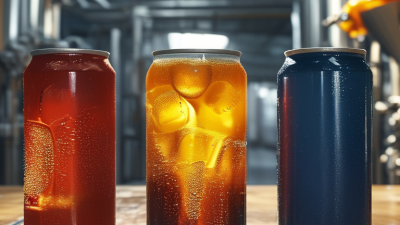
This article explores practical create your own drink concepts for global buyers. It considers flavor trends, format choices, packaging, shelf stability, and responsible formulation. Buyers can compare powdered mixes, ready-to-drink cans, concentrates, and functional water products. Product teams should test sweetness, acidity, texture, and aroma with real consumers. A drink that looks excellent online may taste flat after refrigeration. That happens.
The process also requires careful review of allergens, nutrition claims, additives, and regional food regulations. No formula fits every market. Local preferences can challenge early assumptions. That is useful. It forces better research. Strong ideas combine sensory appeal with manufacturing realism, transparent communication, and measurable quality standards. The best concept is not always the most dramatic one. Often, it is the drink people understand quickly, enjoy comfortably, and choose again.
Map 2026 Demand: Grand View Research Projects 7.1% Functional-Drink CAGR
2026 Best Create Your Own Drink Ideas for Global Buyers
Grand View Research projects a 7.1% CAGR for the functional-drink market through 2026. This forecast signals strong interest in beverages with clear, practical benefits. Global buyers are seeking hydration, energy, relaxation, digestive support, and immune-focused formulations. However, a benefit claim must match reliable evidence and local regulations.
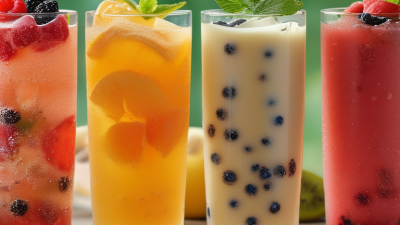
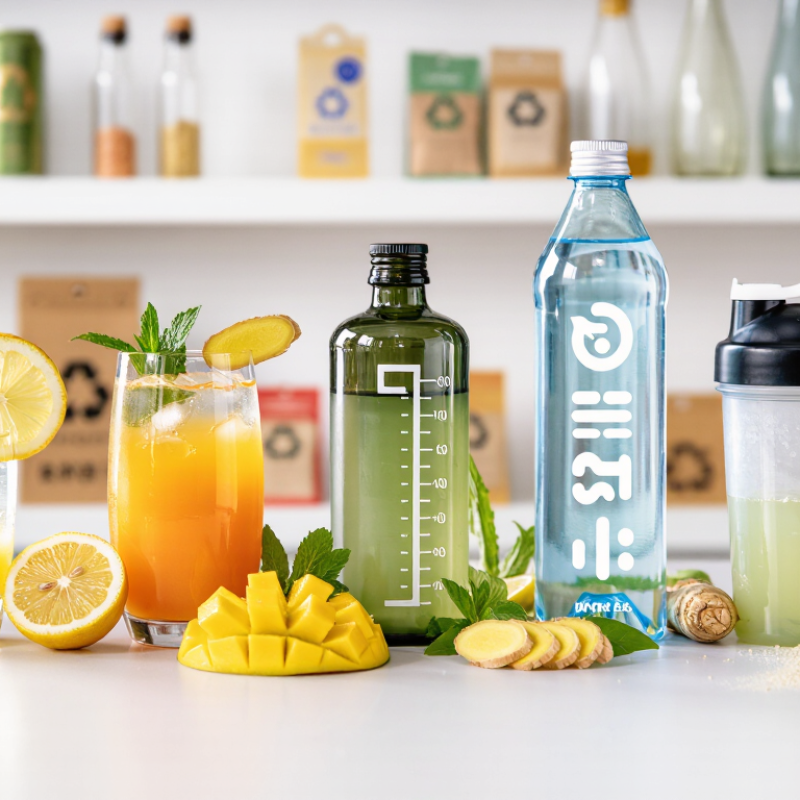
A flexible base can combine filtered water, electrolytes, citrus, and a low-sugar botanical profile. Ginger, hibiscus, green tea, and berry flavors offer familiar yet adaptable sensory notes. For international markets, consider smaller sweetness levels and recognizable ingredients. Consumers may prefer a clean label, but “natural” does not automatically mean safe or effective.
Test the drink in warm, cold, and humid conditions before scaling production. Texture can change after storage. So can flavor. Use documented supplier specifications, stability testing, and measured nutrition data. Packaging should explain the serving purpose without promising medical results. Buyers also need allergen controls, traceability, and country-specific labeling reviews.
A perfect formula rarely survives its first market test. That is useful. Small pilot batches can reveal unexpected bitterness, weak aroma, or poor repeat appeal. I would avoid adding too many active ingredients at once. A simple, transparent recipe may earn more trust than an impressive but confusing formula.
Create Low-/No-Alcohol Recipes for IWSR’s 7% CAGR Through 2027
Create-your-own drinks are moving beyond sugary mocktails.
The IWSR No- and Low-Alcohol Strategic Study forecasts 7% annual growth through 2027.
Global buyers should design recipes for repeatable moderation, not novelty alone. Start with a clear base, such as sparkling water, cold tea, or fermented botanical infusion. Add acidity through citrus, verjuice, or measured food-grade acids. Use herbs, spices, and bitter botanicals for structure.
Keep the recipe practical.
A 250-millilitre serve should taste balanced after refrigeration, transport, and dilution. IWSR data also shows that no-alcohol products are expanding faster than traditional alcohol categories in many markets. This supports lighter recipes with transparent alcohol statements. However, definitions differ between countries. Always verify local labelling, tax, and age-related requirements before selling.
Test with ordinary glassware.
A chilled drink should release aroma before the first sip. A small amount of salt can sharpen citrus notes, but excess salt quickly ruins the finish. The first trial may taste thin. That failure matters. Increase texture with tea tannins, not simply sugar. Measure every ingredient by weight, record serving temperature, and run blind tastings with people from different regions. Sweetness preferences vary widely. A recipe that succeeds in one market may feel flat, sharp, or overly floral elsewhere. Supplier certificates, stability checks, and documented sensory results make the final concept more credible to professional buyers.
Balance Taste and Wellness Under WHO’s 10% Free-Sugar Limit
Creating your own drink can balance pleasure, wellness, and practical global-market needs. WHO recommends keeping free sugars below 10% of daily energy intake, with further benefits below 5%. This is guidance, not a universal legal limit. Local nutrition rules still require careful review.
Start with a measured serving, such as 250 milliliters. Use citrus, berries, mint, ginger, or lightly brewed tea for character. These ingredients can add aroma without depending on heavy sweetness. A small amount of fruit juice may support flavor, but it still contributes free sugar. Check the recipe, not just the ingredient list.
Taste testing often exposes weak assumptions. A drink may seem refreshing when cold, yet taste thin at room temperature. Some buyers may prefer a sharper finish, while others expect gentle sweetness. Test several sugar levels with people from different regions. Record serving size, total sugars, and preparation steps clearly. We once reduced sweetness too quickly, and the result felt medicinal. That mistake mattered. Reformulation should protect enjoyment, not chase a number alone. Use plain language on packaging, and verify every nutrition claim against the destination market’s current requirements.
Localize Flavors and Claims Using Innova Market Insights Trend Data
2026 Best Create Your Own Drink Ideas for Global Buyers
Global buyers want drinks that feel local, but still offer clear commercial value. Trend data can reveal rising preferences for botanical notes, lighter sweetness, fruit acidity, and functional-style positioning. These signals should guide development, not replace local research. A citrus-herb sparkling drink may suit warmer markets, while roasted grain and gentle spice could fit colder regions. Small details matter, including serving temperature, package language, and drinking occasions.
Build each concept around a specific consumer moment. For example, offer a lightly sweetened berry drink for afternoon refreshment, or a ginger-citrus blend for social meals. Test three sweetness levels with local participants. Record flavor acceptance, purchase interest, and comments about aftertaste. Real feedback often challenges the original idea. That is useful.
Claims require careful localization. “Low sugar,” “natural,” and “supports hydration” may need different evidence or wording across countries. Use ingredient facts that can be verified, and ask qualified regulatory reviewers to check every market version. Avoid broad health promises. Trend reports can identify consumer language, but they cannot prove product performance. A transparent ingredient list builds more trust than an impressive slogan.
Create a flexible base recipe, then adjust acidity, aroma, sweetness, and portion size by region. Keep pilot batches small. Some concepts will fail. That failure can prevent expensive launches and reveal what buyers truly value.
Validate Labels, Shelf Life, and Scale with FDA, EU, and Codex Standards
2026 Best Create Your Own Drink Ideas for Global Buyers
Creating a drink for global buyers starts with evidence, not attractive flavor names. A citrus sparkling drink may taste fresh, yet its acidity, sugar level, and botanical ingredients affect safety and labeling. Check pH, water activity, microbial results, and packaging compatibility during pilot production. Small details matter. I have learned that a stable formula can still fail when labels are prepared too late.
For the United States, review FDA requirements for ingredients, allergens, Nutrition Facts, net quantity, and responsible business information. In the European Union, check mandatory allergen emphasis, nutrition declarations, language needs, and the required food business operator details. Codex standards offer a useful international reference, especially for ingredient names, additives, and general labeling principles. They are not a substitute for local legal review. Claims need careful evidence.
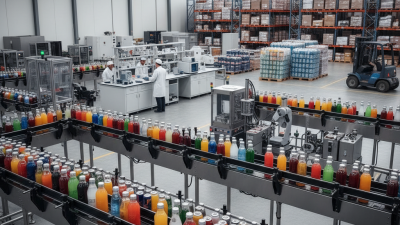
Shelf life should come from documented studies, not a hopeful date. Use real-time testing, and consider accelerated testing only with qualified scientific interpretation. Monitor color, flavor, sediment, carbonation, pH, and microbiological quality. Then test the final container, not only the laboratory sample. For scale, confirm that suppliers can repeat the formula within defined tolerances. A beautiful first batch proves little. Leave room for revision, because transport heat, filling speed, and regional label rules may expose weaknesses before launch.