The 2026 market for natural energy shots is becoming more demanding, not merely larger. Global buyers want compact products that support busy mornings, long drives, and demanding workdays. A 60-milliliter bottle must communicate its value quickly. Ingredients, dosage, sourcing, and taste all matter.
Grand View Research reports continued growth in the global energy drinks market through 2030. However, natural energy shots remain a less consistently defined category. No single international database measures them perfectly. That limitation deserves attention. Innova Market Insights has identified ongoing consumer interest in functional, plant-based, and lower-sugar products. Euromonitor International also highlights wellness, convenience, and transparent labeling as important purchasing influences. These reports suggest opportunity, but they do not guarantee product success.
This guide evaluates natural energy shots through a buyer’s practical lens. It considers caffeine sources such as green tea, coffee fruit, and guarana, while separating marketing language from verified evidence. It also examines sugar content, botanical standardization, allergen controls, shelf stability, packaging, and regional labeling requirements. A clean ingredient list is useful. It is not automatically proof of superior quality.
Reliable suppliers should provide certificates of analysis, contaminant testing, identity verification, and documented manufacturing controls. Buyers should also confirm caffeine declarations for each destination market. Requirements can differ across the European Union, North America, Asia-Pacific, and the Middle East. Taste testing remains essential. A technically impressive shot may still fail if it tastes bitter, separates, or feels too intense.
The best 2026 options will combine credible formulation, clear documentation, responsible claims, and consistent sensory performance. Some rankings will remain subjective. That is unavoidable. Careful comparison is still better than confident guesswork.
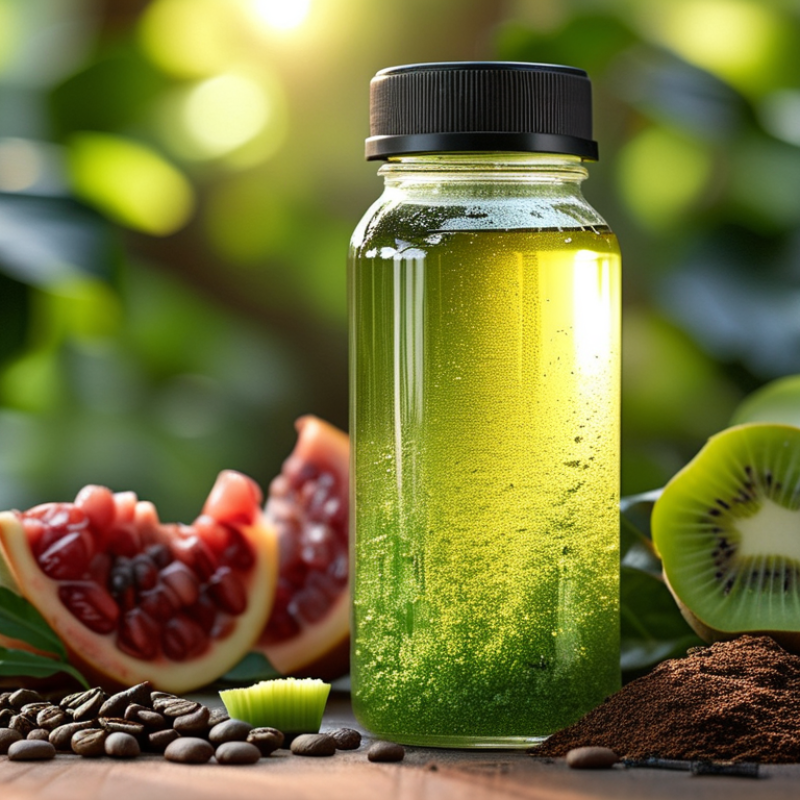
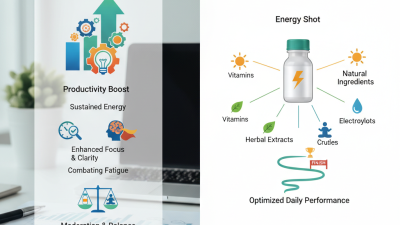
Natural energy shots are small, concentrated drinks designed to support alertness and perceived energy. They commonly contain caffeine from coffee, tea, guarana, or other plant sources. Some also include fruit sugars, B vitamins, electrolytes, and botanical extracts.
The mechanism is simpler than the marketing often suggests. Caffeine mainly blocks adenosine receptors, reducing the feeling of tiredness for a period. It does not replace sleep or create unlimited physical energy. Carbohydrates may provide usable fuel, while fluids support hydration. However, vitamins usually help most when a person has a deficiency. They are not instant energy switches.
Safety depends on dose, serving size, and personal sensitivity. The European Food Safety Authority’s Scientific Opinion on Caffeine, published in 2015, considered single doses up to 200 milligrams generally safe for healthy adults. The U.S. Food and Drug Administration similarly cites 400 milligrams per day as an amount not generally linked with negative effects in most healthy adults. These figures are not universal guarantees. Pregnancy, medication use, heart conditions, and caffeine sensitivity require professional advice.
“Natural” needs careful reading. It may describe an ingredient’s source, not its proven effect or total safety. Global buyers should check caffeine disclosure, botanical standardization, sugar levels, allergens, and local labeling rules. A 60-milliliter bottle can feel harmless. Its caffeine may not be. That detail deserves more attention.

Natural energy shots usually combine a measured caffeine source with supporting ingredients. Green tea extract can provide caffeine and polyphenols, while coffee fruit or yerba mate may create a sharper stimulant profile. Check the actual caffeine amount per serving. “Natural” does not mean risk-free.
B vitamins often appear in these formulas. They support normal energy metabolism, but they do not replace sleep or food. Electrolytes, especially sodium and potassium, may suit active consumers after sweating. Ginger can add a warm taste and may improve product appeal. Some formulas include ginseng or rhodiola, but evidence and permitted claims vary across markets. Keep the language careful.
Read the label closely. Look for standardized botanical extracts, clear serving sizes, allergen statements, and batch testing. A short ingredient list is not automatically better. Some buyers prefer fruit juice concentrates, yet these can raise sugar levels quickly. Low-sugar formulas may use stevia or monk fruit, though aftertaste can affect repeat purchases. That detail matters.
One practical test is simple. Mix the shot with a typical morning routine. Does it feel too bitter, overly sweet, or too stimulating? I once underestimated flavor fatigue during product evaluation. The formula looked impressive on paper, but repeated use exposed a harsh finish. Global buyers should also verify local caffeine limits, labeling rules, import documents, and stability data before selecting a product.
Choosing the best natural energy shot in 2026 requires more than reading “plant-based” on the front label. Compare the actual energy source, serving size, and caffeine amount. Some products use tea, coffee fruit, or other botanical extracts. Their effects can vary by concentration and processing. Check whether the label clearly states active ingredients, calories, sugar, and allergens. A clean-looking package can still hide unclear nutrition details.
Product quality needs evidence. Look for batch numbers, manufacturing dates, traceable sourcing, and testing from qualified independent laboratories. Certificates may support quality, but buyers should verify their scope and validity. Packaging should protect the liquid from heat, light, and leakage during shipping. Confirm shelf life under realistic transport conditions. A product can taste fresh at the factory, then change after weeks in a hot container. This detail is often overlooked.
Tips: Compare three samples using the same checklist. Record taste, energy timing, sweetness, texture, and stomach comfort. Review local rules for caffeine, botanical ingredients, labeling, and permitted claims before importing. Ask suppliers for recent test reports, not old documents. Small mistakes happen. Even experienced buyers may overvalue attractive packaging or confuse “natural” with proven performance. Build decisions around measurable facts, not impressive wording.
| Natural Energy Shot Type | Typical Serving | Caffeine per Serving | Calories | Total Sugars | Main Functional Ingredients | Primary Benefit | Nutrition Profile | Product Quality Indicators | Potential Limitations | Best Buyer Fit |
|---|---|---|---|---|---|---|---|---|---|---|
| Green Tea and Yerba Mate Shot | 50–60 mL | 50–100 mg | 10–40 kcal | 0–8 g | Green tea extract Yerba mate L-theanine optional | Fast, noticeable stimulation with botanical positioning | Usually low fat and low protein; sugar depends on the recipe | Declared caffeine content, standardized botanical extracts, oxidation control, complete ingredient disclosure | Caffeine sensitivity; total daily caffeine intake must be monitored | Retailers seeking a familiar, moderately strong natural energy product |
| Coffee Fruit and Natural Caffeine Shot | 50–60 mL | 80–120 mg | 5–30 kcal | 0–5 g | Coffee fruit extract Natural caffeine B vitamins optional | High-intensity alertness in a compact format | Typically low sugar and low volume; B vitamins do not replace the role of caffeine | Accurate caffeine testing, traceable sourcing, batch consistency, tamper-evident packaging | May be too stimulating for children, pregnant consumers, or caffeine-sensitive users | Travel, convenience, sports, and functional beverage channels |
| Ginseng and Green Tea Shot | 50–60 mL | 30–80 mg | 15–50 kcal | 2–10 g | Panax ginseng Green tea Citrus flavor | Moderate stimulation with an herbal wellness profile | Often contains added juice or sweetener; sodium is generally low | Botanical species and plant part identified, extract ratio disclosed, contaminant testing available | Herbal interactions and variable extract quality require careful formulation control | Wellness-focused buyers preferring a traditional botanical concept |
| Beetroot and Pomegranate Shot | 60–70 mL | 0 mg | 25–60 kcal | 4–12 g | Beetroot concentrate Nitrate-rich vegetables Pomegranate | Non-caffeinated performance and circulation positioning | May provide naturally occurring sugars and potassium; nitrate content should be verified | Quantified nitrate level, protection from light and oxygen, food-safety testing, stable color profile | Not a rapid stimulant; natural color and flavor may vary between batches | Caffeine-free markets, endurance users, and evening-use occasions |
| Ginger, Turmeric, and Citrus Shot | 50–60 mL | 0 mg | 15–45 kcal | 2–10 g | Ginger juice Turmeric Black pepper optional | Refreshing wellness support rather than stimulant energy | Usually low fat and protein; acidity and sweetener level strongly affect taste | Validated pH, microbial control, transparent turmeric specification, tested shelf life | Strong flavor; turmeric and ginger may not suit all consumers or medication profiles | Natural wellness, immunity-positioned, and caffeine-free product categories |
| Coconut Water and Electrolyte Shot | 60–100 mL | 0 mg | 20–50 kcal | 3–10 g | Coconut water Potassium Sodium and magnesium optional | Hydration support; does not provide stimulant energy | May supply potassium and modest carbohydrate; mineral quantities vary considerably | Electrolyte amounts shown per serving, low microbial load, validated filling process, leak-resistant packaging | Not a substitute for caffeine when consumers want alertness; potassium claims require verification | Fitness, outdoor, hot-climate, and hydration-focused buyers |
| Date and Oat Energy Shot | 50–70 g | 0 mg | 100–180 kcal | 12–25 g | Dates Oats Seeds or nut butter optional | Carbohydrate-based fuel rather than stimulant energy | Higher carbohydrate and calorie content; may provide fiber depending on filtration | Allergen controls, water activity testing, texture stability, accurate carbohydrate declaration | Higher sugar and calorie load; shelf life can be sensitive to formulation and packaging | Outdoor activities, long-duration exercise, and meal-replacement-adjacent channels |
For global buyers, “natural” is not a universal legal category. It may describe botanical caffeine, fruit extracts, or minimal processing. However, each market defines acceptable claims differently. Grand View Research valued the global energy drinks market at approximately USD 86.5 billion in 2023, showing why regulators are examining product claims more closely.
Caffeine labeling requires careful calculation. In the European Union, beverages containing more than 150 mg of caffeine per litre need a high-caffeine warning and the caffeine amount per 100 ml. EFSA considers single caffeine doses up to 200 mg safe for most healthy adults, while the FDA cites 400 mg per day as a general adult limit. A 60 ml shot containing 120 mg caffeine can look small, yet its concentration is significant. The label should show caffeine from every source, including guarana, tea, and coffee extracts.
Certification strengthens buyer confidence, but it is not a passport. HACCP or ISO 22000 supports food-safety controls, while organic certification depends on local rules and approved ingredients. Non-GMO, vegan, allergen-free, and clean-label statements also require evidence. The Codex Alimentarius food-labelling framework supports clear ingredient declarations, but national authorities may demand additional wording, languages, or nutrition panels. Exporters should verify each destination before printing packaging. A certificate can expire. A translation can still mislead. Age guidance, pregnancy warnings, lot codes, serving size, and importer details deserve a physical pre-shipment check. Some “natural energy” claims remain vague, and that is where careful buyers should slow down.
2026 Best Natural Energy Shots for Global Buyers?
International buyers should judge suppliers before judging flavor. Grand View Research valued the global energy drinks market at approximately USD 86.4 billion in 2023. This growth attracts capable manufacturers and weak imitators. Ask for a current facility audit, ingredient specifications, allergen controls, and batch-level certificates of analysis. “Natural” is not a universal regulatory definition. Require suppliers to explain every botanical, sweetener, preservative, and extraction method.
Look for documented testing of caffeine, heavy metals, pesticides, microbes, and contaminants. The Codex Alimentarius General Principles of Food Hygiene recommends risk-based controls across food production. ISO 22000 certification can support this review, but it cannot replace an independent audit. Request three recent production records, not one polished sample. Check whether the certificate matches the exact factory and product formula. Small details matter, such as sealed cartons, readable lot codes, and temperature records during shipment.
Supplier experience should include export documentation and market-specific labeling knowledge. A reliable partner can provide stability data, shelf-life evidence, recall procedures, and realistic lead times. The International Trade Centre highlights documentation accuracy as a practical barrier in cross-border food trade. Buyers should also test a pilot shipment before signing a large contract. Start small. One honest weakness may reveal more than a perfect presentation. I would question unusually low prices, because savings can hide weaker testing, unstable ingredients, or poor traceability. Supplier selection is not finished when the contract is signed. It continues with periodic audits, complaint reviews, and random batch testing.
Reference limits to support ingredient, nutrition and compliance checks when evaluating international suppliers
Buyers should compare each supplier’s serving-size declaration and certificate of analysis against these adult daily reference values. Caffeine is shown as a general reference for healthy adults, while added sugar, sodium and vitamin C use U.S. FDA Daily Values. Final purchasing decisions should also verify ingredient origin, laboratory testing, shelf life, allergen controls and destination-market regulations.
Sources: U.S. FDA, “Spilling the Beans: How Much Caffeine is Too Much?” and FDA Daily Value reference information.
TO GET STARTED OR FOR A FREE QUOTE CALL 888.454.3466