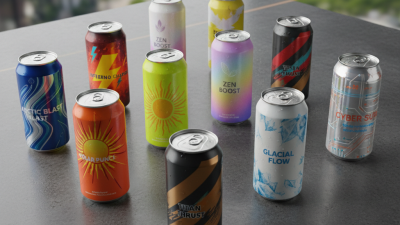
2026 Top White Label Energy Drink Trends for Global Buyers?
The market for white label energy drinks is rapidly evolving. According to a recent report by Mordor Intelligence, the global energy drinks market is projected to reach $84 billion by 2026. White label energy drinks offer retailers a unique opportunity to tap into this growing segment. They allow brands to provide customizable products with lower investment risks.
In 2026, customization will be a major trend. Consumers are increasingly seeking personalized experiences. A study by Grand View Research indicates that 42% of consumers prefer brands that can tailor products to their specific needs. This presents a challenge for brands: how to balance uniqueness with scalability. White label energy drinks allow for this flexibility. However, not all brands capitalize on this potential effectively.
Innovation is crucial. A report by Statista shows that the energy drink market is driven by new flavors and functional ingredients. Brands must stay ahead of consumer preferences. It's essential to not just follow trends, but to create them. As the demand for health-conscious options grows, brands must reflect on their ingredient choices. The key will be to combine cutting-edge developments with consumer insights.
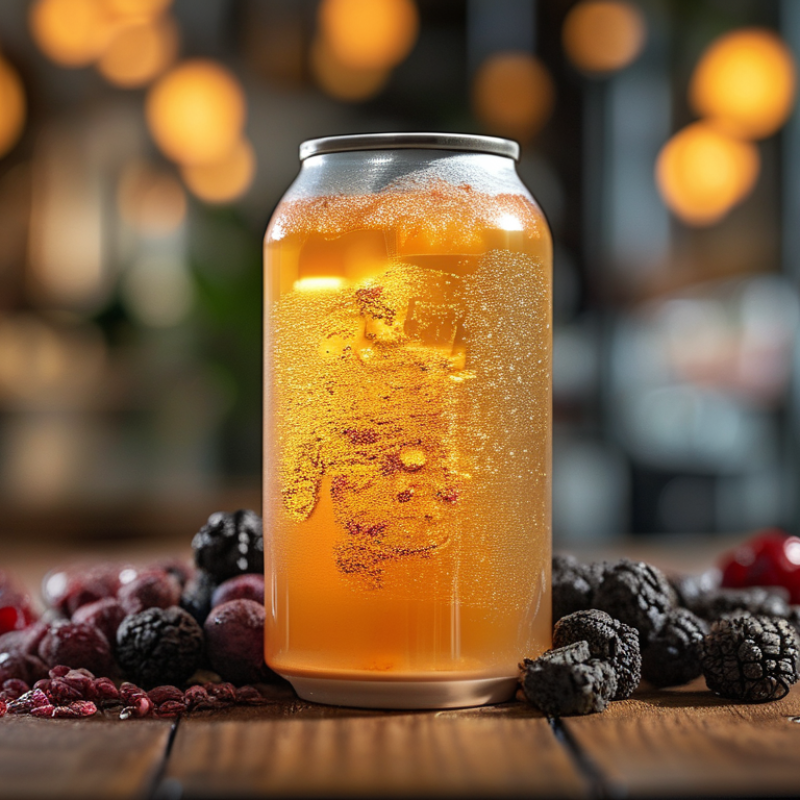
Emerging Flavors in White Label Energy Drinks for 2026
The white label energy drink market is poised for significant evolution by 2026. Emerging flavors are captivating global buyers and altering consumer preferences. According to a research report by Grand View Research, the global energy drink market is expected to reach USD 86 billion by 2026. This growth opens doors for innovative flavors and unique formulations.
Current trends indicate a shift toward natural ingredients and exotic flavor profiles. Tropical fruits like passionfruit and dragon fruit are gaining traction. These flavors not only enhance taste but also appeal to health-conscious consumers. The demand for adaptogenic herbs, such as ashwagandha and maca, is also on the rise. These ingredients are said to reduce stress and boost energy levels.
While the market is flourishing, challenges exist. The blending of new flavors can lead to taste inconsistencies or unexpected pairings. Balancing flavor and functionality is critical. Industry data suggests that 30% of consumers are hesitant to try new flavors that seem too unconventional. Feedback is essential, as brands navigate the delicate balance between innovation and consumer acceptability.
Sustainable Ingredients: Eco-Friendly Trends in Energy Drink Formulations
The energy drink market is shifting towards sustainability, reflecting a growing consumer preference for eco-friendly products. Reports indicate that over 70% of consumers are willing to pay more for sustainable options. This trend is reshaping formulations, with natural ingredients taking center stage. Eco-conscious buyers are seeking brands that prioritize plant-based components, organic extracts, and environmentally responsible packaging.
To meet these demands, manufacturers are exploring alternative sources for energy-boosting ingredients. For instance, adaptogens like ashwagandha and rhodiola are increasingly incorporated into drinks. These herbs not only enhance energy levels but also support mental well-being. Additionally, clean label trends are pushing brands to disclose all ingredients transparently. This movement builds trust and ensures consumers make informed choices.
Tips: Always check ingredient lists. Look for certifications such as organic or fair trade. Consider brands with a robust environmental commitment to ensure your purchase supports sustainable practices.
Balancing taste and sustainability remains a challenge. Some consumers may find that natural flavors do not provide the same punch as artificial additives. Education on these products is essential. Improving consumer awareness can bridge the gap between expectations and experiences. Embracing this shift requires ongoing adaptation from brands and awareness from buyers.
2026 Top Energy Drink Trends: Sustainable Ingredients
Target Demographics: Tailoring Energy Drinks for Different Consumer Segments
The energy drink market is rapidly evolving. Understanding different consumer segments is essential. Each demographic has unique needs and preferences. Tailoring flavors, packaging, and marketing strategies can lead to better engagement.
Younger consumers, for example, prefer bold flavors and vibrant packaging. They are often drawn to products that promise enhanced performance. Meanwhile, older consumers may look for health-conscious options. Low sugar and natural ingredients appeal to this group. Adjusting formulas can create a sense of trust and reliability.
Cultural differences also play a significant role. Certain regions favor specific flavors or ingredients. Localizing offerings can make a brand more relatable. However, brands must avoid assumptions about preferences. Conducting thorough market research is key. Listening to feedback is equally important. A flawed strategy can lead to brand alienation.
Innovative Packaging Solutions for White Label Energy Drinks in 2026
The energy drink market is evolving rapidly, and innovative packaging solutions are key to staying competitive in 2026. Many brands are experimenting with sustainable materials. Biodegradable cartons or refillable bottles are becoming popular choices. This shift reflects consumer demand for eco-friendly options. Packaging must not only protect the product but also tell a compelling story.
Customization is another significant trend. Brands can cater to niche markets by offering unique packaging designs. Eye-catching visuals can draw attention and enhance shelf presence. Moreover, interactive features like QR codes engage customers. This technology provides information about ingredients and sourcing. However, brands must balance creativity with functionality.
Logistics also play a crucial role. Lightweight packaging reduces shipping costs and carbon footprints. Yet, it is essential to ensure that the packaging still maintains product integrity. Some brands struggle to find the right balance between sustainability and durability. As trends evolve, it's vital for companies to adapt and refine their strategies to meet these challenges.
2026 Top White Label Energy Drink Trends for Global Buyers
| Trend |
Description |
Innovative Packaging Solutions |
Market Growth Potential (%) |
Consumer Demographic |
| Natural Ingredients |
Increased demand for clean-label products with natural ingredients. |
Eco-friendly packaging using biodegradable materials. |
35% |
Health-conscious consumers aged 18-35 |
| Functional Benefits |
Focus on energy drinks that provide added health benefits. |
Recyclable packaging designs with informative labeling. |
40% |
Athletes and fitness enthusiasts |
| Sustainability |
Growing concern for environmental impact drives sustainable practices. |
Minimalist packaging that reduces waste. |
30% |
Eco-conscious consumers across all ages |
| Flavor Innovation |
Unique and exotic flavors are becoming more popular. |
Attractive packaging that highlights flavor profiles. |
25% |
Young adults aged 18-24 |
| Personalization |
Customization options for energy drinks are on the rise. |
Interactive packaging that allows consumer engagement. |
20% |
Millennials seeking unique experiences |
Health and Wellness Trends Influencing Energy Drink Development
The energy drink market is shifting, driven significantly by health and wellness trends. More consumers are seeking beverages that not only boost energy but also promote overall health. This shift impacts product formulation and marketing strategies. Natural ingredients, functional additives, and sugar alternatives are becoming essential. Brands that fail to adapt may fall behind in this competitive landscape.
Companies should consider integrating adaptogens and vitamins into their products. These additions can improve mood and support stress management. For example, ashwagandha and B vitamins are gaining popularity for their benefits. However, brands need to communicate these benefits clearly. Misleading claims can damage trust.
Tips: Focus on transparency. Clearly list ingredients and their benefits. Engage with consumers through surveys to understand their preferences better. Remember, the importance of sustainability cannot be overstated. Ethical sourcing of materials enhances brand credibility. As these trends evolve, continuous adaptation will be crucial for success.