
Choosing a China Top L-Carnitine Powder Supplier for Global Buyers requires more than comparing prices. A dependable partner must prove product identity, batch consistency, and transparent manufacturing practices. The right supplier should provide current certificates of analysis, third-party test results, and clear traceability from raw material to finished powder.
L-Carnitine Powder can appear simple: a white, free-flowing material packed in sealed drums. However, small differences matter. Buyers should review purity, moisture, particle size, microbiological limits, heavy metals, and residual solvents. They should also confirm whether the product is L-carnitine base, L-carnitine tartrate, or another permitted form. Each option affects formulation, labeling, stability, and cost.
“L-carnitine is essential for the transport of fatty acids into the mitochondria,” wrote Dr. Paul J. Crayton, a physician and nutrition researcher. This statement explains its importance in nutrition science, but it does not justify exaggerated performance claims. Evidence must guide communication.
Experienced buyers often request a pre-shipment sample, compare it with the approved standard, and inspect packaging before placing larger orders. A supplier may offer polished documents yet provide weak answers about testing frequency or corrective actions. That deserves attention. Sometimes, the cheapest quote hides inconsistent supply, delayed documentation, or limited technical support.
A trustworthy China supplier welcomes reasonable questions. It explains production capacity, quality controls, storage conditions, lead times, and export experience without making unrealistic promises. Global buyers should also verify regulatory requirements in their destination markets. No supplier can replace independent due diligence. Reliable sourcing takes time. That is the part many purchasing teams underestimate.
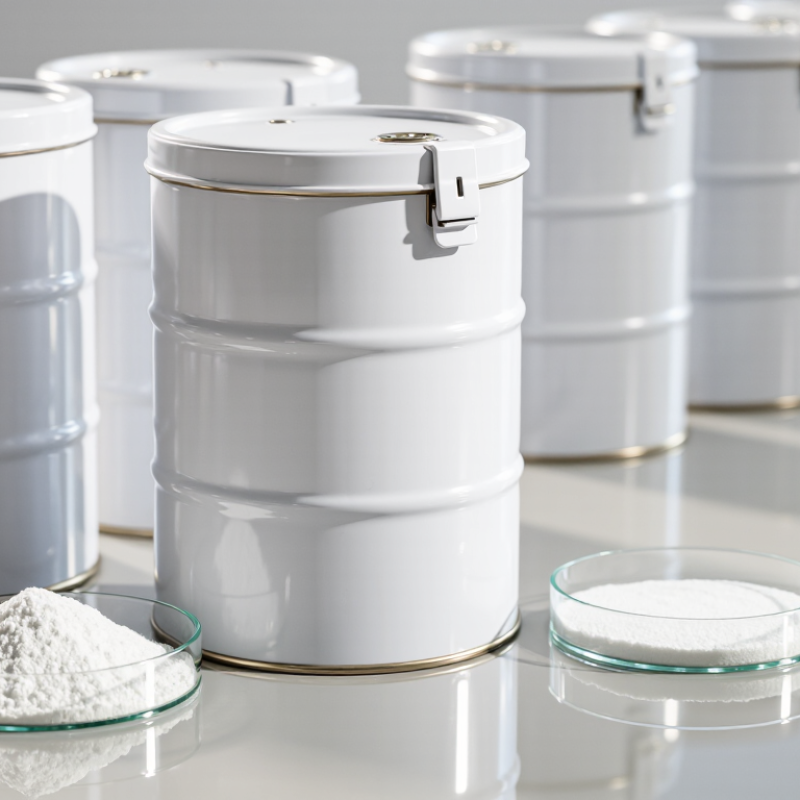
What Is L-Carnitine Powder and How Does It Work?
L-carnitine powder is a concentrated form of a naturally occurring nutrient. The body makes it from lysine and methionine, mainly in the liver and kidneys. It also comes from foods such as meat and dairy products. The NIH Office of Dietary Supplements reports that about 95% of body carnitine is stored in skeletal muscle. There, it helps transport long-chain fatty acids into mitochondria, where cells produce energy. Think of it as a shuttle moving fat-derived fuel through a cellular doorway. The process is real, but it is not a direct fat-burning switch.
Evidence remains uneven. The International Society of Sports Nutrition notes that supplementation may affect carnitine levels, yet performance results vary across studies. Benefits often appear more relevant when baseline carnitine is low or training conditions are demanding. Not everyone responds equally. Powder quality also matters, including identity testing, purity, moisture control, and batch traceability. Reports from third-party testing laboratories commonly evaluate these points through chromatographic analysis, but a certificate alone does not prove every practical benefit. Buyers should examine test methods and sampling dates. That extra review is easy to skip. It should not be. A reliable China-based supplier should provide clear specifications, contaminant testing, and documentation aligned with the destination market’s requirements.
A China-based L-carnitine powder supplier can offer practical advantages for global buyers. China has a mature chemical and nutritional ingredient manufacturing network. This network supports stable raw material access, flexible production volumes, and competitive pricing. Experienced factories often serve different markets and understand varied documentation needs. That experience matters when each shipment requires clear specifications, packaging details, and export records.
Quality should remain the deciding factor. Reliable suppliers can provide a current certificate of analysis, batch number, production date, and test results. Buyers should review identity, purity, moisture, heavy metals, and microbiological data. HPLC testing may help confirm product consistency. Factory audits, third-party inspections, and sample approvals add useful evidence. Do not rely on a polished website alone. Ask specific questions.
Communication also affects supply security. A responsive supplier should explain lead times, minimum order quantities, storage conditions, and transport arrangements. Proper packaging can protect the powder from humidity during long-distance shipping. Some suppliers offer customized labels or technical documents, subject to local requirements. However, no supplier is perfect. Delays can happen, and documents may need correction. A careful buyer should compare samples, verify certifications independently, and confirm compliance with destination-country rules before ordering.
Small checks prevent expensive surprises.
Choosing a China-based L-carnitine powder supplier requires more than comparing prices. Product quality starts with identity, purity, and consistent particle characteristics. Ask for a recent certificate of analysis for each production lot. Review HPLC results, moisture, heavy metals, microbiological limits, and test dates. An independent laboratory report adds useful distance from internal claims. Do not rely on a single attractive sample. Request sealed samples linked to a documented batch number. Then compare them with commercial production. Small differences matter.
Manufacturing control should be visible, not merely promised. Qualified facilities should maintain written procedures for receiving, blending, packaging, cleaning, and deviation handling. Ask how raw materials are approved and how changes are recorded. Traceability should move from finished powder back to the supplier and lot. An on-site or remote audit can reveal storage conditions, calibration records, and staff practices. Photos help, but records matter more. Look for controlled humidity, intact seals, labeled containers, and clear quarantine areas. These details often expose weak systems.
Reliable communication is part of quality. Technical staff should answer specific questions without vague promises. Confirm packaging protection, shelf-life evidence, export documents, and complaint response procedures. Check applicable requirements in the destination market. Do not accept copied paperwork. Every document should match the lot. No checklist is flawless. A careful review should still include retesting before a large order, because assumptions can fail. That extra step costs time, but it protects consistency.
China Top L Carnitine Powder Supplier for Global Buyers?
What Global Buyers Should Know About Customization and Packaging?
Customization starts with a clear product specification, not a colorful pouch. Buyers should confirm L-carnitine assay, moisture, particle size, solubility, odor, and testing methods. A current certificate of analysis should match every batch. It should also show heavy metals, microbiological results, and residual solvents where applicable. In practice, small differences in powder flow can disrupt filling lines. This detail is often underestimated.
Grand View Research reported the global dietary supplements market at about USD 177.5 billion in 2023. Its analysis also identifies growing demand for convenient formats and transparent labeling. This supports flexible packaging choices, including aluminum-lined bags, HDPE drums, sachets, and finished tubs. Packaging should protect the powder from humidity, oxygen, light, and repeated opening. Not every buyer needs the most expensive barrier film. Sometimes, a smaller inner bag inside a sealed carton works better for transport.
Packaging customization also involves language panels, lot coding, shelf-life testing, pallet patterns, and minimum order quantities. The Smithers packaging industry reports repeatedly highlight the importance of lightweight, recyclable, and functional formats. However, sustainability claims need evidence. A recyclable package may still fail local recycling systems. Buyers should request migration data, packaging specifications, and stability records before approval. A sample may look perfect. It can still perform poorly after six weeks at sea.
A practical buyer reference for comparing product specifications, customization options, packaging formats, and export documentation.
| Buyer Evaluation Dimension | Typical Reference Data | Customization or Packaging Consideration | Documents or Checks to Request |
|---|---|---|---|
| Ingredient identity | L-Carnitine base; chemical formula C7H15NO3; molecular weight approximately 161.20 g/mol. | Confirm whether the finished product uses L-carnitine base, L-carnitine tartrate, or another permitted form. | Certificate of Analysis (CoA), specification sheet, identity test, and applicable safety data sheet. |
| Assay and purity | Commercial specifications commonly define assay, water content, residue on ignition, and related substances. The exact limits should be agreed before ordering. | A buyer may request tighter internal limits than the standard product specification, subject to feasibility and testing capability. | Batch-specific CoA, validated analytical methods, and independent laboratory verification for qualification batches. |
| Physical appearance | Typically a white to off-white crystalline powder; the exact appearance depends on the chemical form and processing conditions. | Define acceptable color, odor, visible foreign matter, and powder-flow requirements in the purchase specification. | Approved sample, appearance standard, and incoming inspection procedure. |
| Moisture and hygroscopicity | L-carnitine products can be moisture-sensitive, so water content and storage humidity are important quality variables. | Use moisture-barrier liners, minimize headspace, and specify desiccant use where permitted by the destination market. | Water-content result, packaging integrity test, storage instruction, and transport-condition recommendation. |
| Particle size and flow | Particle-size distribution is application-specific; sports nutrition, capsules, tablets, and premixes may require different flow characteristics. | Request a defined sieve profile or particle-size range rather than using only the term “fine powder.” | Particle-size report, bulk density, tapped density, and pilot filling or blending results. |
| Microbiological quality | Limits commonly cover total aerobic microbial count, total yeast and mold count, and specified pathogens; limits vary by intended use and destination rules. | Food, dietary supplement, and pharmaceutical applications may require different microbiological specifications. | Microbiology report, allergen statement, GMO statement, and contamination-control records. |
| Heavy metals and contaminants | Testing may include lead, arsenic, cadmium, mercury, residual solvents, and other contaminants relevant to the product category. | Set limits according to the importing country, product category, and customer risk-assessment policy. | Third-party test report, contaminant declaration, and method details such as ICP-MS where applicable. |
| Packaging for bulk export | Common formats include sealed inner bags placed in fiber, paper, or plastic drums; pack sizes are normally agreed by purchase order. | Specify net weight, liner material, tamper evidence, palletization, carton markings, and whether recyclable materials are required. | Packaging specification, packing list, photographs of packed goods, and container-loading plan. |
| Retail or private-label packaging | Possible formats include sachets, pouches, tubs, bottles, or stick packs, depending on the finished product and local packaging rules. | Artwork, language, serving size, nutrition panel, barcode, lot coding, and mandatory warnings must be approved before production. | Final artwork proof, packaging-material declaration, print proof, and destination-market label review. |
| Shelf life and storage | Shelf life must be supported by stability data and depends on formulation, packaging, temperature, humidity, and storage conditions. | Use a clearly defined “store cool, dry, and tightly closed” instruction only when supported by the product stability program. | Stability summary, expiry-date policy, retain-sample procedure, and storage-condition statement. |
| Regulatory classification | The regulatory status of L-carnitine differs by country and by use as an ingredient, food supplement, fortified food, or pharmaceutical material. | Confirm permitted dosage, claims, labeling language, import registration, and any notification requirements before shipment. | Regulatory statement, product dossier, certificate of origin, and destination-country compliance review. |
| Quality-management expectations | Buyers commonly assess documented GMP, HACCP, ISO 9001, or other relevant quality systems according to the intended application. | The required certification should match the buyer’s market and product category rather than relying on a generic certificate list. | Current certificates, audit summary, change-control procedure, complaint process, and traceability records. |
| Pre-shipment verification | A documented approval process should cover sample evaluation, specification confirmation, packaging inspection, and batch release. | Agree on the approved sample, inspection level, retention samples, and actions for deviations before the first commercial order. | Final CoA, commercial invoice, packing list, certificate of origin, shipping documents, and inspection report where required. |
Note: The reference values and checkpoints above are general purchasing guidance. Final specifications, labeling, packaging, and regulatory requirements should be confirmed for the intended application and destination market.
Choosing a top L-carnitine powder supplier requires more than comparing prices. Request a batch-specific Certificate of Analysis, not a generic template. It should show identity, assay, moisture, heavy metals, microbiological results, and test methods. Independent laboratory verification adds credibility. FDA’s Current Good Manufacturing Practice rules under 21 CFR Part 111 require proper specifications, testing, records, and quality controls for dietary ingredients. A supplier unable to explain these records deserves caution.
Check compliance before shipment. Confirm whether the destination classifies L-carnitine as a food ingredient, supplement ingredient, or regulated product. Requirements can differ between countries. Review allergen statements, origin documents, packaging details, and lot traceability. Sealed inner bags, desiccant protection, and temperature records matter during long transit. Small details matter.
Shipping reliability is measurable. UNCTAD’s Review of Maritime Transport reports that maritime transport carries over 80% of global merchandise trade by volume, so port delays can affect production schedules. The World Bank’s 2023 Logistics Performance Index collected responses from 4,090 logistics professionals across 139 economies. Ask suppliers for recent delivery records, carrier options, customs experience, and documented claims handling. Do not trust impressive promises alone. I have seen polished certificates hide weak follow-up. That is an uncomfortable point, but useful. Evaluate response speed, corrective-action reports, and whether the same lot information appears on every document. A factory visit or live video audit can reveal storage conditions that paperwork misses.
The theoretical active-carnitine percentage depends on the chemical form. A supplier’s Certificate of Analysis should clearly state the exact form, assay method, identification result, moisture, impurities, batch number, and test date. L-carnitine L-tartrate contains approximately 68.2% L-carnitine by molecular-weight calculation, so it should not be compared directly with 100% L-carnitine base on a like-for-like weight basis.
For compliance and delivery verification, request applicable food or dietary-supplement GMP evidence, SDS and specification documents, export paperwork, packaging details, lot traceability, and shipment records. Confirm that the commercial invoice, packing list, COA, and shipping documents use the same product name, quantity, lot number, and consignee information.
TO GET STARTED OR FOR A FREE QUOTE CALL 888.454.3466