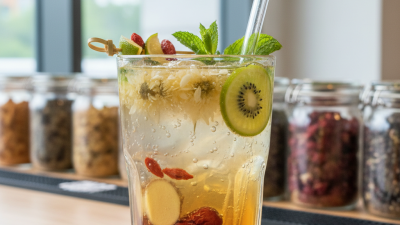
Create your own drink is changing how consumers approach beverage choice. Instead of selecting a fixed bottle, users can adjust flavors, sweetness, acidity, color, carbonation, and functional ingredients. A touchscreen may offer mango, lime, ginger, or berry options. The final drink appears within seconds, often mixed from measured concentrates and filtered water.
Market data supports this shift toward personalization. Grand View Research valued the global functional beverages market at approximately $243.36 billion in 2023. Its report also identifies wellness, convenience, and product innovation as major growth drivers. Innova Market Insights has similarly highlighted personalized nutrition as an important food and beverage trend. These findings suggest that customization is not only entertainment. It can reflect dietary preferences, taste sensitivity, and changing health priorities.
Howard Telford, a former head of soft drinks research at Euromonitor International, said, “Health and wellness is driving innovation in soft drinks.” His observation helps explain why create your own drink platforms increasingly display sugar, calorie, caffeine, and ingredient information. That transparency matters. It builds trust, but it does not guarantee a perfect choice. A low-sugar recipe can still taste unbalanced. A colorful drink may contain limited nutritional value. The system needs reliable measurements, clear labeling, and responsible claims. It also needs better consideration for allergies and cultural taste preferences. The concept is promising, though still imperfect. Understanding how it works requires looking beyond the colorful interface.
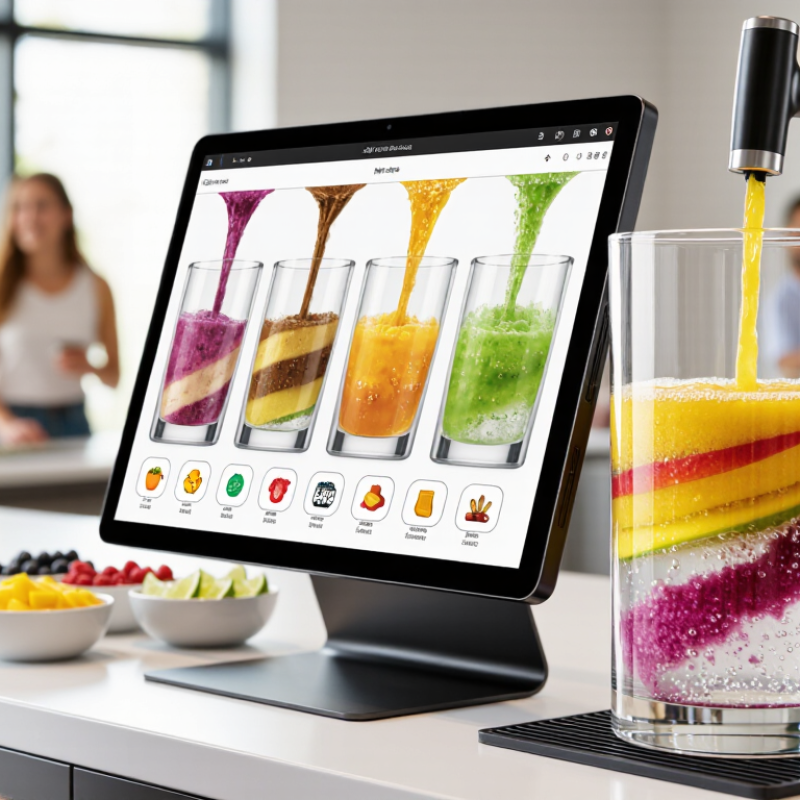
Create Your Own Drink means choosing a beverage’s ingredients, flavor, texture, and serving size yourself. Instead of selecting one fixed recipe, you build a drink from available options. These may include a base, fruit, herbs, sweeteners, ice, and sparkling water. The process gives customers more control over taste and dietary preferences. It also turns an ordinary order into a small creative experience.
The system usually follows a simple structure. You choose the base first, such as tea, juice, milk, or carbonated water. Then, you add flavors and adjust sweetness. A practical approach is to start with less syrup and add more gradually. Ice changes both temperature and strength, so the final amount matters. Clear ingredient information also helps people avoid allergens and make informed choices.
A useful combination should balance sweetness, acidity, aroma, and texture. For example, citrus can brighten a rich base, while fresh herbs add a sharper scent. However, not every mixture works well. I have found that adding too many flavors can make the drink muddy and difficult to judge. Testing one change at a time produces more reliable results. Staff training, accurate measurements, and clean preparation also influence the final quality. Create Your Own Drink is therefore both a personalization tool and a practical lesson in flavor balance.
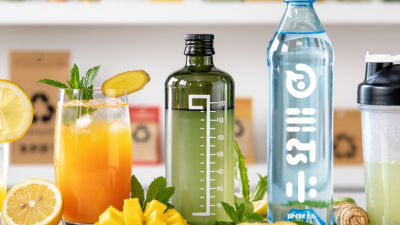
Create Your Own Drink is a guided way to design a beverage around your taste, occasion, and dietary needs. The process usually begins with a base, such as water, tea, milk, or a fruit infusion. A balanced drink needs more than sweetness. It also needs acidity, aroma, texture, and dilution.
I usually test a small portion before preparing a full glass. Start with the base, then add a modest amount of sweetener. Citrus, berries, herbs, spices, and floral ingredients can change the drink quickly. Ice also matters because it melts and softens strong flavors. For a smoother texture, choose yogurt, blended fruit, or a light syrup. Check ingredient labels carefully, especially for allergens, added sugar, and caffeine.
Small changes can create surprisingly different results. Try lemon with cucumber for a crisp profile, or apple with cinnamon for a warmer flavor. Some people prefer a sharp finish, while others want a soft, creamy mouthfeel. Keep simple notes about each measurement. I once added too much ginger and lost the fruit flavor completely. That mistake showed me why gradual adjustments work better. Taste after every change. It takes longer, but the final drink feels more personal. Temperature, glass size, and serving time can also affect the experience.
A create-your-own drink is a beverage assembled from a base, flavoring, sweetener, optional additions, and ice. Customers choose the components and proportions to match their preferred taste, dietary needs, and serving size. Nutrition values below are approximate and vary according to the exact ingredients and quantities selected.
| Drink Component | Typical Serving | Approx. Calories | Approx. Sugar | Purpose in the Drink | Common Customization Choices |
|---|---|---|---|---|---|
| Water or Sparkling Water | 240 ml / 8 fl oz | 0 | 0 g | Provides a neutral or carbonated liquid base. | Still, lightly sparkling, or fully sparkling. |
| Milk or Plant-Based Milk | 240 ml / 8 fl oz | 80–150 | 0–12 g | Creates a creamy texture and adds protein or other nutrients. | Dairy, soy, oat, almond, or coconut beverage; regular or reduced-fat. |
| Tea or Coffee Base | 180–240 ml / 6–8 fl oz | 0–10 | 0 g | Adds flavor, aroma, and, depending on the type, caffeine. | Black tea, green tea, herbal tea, brewed coffee, or decaffeinated coffee. |
| Fruit Juice or Puree | 30–120 ml / 1–4 fl oz | 15–80 | 3–18 g | Provides natural fruit flavor, color, acidity, and sweetness. | Citrus, berry, tropical, apple, or stone-fruit profiles; juice or pulp. |
| Sweetener | 0–15 ml / 0–1 tbsp | 0–60 | 0–15 g | Balances bitterness or acidity and controls the final sweetness. | None, sugar, honey, syrup, or a low-calorie sweetener. |
| Acid or Citrus | 5–30 ml / 1–2 tbsp | 1–10 | 0–2 g | Adds brightness and helps balance sweetness. | Lemon juice, lime juice, orange juice, or a small amount of vinegar. |
| Herbs, Spices, or Botanicals | 0.5–5 g | 0–10 | 0–1 g | Adds aroma and complexity with minimal calories. | Mint, basil, ginger, cinnamon, cardamom, or rosemary. |
| Ice | 100–200 g | 0 | 0 g | Chills the drink and can dilute strong flavors as it melts. | No ice, light ice, regular ice, crushed ice, or large cubes. |
| Optional Nutrition Additions | 5–30 g | 10–120 | 0–8 g | Adds body, fiber, protein, or electrolytes. | Yogurt, oats, chia seeds, protein powder, or electrolyte powder. |
| Decision Stage | Available Choices | Practical Effect |
|---|---|---|
| 1. Select the Serving Size | 240 ml, 350 ml, or 470 ml | A larger serving generally requires more base, flavor, and ice. |
| 2. Choose the Base | Water, sparkling water, milk, tea, coffee, or a blended base | Determines the drink’s texture, body, and primary flavor. |
| 3. Add Flavor | Fruit, juice, puree, herbs, spices, or unsweetened flavor infusions | Creates the main taste profile and affects color and aroma. |
| 4. Adjust Sweetness | No sweetener, low sweetness, standard sweetness, or extra sweetness | Controls sugar and calorie content while balancing acidity or bitterness. |
| 5. Adjust Temperature and Texture | No ice, regular ice, crushed ice, blended ice, or warm preparation | Changes cooling, dilution, thickness, and drinking experience. |
| 6. Check Dietary Preferences | Dairy-free, caffeine-free, reduced-sugar, vegan, or allergen-aware | Helps select suitable ingredients and avoid unwanted allergens or stimulants. |
| 7. Mix and Taste | Shake, stir, blend, or layer the ingredients | Allows final adjustments to sweetness, acidity, strength, and consistency. |
Nutrition note: Values are general estimates for common portions. Packaged ingredients, added sweeteners, milk choices, and serving size can significantly change the final nutrition profile.
Creating your own drink means combining familiar ingredients into a balanced, personal recipe. The process becomes easier when each step has a clear purpose. Start with a clean glass, measuring spoon, and fresh ingredients. Choose a main liquid, such as chilled water, milk, tea, or juice. Add one flavor that leads, like citrus, berries, ginger, or mint. A simple ratio helps: three parts liquid, one part flavor, and a small amount of sweetness.
Measure everything instead of guessing. This prevents one ingredient from overpowering the drink. Then add sweetness gradually, using syrup, fruit, or another suitable option. Ice changes both temperature and strength. Add it after mixing, then stir for about ten seconds. Taste carefully.
Too sharp? Add more liquid. Too sweet? Add citrus or unsweetened tea. Too flat? A pinch of salt may brighten the flavor, but use very little.
Texture matters as much as taste. Blend soft fruit for a smooth drink, or leave small pieces for a more natural feel. Use food-safe ingredients and keep fresh items refrigerated. Wash produce before cutting it, especially when using peel or herbs. I often adjust a recipe twice before it feels right. My first version is rarely perfect. That small failure gives useful information. Write down each measurement, including the ice, because memory becomes unreliable. A clear glass can also reveal separation, cloudiness, or an unattractive color before serving.
Creating your own drink means controlling each ingredient, measurement, and mixing action. A reliable setup needs a measuring jug, kitchen scale, spoon, strainer, and ice. Use millilitres for liquids and grams for syrups, fruit, or powders. A simple starting ratio is two parts base, one part acid, and one part sweetener. Adjust it gradually. Measure twice. Taste carefully.
Mixing methods change the final texture. Stirring keeps a drink clear and gentle. Shaking adds air, chills faster, and blends thicker ingredients. Building means adding ingredients directly into the serving glass. For a fresh citrus drink, shake with ice for 10–12 seconds, then strain over new ice.
The IWSR Drinks Market Analysis reported 7% volume growth for no-alcohol drinks across ten leading markets in 2023. That growth reflects wider interest in carefully made, alcohol-free options. However, market data does not guarantee a perfect homemade recipe. Personal taste still matters.
Tips: Chill the glass first. Use filtered water for ice. Add sweetener in five-gram steps. Taste before adding more acid.
My early attempts were often too sweet, especially when fruit already contained plenty of sugar. That mistake taught me to record every measurement. Keep a small recipe log with ingredient weight, ice amount, shaking time, and tasting notes. If the drink feels flat, add acidity or dilution slowly. If it feels harsh, rest it for one minute before changing the formula.
Creating your own drink means building flavor through controlled experiments. I begin with a small 100-milliliter sample, not a full glass. This limits waste and makes each change easier to measure. I record the liquid base, sweetener, acidity, dilution, temperature, and serving time. A simple scale and tasting sheet improve consistency.
My first test is often too sweet. That mistake is useful. I reduce the sweetener by 10%, then add acidity in 0.5-milliliter steps. Water can soften harsh flavors, but too much creates a thin texture. I also test the drink after five minutes, because aromas and sweetness can shift. Sensory research supports this careful approach. The International Organization for Standardization recommends controlled conditions for sensory evaluation, including consistent serving temperature and coded samples.
Consumer data also supports testing lighter profiles. The IWSR’s 2024 No- and Low-Alcohol Strategic Study projects continued volume growth for no- and low-alcohol drinks through 2028 across major markets. This suggests that balance, aroma, and mouthfeel deserve attention beyond sweetness. Still, one report cannot predict every person’s preference.
For finalization, I prepare three identical samples and compare them blind. I check aroma first, then flavor, texture, and finish. If two tasters disagree, I do not force a decision. I repeat the test the next day. The final recipe should include exact measurements, preparation time, storage guidance, and a clear serving size. Small imperfections remain, but they should be understood rather than hidden.
TO GET STARTED OR FOR A FREE QUOTE CALL 888.454.3466