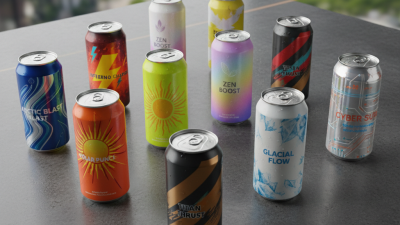
Top 10 Low Sugar Energy Drinks for Healthy Energy Boosts?
In today’s fast-paced world, many seek quick energy solutions without added sugars. The demand for low sugar energy drinks is growing. These drinks provide a healthier alternative for energy boosts. Low sugar energy drinks not only offer vitality but also support better health choices.
Many individuals experience the crash associated with sugary drinks. Low sugar options help avoid this pitfall. They contain essential ingredients for lasting energy. These drinks use natural flavors and sweeteners, prioritizing health without sacrificing taste. Brands are stepping up by formulating beverages focused on low sugar content.
However, not all low sugar energy drinks are equally effective. Some may lack flavor or the desired kick. Consumers should evaluate ingredients and energy levels before choosing. This guide reviews ten standout options, ensuring your energy boost aligns with healthy habits. The right selection helps navigate choices more mindfully.

Top 10 Low Sugar Energy Drinks: A Comprehensive Overview
Energy drinks are popular for quick boosts. However, many are loaded with sugar, which can lead to health issues. A recent report from the Beverage Marketing Corporation highlights that nearly 75% of energy drink consumers seek low-sugar options. This shift reflects a growing awareness of sugar's negative effects on health.
Low sugar energy drinks often incorporate natural sweeteners. For example, erythritol and stevia provide sweetness without the calories. A study in the Journal of the American Heart Association notes that reducing sugar intake can lower the risk of heart disease. Furthermore, data from the USDA suggests high sugar consumption is linked to obesity and diabetes. Choosing low-sugar alternatives may mitigate these risks while providing necessary energy.
Despite the benefits, not all low-sugar energy drinks are created equal. Some may use artificial flavors or additives, which can raise concerns. Consumers should check ingredient lists carefully. Transparency in product labeling is vital. Ensuring the drink contains essential vitamins and minerals can enhance its health benefits. While low-sugar options are promising, moderation remains essential for overall health. Balancing energy needs with nutritional values is crucial in selecting the right drink.
Nutritional Analysis: Understanding Sugar Content in Energy Drinks
When considering energy drinks, sugar content is crucial. Many drinks on the market are packed with sugar, leading to spikes in energy followed by crashes. Understanding nutritional labels helps consumers make informed choices. Many low-sugar options are available, but they can still provide a boost without the excessive sweetness. An energy drink with less than 5 grams of sugar per serving is often a healthier choice.
Natural sweeteners such as stevia or erythritol can enhance flavor without adding sugar. Reviewing ingredients is essential. Some low-sugar drinks may have high caffeine levels, which can cause jitters or anxiety. It's important to balance caffeine intake with hydration. Also, not all low-sugar drinks are created equal; some may incorporate artificial flavors or preservatives.
Many consumers overlook the importance of electrolytes and vitamins in energy drinks. When energy drinks focus solely on sugar reduction, they may neglect other essential nutrients. It's worth reflecting on whether a drink provides the desired energy without compromising overall health. Balancing flavor, sugar content, and nutritional value is key to finding the right choice.
Top 10 Low Sugar Energy Drinks for Healthy Energy Boosts
The Role of Caffeine: How Low Sugar Options Maintain Energy Levels
When it comes to low sugar energy drinks, caffeine plays a crucial role. Caffeine stimulates the central nervous system, enhancing alertness and focus. This effect can provide a much-needed boost during long days or intense workouts. Low sugar options can offer this energy without the crash associated with high sugar drinks.
However, individuals may react differently to caffeine. Some might experience jitters or anxiety, especially with higher doses. Striking the right balance is essential for effectiveness. Finding a drink that offers just enough caffeine can help maintain a steady energy level throughout the day.
Moreover, consider the overall ingredients in these drinks. Natural sources such as green tea or yerba mate may enhance benefits while promoting health. It’s also wise to be cautious. Consuming too much caffeine, even from low sugar beverages, can disrupt sleep patterns. Always pay attention to how your body responds. Adjust your intake accordingly, and listen to your own needs for energy and well-being.
Health Benefits: Low Sugar Energy Drinks vs. Traditional Options
When it comes to energy drinks, choosing lower sugar options can significantly impact your health. Traditional energy drinks often contain high sugar levels. This excess sugar can lead to spikes in blood glucose and may increase cravings. For those aware of these effects, low sugar energy drinks provide a smarter alternative.
Low sugar options often leverage natural ingredients for energy. These drinks typically use caffeine from coffee or green tea. Natural sources can provide sustained energy without the crash associated with sugary options. Ingredients like electrolytes can also enhance hydration, improving overall performance.
Mindfulness in choosing an energy drink can be critical. It's not just about the taste; the impact on your body should guide your choice. Some low sugar drinks may still contain artificial sweeteners. Consumers need to be aware and choose wisely. Understanding your own body's response to different ingredients can help you find the most effective drink for your needs.
Market Trends: The Growing Demand for Healthier Energy Alternatives
The demand for healthier energy alternatives is reshaping the energy drink market. Consumers are increasingly conscious of what they put into their bodies. Many people are looking for options that provide a boost without excessive sugar. This shift highlights the need for products that prioritize well-being over quick energy fixes.
Incorporating high-quality ingredients is crucial for brands aiming to meet these evolving preferences. Natural sources of caffeine, vitamins, and electrolytes can enhance energy without unwanted sugar spikes. Yet, some products still fall short, either lacking flavor or providing insufficient energy. It's essential for consumers to pay attention to nutrition labels and ingredient lists.
The push for transparency is a vital trend. Customers want to understand what they are consuming. Brands that embrace clean, transparent formulations are often more successful. This desire for clarity sometimes clashes with traditional marketing tactics. Striking a balance between appealing aesthetics and genuine health benefits is not easy. However, addressing this challenge can lead to more satisfying and informed choices for consumers.