Why Choose Private Label Sparkling Water for Your Brand?

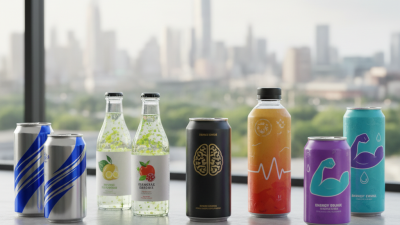
Sparkling water may look like a simple product: clear liquid, fine bubbles, and a clean label. Building a dependable brand around it takes more thought. With private label sparkling water, a business can shape the product’s flavor, packaging, and presentation around its customers. A slim can on a café counter sends a different signal than a glass bottle in a hotel minibar. Those small choices affect how shoppers understand the brand.

The opportunity is real. So are the trade-offs. Before choosing a supplier, review sample quality, carbonation consistency, ingredient details, packaging options, production timelines, and minimum order quantities. Ask how quality checks are documented, and compare written specifications rather than relying on a polished sales sample. Taste the water after it has been stored as intended; bubbles and flavor can feel different over time. The details matter.

A distinctive label alone cannot guarantee repeat purchases. Price, availability, and a consistent drinking experience count too. Not quite a shortcut. For a smaller brand, the right production partner may make a launch more manageable, but the fit depends on budget, capacity, and customer expectations. It is worth questioning assumptions early. A flavor that sounds appealing in a meeting may not suit everyday use, and attractive packaging may raise costs without improving the product. A practical decision starts with clear priorities, careful sampling, and honest comparison.
Why Choose Private Label Sparkling Water for Your Brand?

What Private Label Sparkling Water Is and How It Is Made

Private label sparkling water is made by a beverage producer for a business that sells it under its own brand. The seller can often choose the water source, carbonation level, flavor, container, and label design. The manufacturer manages production, while the brand owner sets the product brief and reviews samples. Details vary by facility.

Production starts with water that is tested and treated to meet the product’s specifications. Filtration may reduce unwanted particles or odors, while mineral content can be adjusted to shape the taste. The water is chilled before food-grade carbon dioxide is added under controlled pressure. Then it is filled into cans or bottles, sealed, coded, and checked for fill level, packaging integrity, and consistency. Small differences matter. A soft hiss and fine bubbles feel different from a sharp, fast fizz.

Flavored versions may use natural flavors or other permitted ingredients, depending on the recipe and market. Samples should be assessed after carbonation, not just as still water, because bubbles can change how sweetness and acidity come across. Shelf-life testing and routine quality checks help identify changes in flavor or carbonation over time. There is no single ideal bubble. A target can sound clear on paper and still feel too aggressive in a glass, so honest tasting and careful revisions are part of development.
Why Choose Private Label Sparkling Water?

What It Is and How It Is Made

Private label sparkling water is produced by a beverage manufacturer to a retailer’s or brand owner’s specifications and sold under that customer’s label. The process typically includes treating and chilling the water, adding carbon dioxide under pressure, filling and sealing containers, and applying the customer’s packaging.

How to read the chart: Carbonation is expressed in “volumes” of CO₂—the volume of gas at 0°C and 1 atmosphere corresponding to one volume of water. The bars show estimated CO₂ mass per liter, calculated using a molar gas volume of 22.414 L/mol. These are illustrative settings, not a universal product specification; brands can select a carbonation level and packaging with their manufacturer.

How It Helps Brands Build a Distinct Market Position

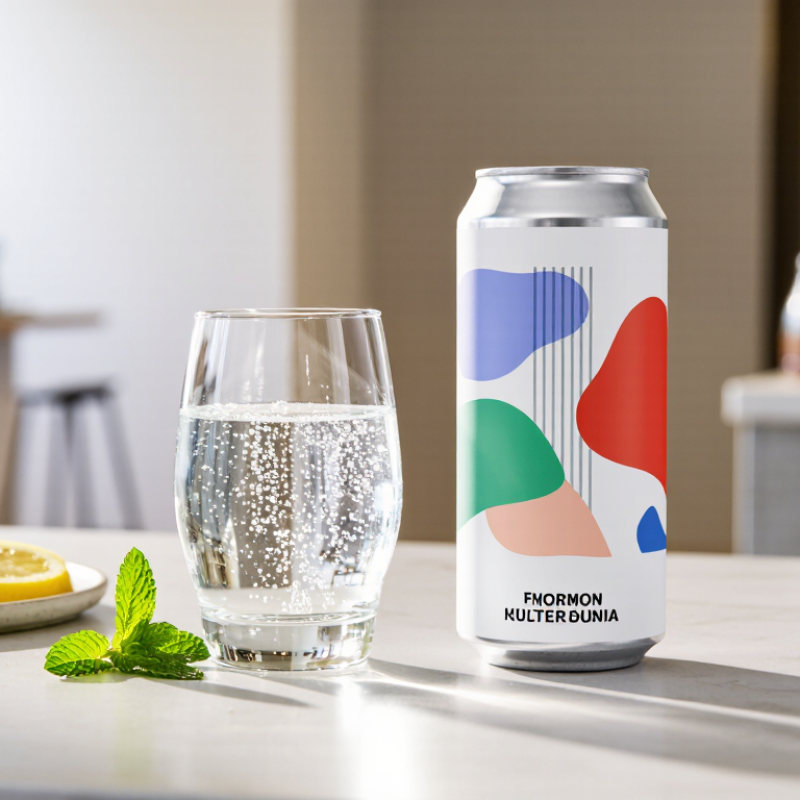
Private-label sparkling water lets a business shape a product around a specific audience, rather than compete on price alone. A crisp can, a restrained color palette, and a clear flavor name can signal premium, playful, or everyday value. The details matter.

Grand View Research estimated the global sparkling water market at USD 35.6 billion in 2023 and projected a 12.6% compound annual growth rate from 2024 to 2030. These are market estimates, not a guarantee of sales. Still, they point to a category where a distinctive offer may help a product stand out.

A strong position starts with choices customers can recognize: mineral profile, carbonation level, can size, and flavor range. For example, a lightly flavored option in a slim can may suit a lunch cooler, while a plain, highly carbonated version may fit a dinner setting. Private-label production can help align these choices with a retailer’s audience and price point. But differentiation can become confusing if every flavor, claim, and package tells a different story. Keep the promise clear, and verify product and packaging claims with qualified suppliers.

Tips: Test two or three flavors with a small customer group. Ask which can they would pick from a crowded shelf, and why. Record the answers. A neat design is not always a memorable one.

Key Choices in Flavor, Packaging, and Product Design

Private label sparkling water lets a brand shape flavor, packaging, and product design around its customers. Grand View Research estimated the global sparkling water market at USD 29.71 billion in 2023, with projected growth through 2030. That signals opportunity, not guaranteed demand. Test small batches before committing to a full production run. A crisp lime profile may suit lunch occasions, while mild berry notes can work better as an afternoon drink. Carbonation matters too: sharp bubbles feel lively, but softer fizz may pair more easily with food.

Packaging sets expectations before the first sip. NielsenIQ’s 2023 Sustainability Report found that 78% of consumers consider a sustainable lifestyle important. Consider this alongside cost, product protection, and local recycling access. A slim can feels convenient in a chilled hand; a clear bottle shows the bubbles, but may offer less light protection. Keep the label legible, with flavor and carbonation level easy to spot. Too many design claims can make a simple drink feel confusing.

Tips: Compare two or three flavor samples at the same temperature and carbonation level. Ask tasters what they would buy again, not only what they enjoyed. Check packaging specifications and recyclability claims with suppliers. Small details matter. And a polished mock-up can still disappoint once it is cold, wet, and handled.

How to Select a Manufacturer and Plan Production

Choosing a manufacturer starts with questions you can verify. Ask where the water comes from, how its mineral profile is controlled, and what tests are performed before filling. Request recent quality records and clear product specifications. A sample should taste consistent after opening, not just straight from the line. Small details matter.

Discuss production limits before approving a formula. Minimum order quantities, can or bottle availability, and line changeovers affect cost and timing. Ask for a pilot run, then check carbonation, fill level, seam or cap quality, and printed packaging. Keep approved samples for comparison with later batches. A small test run may feel slow, but it can reveal issues before a larger order.

Build a schedule around real lead times for ingredients, packaging, testing, and freight. Confirm who handles specification changes and how production records are shared. Leave room for delays; a neat spreadsheet rarely reflects every supplier’s actual timing. I would not assume that a factory’s usual process fits your product exactly. Ask what happens when a batch falls outside the agreed specification, and get the answer in writing.

Why Choose Private Label Sparkling Water for Your Brand? - How to Select a Manufacturer and Plan Production
Planning Dimension What to Evaluate Practical Planning Guidance Why It Matters
Private-label fit Available formulation, packaging, labeling, and production services Confirm which parts of the product the manufacturer can customize and which are standard options. Using established production capabilities can simplify development, while clear customization limits help set realistic expectations.
Manufacturer qualifications Food-safety program, facility controls, traceability, and audit documentation Review current certifications or audit reports, verify their scope and validity, and ask how lots are traced and product issues handled. Documents and facility procedures help assess whether the production system suits the product and sales markets.
Water source and treatment Source documentation, treatment process, and routine water testing Request recent test results and ask how the facility monitors water quality and manages changes to the source or treatment. Water quality is central to a consistent beverage, and treatment can affect mineral profile and taste.
Product specification Ingredient statement, mineral profile, carbonation level, and sensory target Agree on a written specification and approve bench or production samples before confirming a commercial run. A documented target gives both parties a reference for consistency across batches.
Packaging format Can, glass bottle, or plastic bottle; size, closure, label, and case configuration Compare format availability, compatibility with the filling line, packaging minimums, shipping weight, and recyclability information. Packaging affects production setup, transport, storage, product presentation, and total unit cost.
Minimum order and cost Minimum order quantity, setup charges, packaging commitments, and price breaks Request a written quote for multiple order quantities and identify charges for artwork, tooling, testing, storage, and freight. Minimums and one-time costs vary by facility, package, and materials; a complete quote supports a more reliable budget.
Quality checks Microbiological controls, fill volume, carbonation, package integrity, and lot coding Ask for the sampling plan, release criteria, certificate-of-analysis availability, and procedures for nonconforming product. Defined checks help verify the finished product and support traceability and consistent quality.
Label and market requirements Ingredient and nutrition information, net contents, claims, and required local declarations Have the final artwork and claims reviewed for every intended sales market before labels are printed. Label rules differ by market, and unsupported claims or missing declarations can delay a launch.
Production schedule Material availability, artwork approval, production slot, testing, and shipping Build a milestone schedule with the manufacturer and confirm lead times after packaging and artwork are approved. Production timing depends on capacity, materials, order size, and logistics; early coordination reduces avoidable delays.
Launch and replenishment plan Forecast, safety stock, storage conditions, and reorder point Estimate demand by sales channel, confirm storage and handling guidance, and set a reorder trigger based on actual lead time. A measured replenishment plan can help balance stock availability with inventory and storage costs.
Planning note: Minimums, pricing, testing procedures, and lead times are facility- and order-specific. Confirm all specifications, costs, label requirements, and production dates directly with the selected manufacturer before placing an order.

Factors to Assess Before Launching a Private Label Line

Before launching a private-label sparkling water line, define who will buy it and where they will drink it. A slim can for a gym bag serves a different need than a glass bottle for a restaurant table. Set a target price, package size, and expected order volume early. These choices shape production costs and supplier options.

Taste needs careful assessment. Compare water sources, mineral profiles, and carbonation levels through blind tastings, then test the product cold and at room temperature. Small differences matter. Ask potential suppliers for ingredient specifications, quality-control procedures, shelf-life data, and sample batches. A polished sample is useful, but repeatable production matters more.

Check packaging strength, storage requirements, minimum order quantities, and lead times before committing. Ask how damaged shipments or production delays are handled, and request written estimates for each cost. A small pilot order can reveal issues with can opening, label readability, or carbonation after storage. It may feel slower than launching at full scale. Still, rushing this step can leave a business with stock customers do not want. I would not treat a good first tasting as proof; real customer feedback may change the plan.