Global buyers are looking for energy drinks that work in real markets, not just attractive cans. China’s beverage industry offers a wide range of formulas, formats, and private-label options. This guide explores ten leading energy drinks from Chinese manufacturers and evaluates their practical value for importers, distributors, and retailers.
The selection considers caffeine transparency, ingredient consistency, flavor stability, packaging quality, shelf life, and production capability. It also reviews certifications, laboratory documentation, minimum order quantities, and export experience. Details matter. A 250-milliliter can may suit convenience stores, while a larger bottle may fit gyms or outdoor channels. Buyers should compare sugar levels, serving sizes, labeling languages, and carton protection before placing an order.
Performance claims require caution. “Energy” does not mean every formula suits every consumer or country. Importers must verify caffeine limits, permitted ingredients, nutrition declarations, claims, and recycling rules in each destination market. Supplier audits and independent testing can reduce avoidable risks, although they cannot remove every uncertainty. That point is easy to overlook.
The ranking reflects commercial usefulness rather than a universal scientific judgment. Some products may perform well because of strong flavor acceptance, while others stand out through flexible customization or reliable delivery. A promising sample can still fail after long storage or transport. Buyers should request recent test reports, production samples, and clear contract terms. This approach helps identify energy drinks that work across different channels without overstating what the evidence proves.
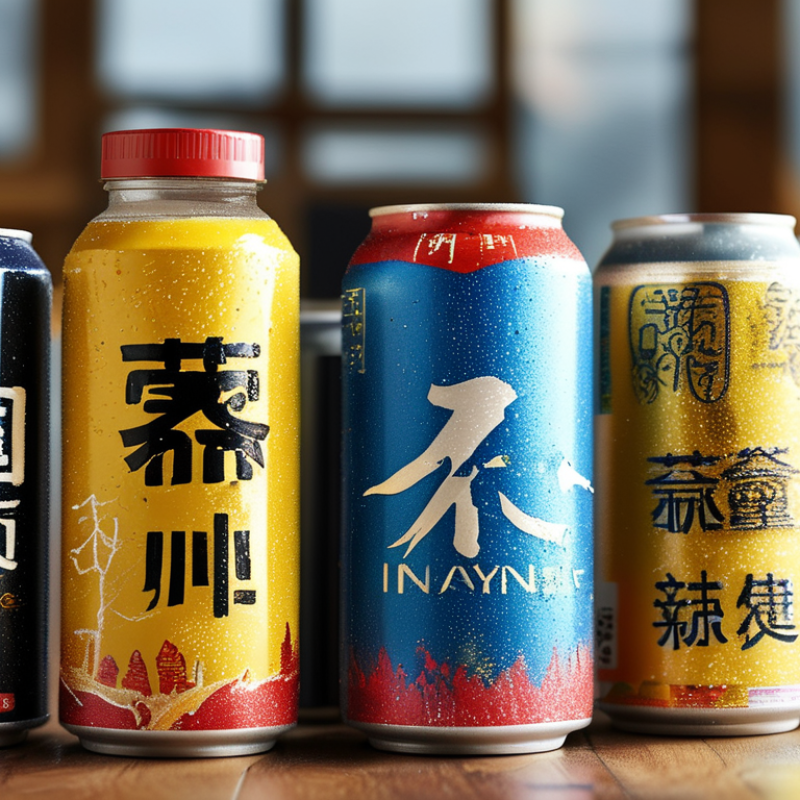
An energy drink that works for global buyers must perform beyond a short caffeine boost. It needs stable taste, clear labeling, reliable supply, and simple market adaptation. Grand View Research estimated the global energy drinks market at about USD 86.3 billion in 2023, with continued growth expected through 2030. That growth attracts suppliers, but market size alone proves little.
Formula control is essential. The European Food Safety Authority states that healthy adults can generally consume up to 200 mg of caffeine in one serving and 400 mg daily. Buyers should check caffeine levels, sugar content, allergens, and local labeling rules before placing orders. Packaging must also survive heat, humidity, and long ocean shipping. A drink may taste excellent in a sample room, yet fail after three months in a hot warehouse. That is an uncomfortable detail, but it matters.
Tips: Request laboratory reports, shelf-life evidence, packaging tests, and pilot shipments. Compare taste after storage, not only on delivery day. Ask whether the supplier can adjust sweetness without changing stability. Certifications can support trust, but they do not replace independent testing. I would not assume one flavor suits every region; local consumers often prefer different sweetness, acidity, and serving sizes. Minimum order quantities also deserve careful review, because a low unit price can hide slow inventory turnover.
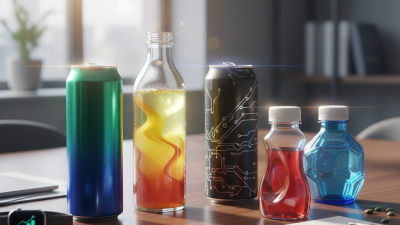
China’s top 10 energy drinks offer different features for global buyers. Carbonated caffeine drinks provide familiar taste and quick shelf appeal. Sugar-free versions reduce calories, but sweetener aftertaste needs testing. Taurine-based formulas support a stronger energy position, subject to local rules. Electrolyte drinks suit active consumers and hot climates. Vitamin-enriched drinks add a wellness angle, but claims require careful verification.
Tea-based energy drinks use lighter flavors and a more natural image. Coffee-energy blends deliver roasted notes and higher perceived strength. Fruit-flavored formulas attract younger shoppers through bright colors and fresh aromas. Sparkling botanical drinks offer a cleaner, modern profile. Compact energy shots improve portability, though dosage and labeling require strict review. Packaging may include slim cans, resealable bottles, or multipacks. Shelf stability matters.
Tips: Request full ingredient lists, caffeine levels, nutrition panels, certificates, and batch records. Test samples in the target market. Local taste can surprise you. Confirm language, recycling marks, health claims, and import requirements before production. Do not judge quality from packaging alone. A colorful can may hide weak flavor balance. Formula performance also changes after shipping, especially in heat. Compare laboratory data with real sensory testing, then adjust carefully.
Representative product profiles commonly found in China’s energy-drink market. Caffeine, sugar, and nutrition values are indicative ranges; buyers should confirm the final product specification and local regulatory compliance before purchase.
| No. | Product Profile | Typical Format | Indicative Caffeine | Sugar Position | Common Functional Ingredients | Typical Pack Size | Suitable Global Buyer Channels | Key Product Features |
|---|---|---|---|---|---|---|---|---|
| 1 | Classic Carbonated Energy Drink | Carbonated ready-to-drink beverage | Approximately 20–35 mg per 100 ml | Usually full-sugar; approximately 8–12 g per 100 ml | Caffeine, taurine, B vitamins, acidity regulators | 250–330 ml cans or bottles | Convenience stores, supermarkets, vending, food-service distributors | Familiar taste profile, strong shelf visibility, easy high-volume distribution |
| 2 | Sugar-Free Carbonated Energy Drink | Carbonated beverage with low- or no-calorie sweeteners | Approximately 20–35 mg per 100 ml | Zero or very low sugar; sweetened with approved alternatives | Caffeine, taurine, B vitamins, non-sugar sweeteners | 250–500 ml cans | Fitness retail, modern grocery, e-commerce, convenience channels | Supports low-sugar positioning and portion-controlled consumption |
| 3 | High-Caffeine Performance Drink | Carbonated or lightly carbonated functional beverage | Approximately 30– 50 mg per 100 ml | Full-sugar or reduced-sugar versions available | Caffeine, taurine, B vitamins, sometimes guarana or green-tea extract | 250–500 ml cans | Sports retailers, gaming channels, gyms, specialty beverage stores | Higher stimulant positioning; requires careful caffeine labeling and market review |
| 4 | Vitamin-Enriched Energy Drink | Still or lightly carbonated ready-to-drink beverage | Approximately 10–30 mg per 100 ml | Reduced-sugar and full-sugar formulations | B-group vitamins, vitamin C, caffeine, taurine or amino acids | 250–500 ml bottles or cans | Pharmacies, supermarkets, office pantries, health-oriented retail | Nutrient-led communication and broad mainstream appeal |
| 5 | Herbal-Ingredient Energy Beverage | Still or carbonated beverage with botanical extracts | Approximately 10–30 mg per 100 ml | Commonly sweetened; reduced-sugar options are available | Tea extract, ginseng or other botanicals, caffeine, B vitamins | 250–500 ml bottles or cans | Asian grocery, wellness retail, specialty importers, e-commerce | Distinctive cultural positioning; botanical claims require destination-market review |
| 6 | Electrolyte Energy Drink | Still or lightly carbonated hydration beverage | Approximately 0–20 mg per 100 ml | Low to moderate sugar for hydration positioning | Sodium, potassium, magnesium, carbohydrates, optional caffeine | 350–600 ml bottles | Gyms, sports clubs, outdoor retailers, vending, convenience stores | Combines hydration and alertness positioning; mineral levels should be specified clearly |
| 7 | Tea-Based Energy Drink | Brewed tea or tea-extract beverage | Approximately 10–30 mg per 100 ml | Unsweetened, lightly sweetened, or full-sugar options | Tea polyphenols, natural tea caffeine, vitamin C or B vitamins | 300–500 ml cans or PET bottles | Supermarkets, cafés, Asian beverage distributors, convenience stores | Tea-forward flavor, lighter sensory profile, and strong fit with Asian beverage trends |
| 8 | Fruit-Flavored Energy Drink | Carbonated or still fruit-flavored beverage | Approximately 15–35 mg per 100 ml | Usually sweetened; low-sugar versions use alternative sweeteners | Caffeine, taurine, fruit flavorings, B vitamins, vitamin C | 250–500 ml cans or bottles | Convenience, supermarkets, vending, quick-service restaurants | Accessible taste profile and flexible flavor localization for different countries |
| 9 | Energy Shot | Small concentrated liquid shot | Often approximately 50–200 mg per serving | Usually low-sugar or sugar-free | Caffeine, taurine, B vitamins, amino acids or botanical extracts | 30–80 ml bottles | Pharmacies, gyms, travel retail, convenience stores, online channels | Compact logistics and high active-ingredient concentration; strict serving and warning labels are important |
| 10 | Powdered Energy Drink Mix | Single-serve sachet or multi-serving powder | Typically 50–200 mg per prepared serving | Sugar-free or low-sugar formulations are common | Caffeine, electrolytes, B vitamins, taurine, amino acids, flavor systems | 5–20 g sachets or resealable pouches | Sports nutrition, e-commerce, gyms, outdoor and travel retailers | Lower shipping volume, long shelf-life potential, and easy customization of serving size |
Global buyers increasingly compare energy drinks by formula, not just price.
Grand View Research valued the global energy drinks market at about USD 86.9 billion in 2022. Its report also projects strong growth through 2030, driven by convenience and functional nutrition. The leading ten profiles usually fall into familiar groups: classic carbonated cans, sugar-free versions, powdered sachets, and ready-to-drink shots.
Caffeine remains central, but buyers should check its source and exact dose per serving. Taurine, B vitamins, electrolytes, and botanical extracts may support positioning, yet they do not guarantee better performance. Evidence varies.
Format changes the buying decision. Slim 250 ml cans suit vending machines and impulse sales. Larger cans offer stronger shelf visibility, but they may raise caffeine and shipping costs. Powdered formats reduce freight weight and allow flexible serving sizes. They also create mixing concerns.
Innova Market Insights has reported sustained consumer interest in reduced-sugar and functional beverage innovation, although “natural” claims still require careful substantiation. The European Food Safety Authority identifies up to 400 mg of caffeine daily as generally safe for healthy adults, with lower limits relevant to sensitive groups. Local rules differ.
Global buyers should verify labels, laboratory certificates, allergen controls, and claim wording before ordering. Packaging also deserves scrutiny: recyclable materials sound attractive, but recovery systems differ by market. A formula can look excellent on paper and still fail in hot warehouses. That practical gap is often underestimated.
Before importing Chinese energy drinks, global buyers should check more than taste, price, and colorful packaging. A product that sells well domestically may not meet your market’s labeling rules. Review caffeine levels, sugar content, sweeteners, taurine, vitamins, allergens, and permitted claims. Ask for the full ingredient list and recent laboratory reports. Check whether the testing laboratory is properly accredited.
Look closely at the label artwork. It should show net volume, nutrition data, batch details, shelf life, storage conditions, and the responsible importer. Translate every statement carefully. “Focus,” “refreshment,” and “performance” can create regulatory problems in some countries. Avoid medical or exaggerated promises. Small wording errors can delay customs clearance. Very costly.
Supplier verification needs practical evidence. Request manufacturing certificates, product specifications, certificates of analysis, and microbiological test results. Compare these documents with random samples from the production line. Inspect can seams, carton strength, pallet wrapping, and container loading conditions. A low minimum order quantity sounds attractive, but unstable supply can damage your launch. Confirm lead times, replacement procedures, payment terms, and accepted shipping conditions in writing.
Shelf life deserves special attention. Heat during ocean transport may affect flavor, carbonation, or packaging pressure. Ask for transport testing, not only a factory sample. I have seen buyers focus heavily on unit cost and overlook label redesign fees. That approach is understandable, but incomplete. A reliable shortlist of ten products should come from verified documents, compliant formulas, physical samples, and realistic landed-cost calculations.
Choosing the right Chinese energy drink depends on the market, not only the product’s factory price. A formula popular in China may taste too sweet in Europe or Southeast Asia. Buyers should compare caffeine levels, sugar content, serving size, and permitted ingredients with local rules. Check laboratory reports, production licenses, allergen statements, and shelf-life data before sampling.
Taste testing should include local consumers, not only import teams. Try chilled and room-temperature samples. Feedback may reveal issues with sweetness, acidity, color, or aftertaste. Packaging also matters. Hot climates require stable cans, strong cartons, and reliable transport testing. Smaller cans may suit convenience stores, while larger formats can work better in gyms or wholesale channels.
Price is only one part of the decision. Confirm minimum order quantities, lead times, private-label support, language accuracy, and batch consistency. Ask for recent test results, not old files. A lower-sugar formula may appear attractive, but it can lose flavor without careful reformulation. That trade-off deserves honest testing. One common mistake is choosing a drink before understanding the target customer. A practical trial order, followed by sales and complaint data, offers stronger evidence than confident predictions.
Working-age population is a useful first screening indicator for Chinese energy drink exporters. It shows potential consumer scale, but buyers should also evaluate local caffeine rules, sugar preferences, pricing, distribution, and required labeling.
Source: World Bank population indicators; figures are rounded estimates for 2023 and represent people aged 15–64, not energy drink sales.
TO GET STARTED OR FOR A FREE QUOTE CALL 888.454.3466