Top 10 Beverage Contract Manufacturers Worldwide

Choosing a beverage contract manufacturing partner can shape a product long before it reaches a refrigerator shelf. The right facility influences formulation, sourcing, filling, packaging, quality control, and speed to market. It also affects how consistently every can, bottle, or carton performs during transport and storage.

David Gluckman, founder of The Drink Consultancy and an experienced beverage developer, once observed, “A beverage is a liquid solution to a consumer need.” That idea remains useful here. A manufacturer should not only produce liquid at scale. It should understand the drink’s purpose, target consumer, sensory profile, and commercial limits.

This guide examines the Top 10 Beverage Contract Manufacturers Worldwide through practical criteria. These include production capacity, certifications, product categories, packaging options, innovation support, and geographic reach. Facilities with sparkling lines, hot-fill systems, aseptic technology, or powder capabilities may serve very different business models. A startup needing 10,000 trial units has different priorities from an established brand ordering millions.

Scale can mislead.

A large plant is not automatically the best partner. Communication delays, minimum order quantities, or inflexible formulas can create expensive friction. Smaller manufacturers may offer closer technical guidance, but their capacity and regional coverage may be limited. Those trade-offs deserve attention.

The companies featured here represent different strengths, not identical solutions. Readers should verify current certifications, lead times, ownership details, and regulatory compliance directly with each manufacturer. Market conditions change. Even reliable information can age quickly.
Top 10 Beverage Contract Manufacturers Worldwide

Beverage Contract Manufacturing: Scope, Models, and Global Market Role

Top 10 Beverage Contract Manufacturers Worldwide

Beverage contract manufacturing now supports more than production. It combines formulation, sourcing, filling, packaging, testing, and distribution planning. Grand View Research reports that the global food and beverage contract manufacturing market is expanding steadily, driven by outsourced innovation and flexible capacity. Beverage producers can choose several models: contract manufacturing, private label production, co-packing, or end-to-end development. Each model changes control, cost, and speed.

The global ready-to-drink sector also shows strong momentum. According to Fortune Business Insights, the ready-to-drink beverages market is projected to grow significantly through 2030. This growth increases demand for aluminum cans, aseptic cartons, glass bottles, and smaller trial batches. A capable partner should provide documented quality systems, traceability, pilot testing, and realistic minimum order quantities. Packaging still causes delays. Forecasts are not promises. Capacity data should be checked directly, not copied from a sales sheet.

Tips: Compare suppliers using the same checklist. Ask for recent audit results, production-line speeds, changeover times, and sample retention procedures. Review beverage stability under heat, light, and transport vibration. The International Society of Beverage Technologists emphasizes process control and quality consistency across beverage operations. Also examine water usage, energy reporting, and waste handling. These details may look minor. They often shape the true cost. A perfect forecast is impossible, so leave room for reformulation, seasonal demand, and one failed pilot run.
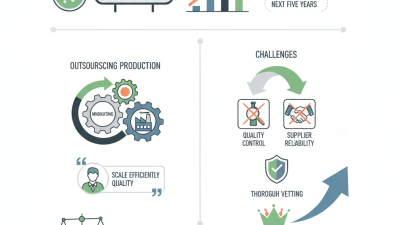
Top 10 Beverage Contract Manufacturers Worldwide — Beverage Contract Manufacturing: Scope, Models, and Global Market Role

Beverage contract manufacturing enables brands to outsource formulation, processing, filling, packaging, and logistics. The market serves alcoholic and non-alcoholic beverages through co-manufacturing, private-label production, and end-to-end turnkey models.

Global beverage contract manufacturing market value: US$24.1 billion in 2023 and a projected US$41.5 billion by 2032. The forecast reflects a reported compound annual growth rate of approximately 6.1%. Source: IMARC Group, “Beverage Contract Manufacturing Market.”

Global Market Outlook: 2023 Valuation, 2030 Forecast, and CAGR

The global beverage contract manufacturing market was valued at an estimated USD 15–20 billion in 2023, depending on the research scope. Some studies include private-label filling, while others count formulation, packaging, and logistics. That difference matters.

By 2030, the market could reach approximately USD 30–40 billion. This range suggests a compound annual growth rate of about 8%–10%. Demand is rising for functional drinks, reduced-sugar formulas, ready-to-drink products, and smaller production runs. The leading ten manufacturers typically compete through filling capacity, quality systems, regional facilities, and faster product development.

Capacity alone is not enough. Beverage producers also examine water treatment, laboratory testing, allergen controls, packaging compatibility, and batch traceability. These details affect launch timing and recall risk. Contract partners with multi-region operations may offer supply flexibility during ingredient shortages. Yet wider networks can create uneven service levels.

Forecasts are not promises. Energy prices, packaging costs, changing nutrition rules, and consumer preferences may alter the 2030 outcome. A cautious buyer should compare audited capacity, certifications, minimum order quantities, and recent delivery performance. The weakest point in many market reports is inconsistent data. It can make a fast-growing segment appear more certain than it really is.

Selection Criteria: Capacity, Certifications, Formulation, and MOQ

Choosing among the top 10 beverage contract manufacturers worldwide requires evidence, not polished presentations. Capacity should mean more than annual volume. Ask for tank sizes, line speeds, shift patterns, and available filling formats. An audited production schedule can reveal whether your launch will receive protected time. Backup utilities and documented maintenance matter when one stopped line can delay thousands of cases.

Certifications should match the product and target market. Request current certificates, audit dates, certification scopes, and corrective-action records. Check lot traceability from ingredients to finished cases. Formulation expertise is equally important. A capable technical team should test pH, viscosity, stability, flavor performance, and shelf life. Ask for pilot-batch data, not only attractive laboratory samples. Small details matter.

MOQ can quietly reshape the entire project. Compare minimum volumes with tank capacity, packaging commitments, and expected sales. A low MOQ may carry higher unit costs. A large MOQ may create storage pressure. Discuss sampling, scale-up, change-control fees, and rejected-batch procedures before signing. In practical sourcing reviews, spreadsheets often look reassuring but hide line changeover time. I have seen promising schedules fail after one packaging delay. That is worth challenging.

Top 10 Beverage Contract Manufacturers Worldwide - Selection Criteria: Capacity, Certifications, Formulation, and MOQ

An anonymized comparison of leading global beverage co-manufacturing profiles based on commonly published production capabilities, food-safety certifications, formulation services, packaging formats, and minimum order quantities.

Rank Anonymous Manufacturer Profile Primary Region Estimated Annual Beverage Capacity Core Beverage Formats Typical Pack Sizes Food-Safety and Quality Certifications Formulation and R&D Capabilities Typical MOQ Best-Fit Projects
1 Profile A — High-Volume Carbonated Beverage Specialist North America More than 500 million liters per year Carbonated soft drinks, sparkling water, energy drinks, mixers 250–591 ml cans; 330–2,000 ml PET bottles SQF or BRCGS; HACCP; GMP; allergen-control program Flavor matching, carbonation adjustment, sweetener optimization, pilot batching 100,000–250,000 units per SKU Established brands requiring national retail scale
2 Profile B — Aseptic and Shelf-Stable Beverage Producer Western Europe 250–500 million liters per year Plant-based drinks, dairy beverages, juices, functional beverages 200–1,000 ml aseptic cartons; PET bottles IFS Food or BRCGS; HACCP; ISO 22000; organic production where applicable Emulsion stability, protein systems, UHT processing, shelf-life validation 50,000–150,000 liters per formulation Ambient products distributed through grocery and foodservice channels
3 Profile C — Global PET Bottling and Hot-Fill Partner Central and Eastern Europe 150–300 million liters per year Juices, iced teas, flavored waters, sports drinks 250–1,500 ml PET bottles; multipacks BRCGS or FSSC 22000; ISO 9001; HACCP; traceability controls Fruit preparation, acidity control, hot-fill validation, preservative-free processing 75,000–200,000 bottles per SKU Retail beverages needing efficient PET production and broad distribution
4 Profile D — Functional and Sports Nutrition Manufacturer Australia and New Zealand 80–180 million liters per year Electrolyte drinks, protein beverages, pre-workout drinks, wellness shots 60–500 ml cans, bottles, and shot containers BRCGS or SQF; HACCP; GMP; sports-nutrition quality controls Electrolyte systems, vitamin premixes, protein dispersion, stability and sensory testing 25,000–75,000 units per SKU Performance, wellness, and active-lifestyle beverage launches
5 Profile E — Organic and Plant-Based Beverage Specialist Northern Europe 60–150 million liters per year Oat, almond, coconut, soy, botanical, and organic beverages 250–1,000 ml cartons and HDPE bottles FSSC 22000 or BRCGS; EU organic certification where applicable; HACCP Plant-protein stabilization, homogenization, clean-label reformulation, barista trials 30,000–100,000 liters per SKU Premium, organic, vegan, and clean-label beverage concepts
6 Profile F — Flexible Co-Packer for Emerging Brands United Kingdom and Ireland 30–100 million liters per year Juices, kombucha, iced tea, functional waters, soft drinks 200–750 ml cans, glass bottles, and PET bottles BRCGS; HACCP; SALSA or equivalent small-batch food-safety systems Small-scale trials, flavor development, carbonation, label and specification support 10,000–40,000 units per SKU Start-ups and regional brands scaling from pilot to commercial production
7 Profile G — Southeast Asian Beverage Export Manufacturer Southeast Asia 100–250 million liters per year Tea drinks, coconut water, fruit beverages, energy drinks 250–1,000 ml cans, PET bottles, and cartons HACCP; GMP; ISO 22000 or FSSC 22000; export documentation systems Tropical fruit processing, tea extraction, aseptic filling, heat-process validation 50,000–150,000 units per SKU Export-oriented products and tropical flavor profiles
8 Profile H — Middle East and Africa Shelf-Stable Partner Middle East 70–180 million liters per year Fruit drinks, malt beverages, dairy drinks, flavored water 200–1,500 ml cans, PET bottles, and cartons BRCGS or FSSC 22000; HACCP; Halal certification; ISO 9001 Heat-stable flavor systems, fruit concentrates, halal-compliant ingredient sourcing 50,000–200,000 units per SKU Ambient products for regional retail, hospitality, and export markets
9 Profile I — Premium Glass and Craft Beverage Co-Manufacturer Western Europe 20–80 million liters per year Premium mixers, botanical sodas, cold-brew coffee, kombucha 200–750 ml glass bottles and cans IFS Food or BRCGS; HACCP; GMP; organic certification where applicable Botanical extraction, cold brew, live-culture processing, sensory prototyping 8,000–30,000 units per SKU Premium hospitality, specialty retail, and limited-release products
10 Profile J — Powdered and Ready-to-Mix Beverage Manufacturer East Asia 15–60 million kg of finished product per year Instant tea, powdered sports drinks, nutrition mixes, drink concentrates Sachets, stick packs, pouches, tubs, and liquid concentrate bottles FSSC 22000 or ISO 22000; HACCP; GMP; allergen and metal-detection controls Spray drying, agglomeration, flavor encapsulation, premix development, solubility testing 5,000–25,000 kg per formulation E-commerce, foodservice, sports nutrition, and international private-label products
Selection note: Capacity and MOQ figures are representative commercial ranges for comparable contract-manufacturing operations. Actual availability depends on formulation complexity, packaging format, production scheduling, ingredient sourcing, market regulations, certification scope, and artwork requirements.

Profiles of the Top 10 Beverage Contract Manufacturers Worldwide

Top 10 Beverage Contract Manufacturers Worldwide

The leading beverage contract manufacturers serve different production needs and market conditions. A North American specialist often provides filling, blending, and cold-chain support for functional drinks. A Western European producer may focus on premium juices, low-sugar recipes, and recyclable packaging. One Central European facility stands out for aseptic carton production and strict microbial controls.

An East Asian manufacturer commonly combines tea extraction with high-speed canning lines. Another regional facility handles powdered drink mixes and shelf-stable concentrates. A Southeast Asian producer may offer tropical fruit processing, glass bottling, and export documentation. These capabilities matter when ingredients travel through humid climates. They also reveal the value of practical factory experience.

A Middle Eastern manufacturer can support halal-compliant production and flexible batch sizes. An African facility may provide local fruit sourcing, blending, and regional distribution support. A South American producer often works with botanical ingredients and returnable glass systems. An Oceania-based manufacturer may specialize in clean-label drinks, small pilot runs, and transparent ingredient records.

Reliable manufacturers usually maintain HACCP, GMP, or ISO 22000-based controls. Buyers should inspect allergen procedures, water testing, traceability, and recall readiness. Factory visits can expose details that brochures omit. No profile is flawless. Public information may also be incomplete. A strong partner explains limitations, shares test results, and accepts formulation challenges without making unrealistic promises.

Comparison by Regions, Beverage Categories, Facilities, and Production Scale

Top 10 Beverage Contract Manufacturers Worldwide

A useful global comparison starts with regional strengths, not reputation alone. North American facilities often support high-volume cans, PET bottles, and ready-to-drink products. European plants commonly emphasize traceability, sustainable packaging, and specialized formulation control. Asia-Pacific offers extensive aseptic, tea, juice, and functional beverage capabilities. Latin American and Middle Eastern manufacturers may provide strong regional distribution and flexible production schedules.

Category fit matters. Carbonated drinks need reliable carbonation control and fast filling lines. Cold-filled juices require strict microbial monitoring and dependable refrigeration. Aseptic facilities suit shelf-stable dairy alternatives, protein drinks, and fortified beverages. Hot-fill lines handle many acidic recipes, but they may limit packaging choices. Experienced buyers should examine water treatment, allergen separation, laboratory testing, and batch traceability before comparing prices.

Facility scale changes the commercial model. Pilot plants help validate flavor, texture, and shelf life with lower minimum orders. Mid-sized sites often offer better flexibility during market testing. Large plants can reduce unit costs, yet complex changeovers may create scheduling pressure. Certification evidence should be checked directly, not assumed from sales material. Capacity figures can also be unclear. Some manufacturers publish maximum line speed, while others report annual output. The ranking is therefore not fixed. Public data remains uneven, and a smaller facility may fit a demanding product better than a larger one. In practice, audit results, communication, and documented quality performance deserve equal attention.