
Top 10 Potassium Humate Suppliers Worldwide

Potassium Humate is used in agricultural products to support soil management and plant nutrition, but supplier claims can vary widely. A product name alone reveals little about its source, solubility, or consistency. Buyers need details they can verify, not just a polished label.

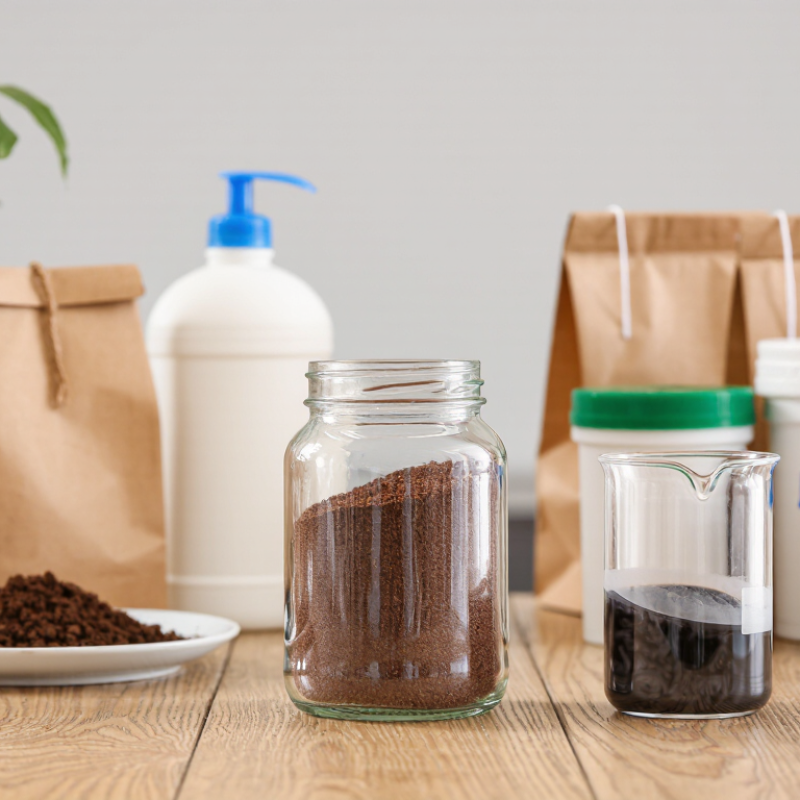
Humic-substance researcher Robert D. Vaughan’s work offers a useful lens: evaluate materials by their composition and evidence, rather than by claims alone. This is a paraphrase of that principle, not a verbatim quotation. In practice, compare declared humic and fulvic acid content, potassium levels, solubility, raw-material origin, and batch documentation. A jar of powder dissolving in a clear glass can offer a quick visual clue, but it cannot confirm purity or field performance. That distinction matters.

This guide introduces ten Potassium Humate suppliers worldwide and the factors readers can use to assess them. It considers product range, manufacturing transparency, quality controls, and support for different agricultural needs. Supplier information can change, and a global presence does not guarantee suitability for every farm. Not always. Ask for current specifications and independent test results where available. The comparison is a starting point, not a substitute for checking local soil conditions, application guidance, and actual product records. Some details may remain difficult to compare across companies. That is worth questioning.
Top 10 Potassium Humate Suppliers Worldwide

What Potassium Humate Is and How It Is Produced

Potassium humate is a potassium salt of humic substances, complex organic compounds formed as plant material decomposes over long periods. Commercial products often use leonardite or oxidized lignite as their feedstock. It is not a single pure molecule. Its composition depends on the source material and processing conditions, so color and solubility can vary between batches. The potassium helps make humic material dispersible in water, though a dark solution may still contain fine particles. That detail is easy to overlook.

Production generally starts with crushed, screened raw material. It is mixed with an alkaline potassium solution, which releases humic components into the liquid. The extract is then separated from much of the mineral residue, concentrated, and dried into powder, flakes, or granules. Some producers adjust the solution’s pH or filter it further. Each step affects the final product. Testing commonly checks moisture, pH, potassium content, and water solubility, but these figures do not tell the whole story. Feedstock variation remains a practical limitation, and processing can reduce unwanted solids without making every product identical. The process sounds tidy on paper. Real batches are less predictable.

How the Global Potassium Humate Market Is Organized

The worldwide potassium humate market is organized around producers, regional distributors, and agricultural users. Producers process humic materials into products commonly sold as flakes, powder, or liquid concentrates. Form affects storage, handling, and mixing on farms. It is practical, not glamorous.

Trade also follows product grade and intended use. Buyers compare declared humic content, solubility, moisture, pH, and batch consistency. They check whether the specifications fit their irrigation or soil program. A current specification sheet and certificate of analysis can help assess a shipment. Test methods may differ, however, so reported percentages are not always directly comparable. That detail is easy to miss.

Distribution depends on freight costs, growing seasons, and local agronomic support. Bulk shipments may suit larger farms, while smaller packages often move through agricultural retailers. Importers can connect producers with regional dealers, who explain dilution and application timing. The chain is not perfectly transparent: supplier listings rarely reveal actual capacity or service quality. Buyers can ask about traceability, sample testing, and support after delivery, alongside price. Field results still depend on soil conditions and farm management.

Top 10 Potassium Humate Suppliers Worldwide - How the Global Potassium Humate Market Is Organized

This is a market-structure overview, not a verified ranking of individual companies. Supplier roles overlap, and product specifications vary by feedstock, extraction process, formulation, and local regulations. No company or brand names are listed.

No. Supplier Type Typical Role in the Supply Chain Common Product or Service Typical Buyer Key Purchasing Consideration
1 Humic raw-material miners and processors Extract and prepare humic-rich materials, including leonardite where available, for further processing or direct sale. Raw or screened humic material; processed feedstock for humate production. Potassium humate manufacturers and fertilizer formulators. Feedstock origin, consistency, moisture, ash, and supporting analytical documentation.
2 Potassium humate extraction manufacturers Convert humic feedstock into potassium humate through alkaline extraction and subsequent processing. Powder, granules, or other bulk forms, depending on the process and intended use. Fertilizer companies, importers, and agricultural-input distributors. Declared humic-acid and potassium content, solubility, impurities, and batch consistency.
3 Water-soluble fertilizer formulators Blend potassium humate with other fertilizer ingredients to meet crop, irrigation, or application requirements. Soluble powders, liquid concentrates, and blended nutrient products. Growers, greenhouse operators, and fertigation suppliers. Compatibility with other inputs, dissolution behavior, nutrient declaration, and application instructions.
4 Granule and soil-amendment producers Process humate into solid products designed for soil application and bulk handling. Granules, flakes, or blended soil amendments. Farm-input retailers, agricultural cooperatives, and commercial growers. Particle size, dust level, moisture, handling properties, and suitability for the intended equipment.
5 Bulk exporters and international traders Coordinate export sales, documentation, logistics, and shipments between manufacturers and overseas buyers. Bulk or packaged product sourced from one or more manufacturing facilities. Importers, wholesalers, and large fertilizer distributors. Country-of-origin documentation, product specifications, packaging, shipping terms, and export compliance.
6 Regional agricultural-input distributors Import or purchase products in volume, then supply local retailers and agricultural customers. Locally packaged products and selected bulk formats. Farm supply stores, cooperatives, and growers. Local registration requirements, availability, technical support, and dependable replenishment.
7 Private-label and contract-packaging suppliers Manufacture or package products to a buyer’s specifications and packaging requirements. Custom-labelled powder, granules, or liquid products. Importers, distributors, and agricultural brands. Written specifications, quality-control procedures, packaging standards, and traceability.
8 Specialist soil-health and organic-input suppliers Include potassium humate in a broader portfolio of soil conditioners and agricultural inputs. Standalone humate products or multi-ingredient soil-health formulations. Specialty retailers, soil-management advisers, and growers. Permitted claims, ingredient disclosure, suitability for the production system, and local rules for organic use.
9 Industrial chemical and fertilizer distributors Provide sourcing, warehousing, and distribution services for agricultural materials, including humate products where offered. Standard commercial grades in distributor-selected pack sizes. Commercial farms, formulators, and institutional buyers. Safety documentation, quality certificates, storage conditions, and delivery capability.
10 Online wholesale and marketplace sellers Connect buyers with manufacturers, exporters, or resellers; the seller may not be the actual producer. Small packs, sample quantities, or quoted bulk orders. Small businesses, growers, and buyers seeking initial product comparisons. Verify the actual manufacturer, current test results, product identity, terms of sale, and shipment documentation.

Criteria for Evaluating Worldwide Potassium Humate Suppliers

Evaluating a potassium humate supplier starts with evidence, not a polished product description. Request a current specification sheet showing humic substances, potassium content, moisture, pH, and water solubility. Ask how each figure is measured and whether it applies to the supplied grade or a broad product range. Small differences matter. Powder that disperses evenly in a jar may behave differently in hard irrigation water. Test a sample under actual conditions. Request batch-specific certificates of analysis, with clear details on sampling, test methods, and product traceability.

Reliable suppliers can explain their raw-material sources, manufacturing controls, packaging, and expected shelf life without vague assurances. Check whether sealed bags arrive dry, carry lot numbers, and are protected from moisture during transport. Ask for guidance on application rates, compatibility, and storage, then compare the advice with product documentation. Support matters. Price per ton alone can mislead; compare cost per usable nutrient and account for freight, minimum orders, and batch consistency. References or independent test results can add confidence, though neither replaces your own trial. One successful sample is not conclusive: field performance can shift with soil, water, crop, and handling.

Profiles of Ten Potassium Humate Suppliers Worldwide

A worldwide supplier review should compare evidence, not just catalogue claims. These ten anonymous profiles represent useful supplier types, not verified company endorsements: 1) mine-linked processors with traceable ore; 2) regional leonardite extractors; 3) water-soluble powder specialists; 4) liquid-formulation producers; 5) bulk exporters; 6) small-batch custom blenders; 7) suppliers offering independent laboratory tests; 8) suppliers serving drip-irrigation farms; 9) suppliers focused on soil-conditioning blends; and 10) distributors with local technical support. Each profile should disclose raw-material origin, humic-acid content, potassium level, solubility, and batch consistency. A label alone proves little.

Market context matters. FAO’s World Fertilizer Trends and Outlook to 2026 projected global fertilizer use could reach 202.8 million tonnes of nutrients by 2026. That broad forecast is not a potassium-humate sales estimate, but it signals sustained attention to nutrient efficiency. Compare supplier test sheets with a retained sample: dark powder should disperse without gritty residue, while liquid products should remain uniform after mixing. Some specifications remain hard to compare. That is worth admitting.

Tips: Request a recent certificate of analysis, safety data sheet, and trial quantity. Test compatibility in your actual water before scaling up. Ask how moisture, storage time, and shipment temperature affect the product.

Top 10 Potassium Humate Suppliers Worldwide — Profiles of Ten Potassium Humate Suppliers Worldwide

This reference chart shows standard atomic weights, in unified atomic mass units, for elements commonly found in humic substances and potassium humate. These are elemental reference values—not product composition data, supplier rankings, or company-specific figures.

How to Compare Supplier Products, Certifications, and Services

When comparing potassium humate suppliers, ask for a recent certificate of analysis and the test method behind every key claim. Check potassium content, humic-acid content, moisture, solubility, and pH. A dark sample is not proof of high quality. ISO 19822:2018 provides a method for measuring humic and hydrophobic fulvic acids in fertilizer materials, making results easier to compare when suppliers use the same method.

The market is broad. The International Fertilizer Association’s 2024 outlook places annual global fertilizer consumption at roughly 200 million tonnes of nutrients, though this figure covers fertilizers overall, not potassium humate alone.

Compare product form and application fit: a fine, fully soluble powder may suit fertigation, while coarse granules can dissolve unevenly in a small irrigation filter. Request batch records, contaminant testing, and clear handling instructions. Ask whether the supplier can provide trial quantities and technical support for your water quality and crop conditions.

Details matter.

Review certifications carefully. ISO 9001 can indicate a documented quality-management system, but it does not certify a product’s agronomic performance. Confirm certificate scope, issuing body, and expiry date. Then compare packaging strength, lead times, complaint handling, and batch-to-batch consistency.

I would still run a small field trial; supplier documents cannot predict every soil response.