Top Beet Root Juice Powder Suppliers for Global Buyers?
Selecting reliable Beet Root Juice Powder suppliers requires more than comparing prices or polished websites. Global buyers should examine product specifications, processing controls, documentation, and export experience. A dependable supplier can provide a current certificate of analysis, batch traceability, microbiological results, pesticide screening, and heavy metal testing. These records help confirm whether the powder suits food, beverage, or supplement applications.
Product quality may vary noticeably. Color intensity, solubility, nitrate content, betalain stability, moisture, and carrier ingredients can affect the final product. Buyers should request representative samples before approving large orders. A vivid red sample is not enough. Ask how beet roots are sourced, dried, milled, packed, and stored. Packaging should protect the powder from humidity, heat, light, and contamination during transit.
This guide compares leading supplier qualities for international procurement teams. It considers manufacturing standards, certifications, minimum order quantities, private labeling, lead times, communication, and shipping support. Suppliers serving different regions may follow different regulatory expectations. Verification remains essential. No supplier ranking is perfect. A low-cost offer may hide weaker testing or inconsistent batches. That risk deserves attention. Buyers should also clarify Incoterms, payment terms, shelf life, allergen statements, and customs documents before signing an agreement. Reliable partnerships develop through clear specifications, transparent evidence, and repeated performance, not promises alone.
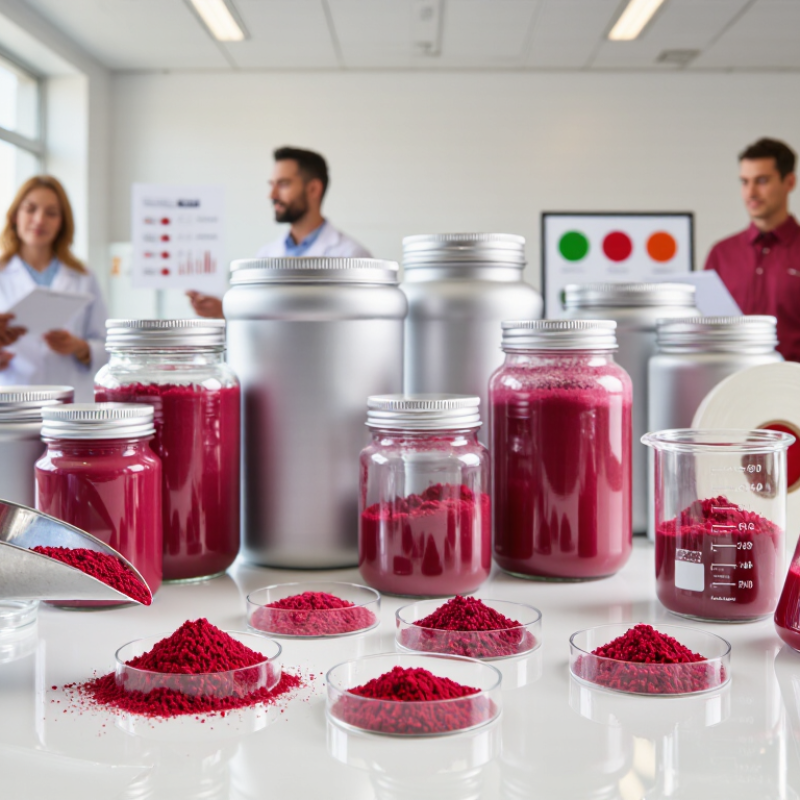
What Beetroot Juice Powder Is and How It Is Made
Top Beet Root Juice Powder Suppliers for Global Buyers?
What Beetroot Juice Powder Is and How It Is Made
Beetroot juice powder is a concentrated, dry ingredient made from fresh red beet juice. It is not simply ground beetroot. Manufacturers wash the roots, remove damaged tissue, slice them, and press or extract the juice. The liquid is then filtered, concentrated, and dried into a fine powder.
Spray drying is widely used for commercial production because it offers better throughput and consistent moisture control. Freeze drying can preserve more delicate color compounds, but it usually costs more. Carriers such as maltodextrin may improve flow and reduce sticking. That detail matters when buyers compare “100% juice powder” with blended formulations.
The United States Department of Agriculture lists raw beetroot at about 43 calories per 100 grams. Its nitrate content can vary with soil, variety, harvest timing, and processing. A review in Nutrients reports that beetroot products may contain meaningful dietary nitrate, but levels differ sharply between batches. The European Food Safety Authority sets an acceptable daily intake for nitrate at 3.7 milligrams per kilogram of body weight. Buyers should request nitrate, moisture, microbiological, heavy-metal, and pesticide test results. Certificates alone are not enough. I would also check solubility, color stability, carrier percentage, and origin records. Some powders look vivid in a sample, then fade quickly. That is easy to overlook.
Key Quality Standards for Evaluating Global Suppliers
Global buyers should evaluate beet root juice powder through documented quality controls, not attractive product descriptions. A reliable supplier provides a current certificate of analysis for every production batch. The report should identify betalain content, moisture, microbiological results, heavy metals, and pesticide residues. Testing should use recognized laboratory methods. Ask whether the laboratory is accredited and independent. One missing test can weaken an otherwise impressive specification.
Traceability matters from farm to finished powder. Suppliers should identify the growing region, harvest period, processing site, and lot number. Their facilities should follow HACCP or an equivalent food safety system. ISO 22000 certification can add useful evidence, but certification alone proves little. Request audit records, corrective actions, and product recall procedures. Check the inner liner and outer carton. Both should protect the powder from humidity, light, and contamination during transport.
Small sample trials reveal practical problems. Examine color uniformity, aroma, solubility, sediment, and flavor in water. Measure performance after storage, not only on arrival. I would also compare two batches, because natural beet pigments can vary. No supplier is flawless. A vague answer about shelf life deserves careful questioning. A better supplier admits limitations and explains controls. Pricing should be reviewed beside testing frequency, packaging quality, lead time, and documented traceability.
How to Compare Pricing, Certifications, and Supply Capacity
When comparing beet root juice powder suppliers, pricing should be viewed beyond the quoted price per kilogram. Ask whether the quote includes packaging, testing, freight, and export documentation. A low price may reflect weaker concentration or seasonal raw material shortages. Request a sample with its specification sheet and compare color, solubility, moisture, and nitrate content under the same test conditions.
Certifications provide useful evidence, but certificates alone are not proof of consistent quality. Check the issuing body, certificate scope, expiry date, and production site. Look for appropriate systems such as GMP, HACCP, ISO 22000, or organic certification when required by your market. Ask for recent certificates of analysis, microbiological results, heavy metal testing, and batch traceability records. Test a retained sample independently if the product will enter a sensitive food or supplement application.
Supply capacity deserves practical questioning. Confirm minimum order quantities, monthly output, harvest-season planning, lead times, and backup raw material sources. A supplier may claim high capacity but lack finished-goods inventory during peak demand. Ask how many batches can be produced weekly and how quickly deviations are reported. Written answers matter. Still, documents can become outdated, and I would not treat one successful sample as permanent evidence. A factory visit or live video audit can reveal storage conditions, labeling controls, and whether production appears genuinely organized.
Steps for Selecting and Verifying a Reliable Supplier
Selecting a beetroot juice powder supplier requires more than comparing prices. The World Health Organization estimates that unsafe food causes 600 million illnesses and 420,000 deaths annually. Treat supplier verification as a food-safety decision, not a purchasing shortcut.
Request a recent certificate of analysis for each production lot. It should show nitrate content, moisture, microbiological results, heavy metals, pesticide residues, and allergen controls. Compare the laboratory name and test methods with recognized standards. An ISO 22000 or HACCP certificate helps, but it does not replace batch testing. Visit the facility when possible. Look for sealed ingredient areas, calibrated scales, stainless-steel contact surfaces, and clear lot coding. Ask how quickly the supplier can trace one pallet back to farm records.
Test a pre-shipment sample independently. Check color, solubility, earthy odor, and declared nitrate levels. A sample can look excellent and still fail contamination screening. The 2023 European Food Safety Authority report found 96.3% of tested food samples complied with legal pesticide limits, yet compliance was not universal. Use that figure as a reminder, not a guarantee. The supplier should explain crop origin, drying temperature, carrier ingredients, packaging barriers, and storage humidity. Insist on retained samples and written corrective-action procedures. I would also compare three lots, because one successful sample may hide seasonal variation. That extra step costs time. It can prevent a much larger recall, though no verification plan is perfect.