Top 10 Beverage Development Trends That Will Shape 2026?
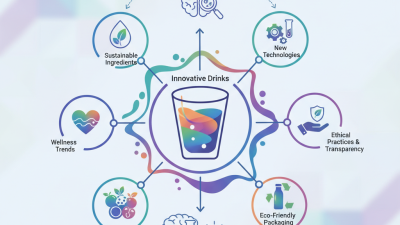
As we look towards 2026, the landscape of beverage development is poised for transformation. Current trends show a rising interest in health-oriented beverages. According to the Beverage Marketing Corporation, wellness drinks are projected to see a growth of 20% by 2026. Industry expert Dr. Emily Chen highlights that "consumers are increasingly seeking beverages that not only quench their thirst but also enhance their health."
Amid this evolution, innovations are taking center stage. With the popularity of plant-based options, more brands are investing in sustainable ingredients. The shift toward eco-friendly packaging is also significant. A recent Mintel report revealed that 75% of consumers prefer brands that demonstrate environmental responsibility. This trend offers opportunities for beverage development but also creates challenges for companies to maintain quality and affordability.
However, not all developments are perfect. The pressure to innovate can compromise taste. Some consumers complain about the sacrifices made for health benefits. As we navigate these complexities, it is crucial for industry players to find the right balance. The future of beverage development will hinge on listening to consumer feedback while embracing innovation.
Innovative Flavor Profiles Redefining Beverage Preferences in 2026
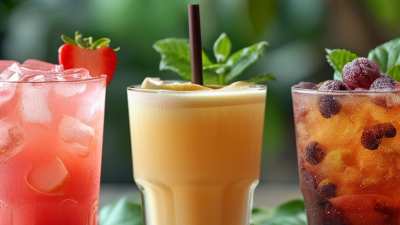
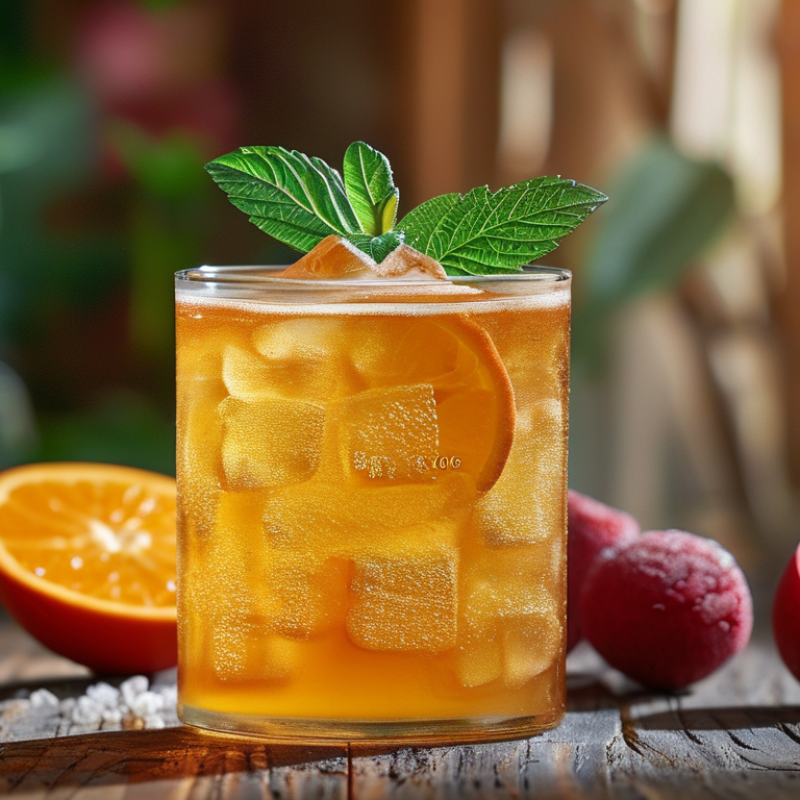
Innovative flavor profiles are transforming beverage preferences for 2026. Consumers are seeking unique experiences. Traditional tastes are fading, making room for bold and unexpected combinations.
Floral notes, savory ingredients, and even spiced flavors are on the rise. Products infused with herbs like basil or cardamom are becoming popular. This trend is about more than refreshment; it’s about exploration and adventure in every sip.
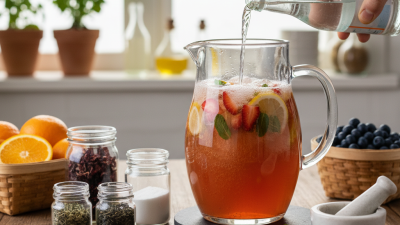
To keep pace with these evolving tastes, consider experimenting in the kitchen. Use local ingredients to create distinctive flavors. Pair unexpected elements, like chili with chocolate or coconut with ginger. Such combinations could resonate with today’s adventurous consumers.
Additionally, listening to customer feedback is crucial. Trends shift quickly, and preferences can change overnight. Always be ready to adapt your offerings based on these insights. Engaging with patrons through tasting events can also provide valuable input. Understanding their reactions can guide future developments.
Sustainability Practices in Beverage Production and Packaging Trends
Sustainability in beverage production is becoming crucial. Companies are increasingly adopting eco-friendly practices. This shift helps reduce waste and supports environmental health. Biodegradable packaging options are emerging. These alternatives often decompose faster than traditional plastics. Innovative materials like plant-based plastics are gaining popularity.
Water conservation is another priority. Beverage producers are finding ways to minimize water usage in manufacturing. They employ advanced recycling techniques. Efficientwater systems are vital to maintaining supply. Additionally, the shift towards renewable energy sources is ongoing. Many producers are exploring solar and wind power options to reduce their carbon footprint.
Despite these trends, challenges remain. Not all sustainable practices are economically viable for small businesses. Some consumers may need education on the benefits of these changes. Balancing sustainability with profit is complex. The industry must continuously assess and adapt strategies. Encouragingly, investment in sustainable technology is growing, paving the way for a greener future.
The Rise of Functional Beverages: Health Benefits and Market Demand
Functional beverages are taking the market by storm. These drinks offer more than just taste; they deliver health benefits that consumers are actively seeking. Immunity boosters, digestive aids, and stress-relief options are now commonplace. Today’s consumers want drinks that support their health goals. They are prioritizing beverages that contribute to their overall well-being.
The demand for functional beverages is not just a trend; it's a shift in lifestyle. People are more informed about nutrition. They actively research the benefits of certain ingredients. This shift has led to an increase in the availability of drinks infused with vitamins, minerals, and adaptogens. For instance, turmeric lattes and electrolyte-rich waters are gaining popularity. However, not all functional beverages live up to the hype. Some may contain excessive sugar, undermining their health claims. Consumers need to be vigilant and informed.
As this category grows, questions about efficacy arise. Are these drinks truly beneficial? Transparency in labeling becomes crucial. Brands must provide clear information on ingredient sourcing and health claims. Consumers are looking for authenticity and reliability. This increasing scrutiny will shape the market and encourage brands to improve their product offerings.
Technology Integration: Smart Solutions for Beverage Development
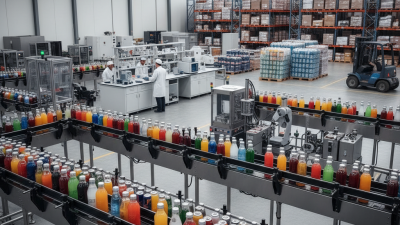
The beverage industry is undergoing a transformation driven by technology integration. Smart solutions are revolutionizing the way beverages are developed, making processes more efficient and tailored to consumer preferences. Data analytics, for example, helps companies identify trends and flavor profiles quickly. This enables rapid product development and customization, catering to diverse tastes.
Automation is another vital aspect of this technological shift. Automated brewing processes and robotic systems streamline production. However, reliance on these technologies raises questions about human oversight and creativity. While robots can enhance efficiency, they may lack the intuition needed for innovative flavor combinations. Balancing technology with human input is crucial for achieving optimal results.
Consumer engagement is becoming increasingly data-driven. Companies are leveraging customer feedback collected through apps and social media. This fosters a more interactive relationship, but it also poses challenges. Responding to fluctuating consumer demands can strain supply chains. As companies embrace these smart solutions, the need for flexibility and adaptability will be essential for future success in beverage development.
Exploring Non-Alcoholic Options: Trends in Mindful Drinking Choices
The trend of mindful drinking continues to gain momentum as more consumers seek non-alcoholic options. This shift reflects a growing awareness of health and wellness. Many individuals are prioritizing their physical and mental well-being. They're searching for alternatives that offer flavor without the effects of alcohol.
Beverage developers are responding by creating innovative non-alcoholic drinks. These range from sophisticated mocktails to functional beverages that support hydration and wellness. Aromatic herbs and spices are being used to enhance flavors. Moreover, beverages infused with adaptogens, like ashwagandha or ginger, are popular for their potential health benefits.
Look for unique flavor profiles when exploring new drinks. Sweet, savory, and spicy combinations can provide a refreshing experience. Aim for beverages that offer a sense of occasion. Also, consider trying homemade concoctions; it’s a rewarding way to experiment with flavors. Reflect on how these choices impact your lifestyle. Every choice fuels your journey towards wellness, so make them count.
Top 10 Beverage Development Trends That Will Shape 2026
| Trend |
Description |
Projected Growth (%) |
Consumer Interest (%) |
| Health and Wellness |
Increased demand for beverages that promote health benefits such as immunity and nutrition. |
25 |
70 |
| Sustainable Packaging |
Shift towards eco-friendly packaging solutions, reducing plastic use and carbon footprint. |
30 |
65 |
| Flavor Innovation |
Exploration of unique and exotic flavors to attract adventurous consumers. |
20 |
60 |
| Functional Beverages |
Beverages that offer added functionality, such as energy boost or relaxation effects. |
40 |
75 |
| Mindful Drinking |
Growing trend towards non-alcoholic options reflecting a conscious lifestyle choice. |
35 |
80 |
| Local and Artisan Products |
Preference for locally sourced, small-batch, and artisan beverage products. |
15 |
50 |
| Digital Engagement |
Utilization of online platforms and apps for personalized beverage experiences. |
12 |
55 |
| Diversity in Beverages |
Increased variety of beverage types catering to diverse consumer preferences. |
18 |
65 |
| Cold Brew and Nitro Beverages |
Rise in popularity of cold brew coffee and nitro-infused drinks. |
22 |
62 |
| Experiential Marketing |
Focus on creating memorable experiences around products to engage consumers. |
10 |
58 |