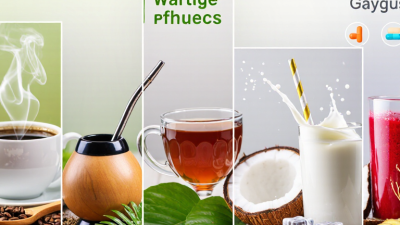
China’s natural energy drinks are gaining attention for their tea-based flavors, botanical ingredients, and regional character. Unlike heavily sweetened stimulant drinks, many Chinese options draw energy from green tea, black tea, coffee, coconut water, or traditional plant extracts. Some include ginseng, jujube, goji berry, or chrysanthemum. Their taste can range from bright and grassy to earthy and mildly sweet.
The category is not perfectly defined. “Natural” may describe an ingredient, not the entire formula. A drink can contain plant extracts while still carrying significant sugar or caffeine. This guide examines popular choices through ingredient lists, caffeine levels, sugar content, serving sizes, and labeling clarity. It also considers practical details, such as whether a drink feels refreshing after exercise or simply tastes sweet in a cold can.
Taste matters.
Personal experience can help, but it is not enough. Reliable comparisons should use manufacturer information, recognized food-safety requirements, and careful label reading. Chinese food labels commonly identify caffeine-containing ingredients, sweeteners, additives, and nutrition values. However, imported products may use translations that are incomplete or difficult to interpret. Buyers should check the original packaging whenever possible.
Some claims deserve skepticism. A botanical name does not prove stronger energy, better health, or superior performance. Caffeine sensitivity also varies widely. This overview highlights promising natural energy drinks from China while acknowledging their limitations. It avoids treating traditional ingredients as medical solutions. Instead, it focuses on realistic use, transparent information, and balanced choices for everyday consumers.
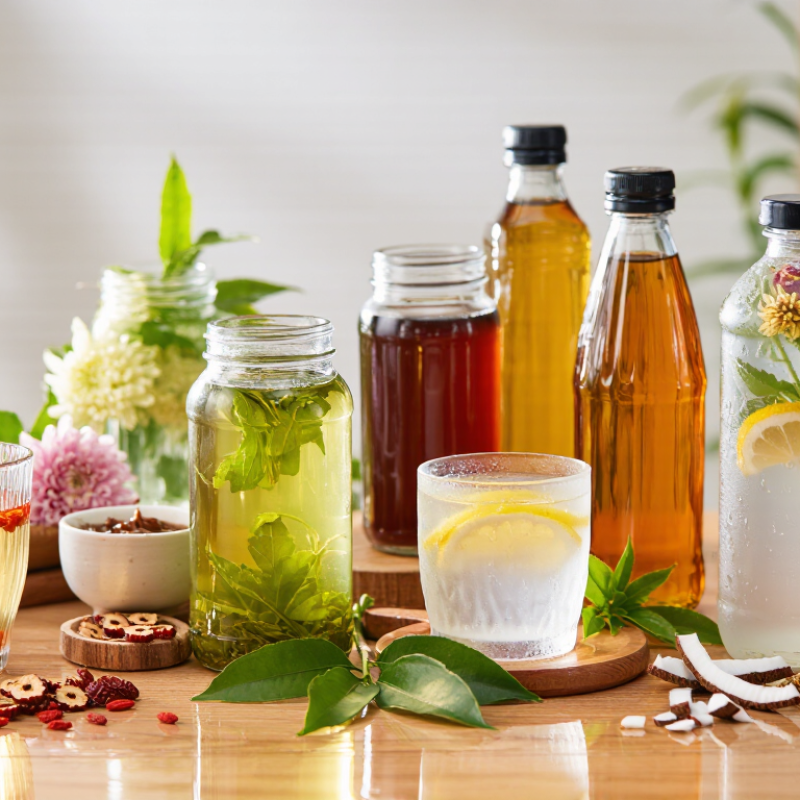
In China, a natural energy drink usually starts with recognizable ingredients rather than a mysterious stimulant blend. Common choices may include tea extracts, fruit juice, coconut water, ginger, jujube, or ginseng-inspired ingredients. These ingredients reflect local food traditions, but tradition alone does not prove effectiveness. The label still matters.
A credible product should clearly state its caffeine source, amount, sugar level, serving size, and added vitamins. It should also provide production information and comply with applicable Chinese food-safety requirements. I look for short ingredient lists and specific quantities. “Natural energy” is not a universal scientific category. It can be a marketing phrase.
Taste offers useful clues. A drink with tea notes, light acidity, and mild sweetness may feel more food-based than syrupy. However, a clean taste does not guarantee better nutrition. Some natural ingredients can also interact with medicines or cause discomfort. Consumers should check personal sensitivities and avoid treating these drinks as medical products.
My own first impression can be wrong. A familiar herbal flavor may create trust too quickly. Reliable evaluation needs laboratory testing, transparent sourcing, and consistent quality records. China’s best natural energy drinks should combine regional ingredients with careful formulation, honest labeling, and moderate stimulation. Fresh-looking packaging is not enough.
Traditional Chinese ingredients can provide a gentler energy profile than heavily sweetened beverages. Tea is the clearest example. It supplies caffeine and L-theanine, which may support alertness with less nervousness for some people. The International Tea Committee reported China produced more than 3 million metric tons of tea in 2023, showing the ingredient’s substantial agricultural base. Green tea, oolong tea, and pu-erh tea each offer different aromas and caffeine levels.
Ginseng is another familiar ingredient in Chinese wellness traditions. Research published in Nutrients in 2023 found that ginseng’s effects on fatigue and performance remain promising but inconsistent. That uncertainty matters. It should not be marketed as a guaranteed stimulant. Goji berries contribute natural sweetness, carotenoids, and a fruit-like flavor, while ginger adds warmth and may improve drinkability. Jujube can soften bitterness without relying entirely on refined sugar.
The commercial opportunity is visible. Grand View Research valued the global functional beverages market at over 200 billion dollars in 2023, with natural ingredients supporting continued growth. However, “natural” does not automatically mean effective or safe for everyone. A practical Chinese-style energy drink should state caffeine content, serving size, and ingredient amounts clearly. I would also question vague phrases such as “ancient power.” Traditional use deserves respect, but modern evidence still needs careful measurement.
| Rank | Traditional Chinese Ingredient or Drink | Main Natural Compounds | Approximate Caffeine in a 240 mL Serving | Traditional Role | Potential Energy Benefit | Preparation Idea | Important Considerations |
|---|---|---|---|---|---|---|---|
| 1 | Green Tea Camellia sinensis |
Caffeine, L-theanine, catechins and other tea polyphenols | Approximately 20–45 mg, depending on leaf amount and steeping time | Traditionally consumed to support alertness, refreshment and mental focus | Caffeine can temporarily increase alertness. L-theanine may contribute to a smoother, less stimulating tea experience. | Steep loose leaves in hot water for 2–3 minutes; serve unsweetened or with a small amount of lemon. | Caffeine may affect sleep, anxiety or heart rate in sensitive individuals. Avoid very hot water if a more delicate flavor is preferred. |
| 2 | Black Tea Camellia sinensis |
Caffeine, theaflavins, thearubigins and other polyphenols | Approximately 35–70 mg, depending on strength and brewing method | Traditionally used as a stimulating daily beverage and commonly served hot or chilled | Usually provides a stronger caffeine effect than lightly brewed green tea, which may help short-term alertness. | Brew for 3–5 minutes and dilute over ice for a naturally refreshing iced tea. | Caffeine content varies considerably. Tea tannins may reduce iron absorption when consumed with iron-rich meals. |
| 3 | Pu-erh Tea Post-fermented tea from Yunnan |
Caffeine, tea polyphenols and fermentation-related compounds | Approximately 30–70 mg, depending on the leaf grade and infusion | Traditionally enjoyed after meals and valued for its strong aroma and smooth, earthy character | Its caffeine can support temporary alertness; the flavor profile makes it suitable as a low-sugar alternative to sweetened drinks. | Rinse the leaves briefly, then steep several short infusions in hot water. | The caffeine level is not fixed and may be high in concentrated servings. Health effects should not be inferred from fermentation alone. |
| 4 | American Ginseng Infusion Panax quinquefolius |
Ginsenosides; naturally caffeine-free | 0 mg unless blended with tea or another caffeinated ingredient | Used in traditional Chinese practice as a qi-supporting herb, particularly in preparations intended to promote vitality | May support perceived well-being, but it does not provide a caffeine-like immediate stimulant effect and evidence for physical performance is mixed. | Simmer a small quantity of sliced root in water or combine a modest infusion with chilled water. | May interact with medicines, including some diabetes or blood-clotting treatments. Use professional guidance during pregnancy or chronic illness. |
| 5 | Ginger and Jujube Tea Zingiber officinale and Ziziphus jujuba |
Gingerols, shogaols, carbohydrates and naturally occurring plant compounds | 0 mg when prepared without tea leaves | Ginger is traditionally used in warming beverages, while jujube is valued for its naturally sweet taste and nourishing food qualities | Provides hydration and flavor; jujube contributes natural sugars, but the drink is not a proven stimulant or substitute for food and sleep. | Simmer sliced fresh ginger and dried jujube in water for 10–15 minutes; serve warm or chilled. | Jujube increases sugar and calorie content. Ginger may cause heartburn or interact with blood-thinning medicines in some people. |
| 6 | Goji Berry Beverage Lycium barbarum |
Carbohydrates, dietary fiber, carotenoids and other polyphenols | 0 mg unless combined with tea or another caffeinated ingredient | Traditionally used as a food and herbal ingredient in soups, teas and tonics | Can add flavor and modest carbohydrate energy, but there is no established evidence that goji provides an acute stimulant effect. | Steep dried berries in hot water, or blend soaked berries with water and a small amount of citrus. | May interact with warfarin and potentially other medicines. Dried berries and concentrated juices can contain considerable sugar. |
Note: Caffeine values are approximate because cultivar, serving size, leaf quantity, water temperature and steeping time can substantially change the final amount. “Energy” may refer to alertness from caffeine or calories from carbohydrates; herbal ingredients without caffeine should not be assumed to produce an immediate stimulant effect.
Chinese herbal drinks offer a gentler approach to daily energy.
Common choices include ginseng tea, ginger and jujube infusions, goji berry tea, and lightly brewed green tea with herbs. Their flavors range from earthy and bitter to warm and fruity. Some are naturally caffeine-free, while others provide mild stimulation through tea leaves. That difference matters.
For sustained energy, preparation is important. A small cup of ginseng tea may suit a quiet morning, while ginger and jujube can feel comforting after breakfast. Goji berry tea adds a soft sweetness without relying on heavily refined sugar. Drink these beverages slowly, and pair them with food, water, and regular sleep. Herbal drinks cannot replace those basics.
They are supportive, not magical.
My first mistake was treating every “energy” tea as a powerful stimulant. It was not. Some blends felt pleasant but produced no noticeable lift. Reading the ingredient list changed my view. Look for clear quantities, simple ingredients, and responsible preparation guidance. People who take medication, are pregnant, or have allergies should seek qualified medical advice before using concentrated herbal products. Taste, tolerance, and evidence should guide the choice. Beware exaggerated promises.
Tea-based energy drinks usually offer a clearer caffeine story than herbal blends. Brewed green or black tea provides naturally occurring caffeine, L-theanine, and polyphenols. Grand View Research valued the global energy drinks market at approximately $86.98 billion in 2023. Its report also projects strong growth through 2030. This momentum explains China’s interest in tea-led formulations.
Herbal blends work differently. Ingredients such as ginseng, jujube, chrysanthemum, and ginger may support traditional wellness positioning. However, their energy effects can be less predictable. The European Food Safety Authority identifies caffeine as the main compound linked with increased alertness and attention. Herbal ingredients often need stronger clinical evidence. Traditional use is not the same as proven performance.
That difference matters. Tea can taste brisk, dry, and slightly bitter, especially when served cold. Herbal drinks may feel rounder, warmer, or sweeter. Innova Market Insights’ 2024 beverage analysis reported continued consumer interest in natural ingredients and reduced-sugar products. Yet “natural” does not automatically mean healthier. A tea drink can still contain substantial sugar. An herbal blend can hide a complex ingredient list.
I would compare caffeine content, sugar, serving size, and evidence before choosing. The label can mislead.
One weakness remains: public data on Chinese herbal energy drinks is fragmented. More transparent testing would make comparisons more reliable.
“Natural” sounds reassuring, but it is not a safety certificate. I check the full ingredient list before considering taste or packaging. Look for clearly stated caffeine, sugar, serving size, and botanical quantities. Tea extracts, ginseng, guarana, and fruit concentrates can differ greatly in strength. A familiar herb may still interact with medicines or cause discomfort. That small detail is easy to miss.
The European Food Safety Authority reports that healthy adults can generally consume up to 400 milligrams of caffeine daily, while a single dose should not exceed 200 milligrams. Pregnant consumers need stricter limits. The World Health Organization recommends keeping free sugars below 10% of daily energy intake, with 5% offering extra health benefits. I would therefore avoid drinks with vague “energy blends” and heavy syrup. Not every low-sugar drink is better, though. Some replace sugar with intense sweeteners, acids, or concentrated stimulants. The evidence is not always complete.
Choose products with Chinese food-production details, batch information, expiry dates, and accessible testing records. Independent laboratory verification is more convincing than a leaf-shaped logo. Check whether the container was sealed properly and stored away from heat. I once judged a drink by its clean label design; that was careless. A smaller serving may suit occasional use, while people sensitive to caffeine should choose a caffeine-free option. Effects vary, and personal experience can be misleading.
TO GET STARTED OR FOR A FREE QUOTE CALL 888.454.3466