How to Use Powdered Beets for Maximum Benefits?
Powdered beets offer a convenient way to add beetroot to smoothies, yogurt, oatmeal, or water. Their color is vivid, and their earthy taste can be surprisingly strong. Powdered Beets Benefits may include a practical source of beet compounds, including dietary nitrate, but products differ in processing and nitrate content. A label cannot always tell you how much active nitrate a serving provides.
How you use the powder matters. Start with the serving size listed on the package, then mix it into a familiar food or drink. A small amount in a berry smoothie can soften its earthy flavor; stirring it into warm oatmeal may create a deep red color. Keep the container sealed and dry, and use a clean spoon. Simple steps.
This guide explains what powdered beets can offer, how to choose and prepare them, and what current evidence can—and cannot—support. Beet powder is a food, not a guaranteed performance enhancer or substitute for medical care. Research findings on beet products do not automatically apply to every powder or person. That distinction is easy to miss. People with health conditions, those taking medication, or anyone advised to limit certain nutrients should check with a qualified healthcare professional before using it regularly. Taste, tolerance, and product quality vary, too. There is no single method that works best for everyone; a sensible serving and realistic expectations are a better place to begin.
Understanding Beetroot Powder and Its Nutritional Profile
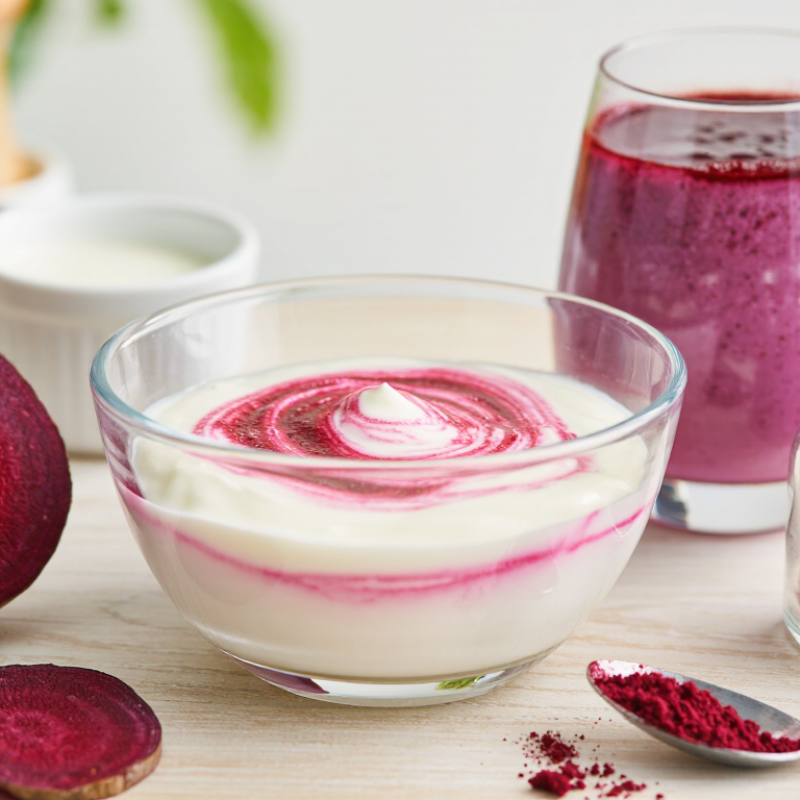
Beetroot powder is usually made by drying and finely grinding whole beets. The result is concentrated and easy to stir into yogurt, oatmeal, or a glass of water. Its color is vivid. A small spoonful can turn pale batter deep magenta, though the earthy taste may take getting used to.
The powder can provide naturally occurring nitrates, betalain pigments, and minerals such as potassium. It may also contain folate and some dietary fiber, but amounts depend on the beets and how they were processed. Drying removes much of the water, so nutrients appear concentrated by weight. Still, powder is not nutritionally identical to fresh beetroot. Some fiber and heat-sensitive compounds may be reduced during processing. Not every product is the same.
Check the nutrition label for serving size, added sugars, and other ingredients. A teaspoon may look modest, but serving measures vary between products. Mix it thoroughly; dry powder can clump against the sides of a cup. I would not assume a brighter color means greater nutritional value. That is an easy mistake. Store the container tightly closed and away from heat and moisture, since damp powder can cake and lose quality.
How to Use Powdered Beets for Maximum Benefits? — Understanding Beetroot Powder and Its Nutritional Profile
Raw beetroot provides carbohydrates, including natural sugars, along with dietary fiber and a smaller amount of protein. These USDA FoodData Central values are a fresh-beet reference—not a measurement of beetroot powder. Powder nutrition varies by product and serving size, so check its label and mix it into foods or drinks according to the serving directions.
Choosing and Storing Beetroot Powder
When choosing beetroot powder, read the ingredient list before comparing color or price. A simple product should clearly identify beetroot, without unnecessary sweeteners or fillers. Check the package for an expiry date, an intact seal, and clear storage guidance. If available, look for information about sourcing and quality testing. Powder can vary in shade and earthy aroma; neither alone proves freshness. That is easy to misread.
At home, keep the powder in its original tightly sealed pouch or a clean, airtight container. Store it in a cool, dry cupboard, away from sunlight, steam, and the stove. Moisture can cause clumps and may shorten its shelf life. Use a clean, dry spoon, then close the container promptly. If the powder develops an unusual smell, visible moisture, or signs of contamination, do not use it. I would not judge quality by vivid color alone; processing and beet variety can affect appearance.
Tips: Buy a quantity you can use before its expiry date. Keep it dry. Write the opening date on the container if you tend to forget. A small clump may be harmless, but persistent dampness deserves caution.
Measuring and Mixing the Powder Correctly
Measure powdered beets with the serving size on the package, since powders differ in density and concentration. A kitchen scale gives a more consistent amount than a teaspoon. No scale? Use a level measuring spoon, not a packed one. For a first serving, consider starting below the labeled amount to check the taste and your tolerance. Follow the package directions, especially if you take medication or have a health condition; ask a healthcare professional when unsure. Small details matter.
For a smoother drink, stir the powder into a splash of cool water first, making a thin paste. Then add the rest of the liquid while stirring. Clumps happen. A small whisk or shaker bottle can help, though a blender works well for smoothies. Mix it into yogurt or oatmeal, too; add a little at a time so the earthy flavor doesn’t take over. Taste before adding more. If the texture feels gritty, let the mixture sit briefly, then stir again. I find this step easy to skip, and usually regret it. Store the powder tightly sealed in a cool, dry place, and use a dry spoon to keep moisture out.
Adding Beetroot Powder to Everyday Foods and Drinks
Beetroot powder can add color and an earthy, slightly sweet taste to everyday meals. Stir a small amount into yogurt, oatmeal, or pancake batter, then adjust the quantity to suit your palate. It may clump in cold liquids, so mix it first with a splash of water or juice. That extra step helps. A smoothie with berries, banana, and plain yogurt can balance its earthy flavor without much added sweetness. For savory food, try mixing a little into hummus or a simple salad dressing.
Use the serving guidance on the package, since powders can differ in concentration and nitrate content. A brighter color does not mean a stronger nutritional effect. Beetroot powder can stain spoons, countertops, and pale fabrics, so wipe spills promptly. The flavor may also dominate delicate foods; honestly, it is easy to add too much. If you have a history of kidney stones or follow a medically restricted diet, ask a healthcare professional whether beet products fit your needs. Treat the powder as an ingredient, not a substitute for varied meals.
Using Beetroot Powder Safely and Consistently
Beetroot powder is easiest to use when the serving is measured, not guessed. Follow the package directions, and begin with less if you have never tried it. Mix it into water, yogurt, or oatmeal; a shaker bottle helps, though fine powder can cling to the sides. Earthy flavor is normal. A little citrus can soften it.
Use it consistently only if it suits your routine, rather than chasing a large dose. Pair it with a familiar meal or morning drink, and note how your stomach responds. Beetroot may turn urine or stool pink or red for a short time. That can be startling. If color changes persist or come with pain, seek medical advice; do not assume the powder is the cause.
People taking blood-pressure medicines, or living with kidney disease or a history of kidney stones, should ask a healthcare professional before regular use. Beetroot can affect blood pressure, and beetroot products may contain oxalates. Keep the container dry and sealed, and use a clean spoon. Tolerance varies. The routine may need adjusting.
How to Use Powdered Beets for Maximum Benefits? - Using Beetroot Powder Safely and Consistently
| Use consideration | Practical guidance | Why it matters |
| Choose a serving | Use the serving size on the product label. If measuring by weight, use a kitchen scale rather than assuming every scoop or teaspoon weighs the same. | Powder density and serving sizes vary, and there is no single standardized dose for all beetroot powders. |
| Mix it into food or drink | Stir the measured serving into water, a smoothie, or yogurt, or add it to a meal. Follow label directions for liquid amounts and preparation. | A familiar routine can make regular use easier. Beetroot powder may color foods and drinks deep red or purple. |
| Be consistent | If you choose to use it, take the label-directed serving consistently and note how you feel. Do not increase the amount to try to speed up results. | Beetroot products differ in composition, so consistent use of the same product makes your routine easier to track. |
| Set realistic expectations | Dietary nitrate in beetroot may help lower blood pressure modestly for some people. Effects vary, and beetroot powder is not a substitute for prescribed treatment. | Nitrate content can vary substantially between products and may not be stated on the label. |
| Exercise use | Do not assume a scoop provides the nitrate amount used in exercise studies. Follow the product directions, and try it during training rather than for the first time before an important event. | Research findings depend on the nitrate dose and product formulation; ordinary beetroot powders may not be equivalent to studied preparations. |
| Check medications and health conditions | Ask a healthcare professional before regular use if you take blood-pressure or nitrate medicines, have kidney disease or a history of kidney stones, or have been advised to limit dietary oxalate. | Beetroot may affect blood pressure, and beetroot contains oxalate; individual risks and medication plans should be considered. |
| Know what can be harmless | Reddish or pink urine or stool can occur after eating beetroot. Seek medical advice if the color persists after stopping beetroot or you are unsure whether it is blood. | Beet pigments can temporarily change urine or stool color, a harmless effect known as beeturia. |
| Store it properly | Keep the powder sealed in a cool, dry place and use a clean, dry scoop. Follow the package storage instructions and discard it if its appearance or smell changes. | Limiting moisture and contamination helps maintain product quality. |
General information only. Product directions and advice from a qualified healthcare professional should take priority.