Global buyers are rethinking how energy products fit modern lifestyles. Consumers want steady focus, convenient nutrition, and clearer ingredient information. This shift makes healthy energy drinks an interesting category for international sourcing. However, popularity alone does not prove product quality.
A credible supplier should explain every ingredient, serving size, caffeine level, and production step. Buyers can request laboratory reports, allergen controls, stability data, and traceability records. Independent testing can verify label accuracy and microbial safety. Certifications may support trust, but they should match the target market and product claims. Local regulations also differ, especially for caffeine, vitamins, sweeteners, and advertising language. One formula may not suit every country.
Supply reliability matters just as much as the recipe. Sourcing teams should inspect facilities, review batch consistency, and confirm realistic production capacity. They should also examine packaging performance during long ocean shipments. A dented can, faded label, or separated drink can damage a brand quickly. Sustainable materials may strengthen the offer, although costs and recycling systems vary widely. Health positioning also requires restraint. “Clean” does not automatically mean healthier, and natural ingredients still need careful evaluation. Some assumptions fail.
Practical sourcing experience shows that transparent communication creates stronger partnerships than impressive promises. Buyers should compare evidence, taste, shelf life, and consumer feedback before committing. Small pilot orders can reveal problems hidden in presentations. That step may feel slower, but it protects quality and reputation across markets. Reliable global sourcing is not only about finding a trend. It is about building a verifiable, practical, and responsible beverage program.
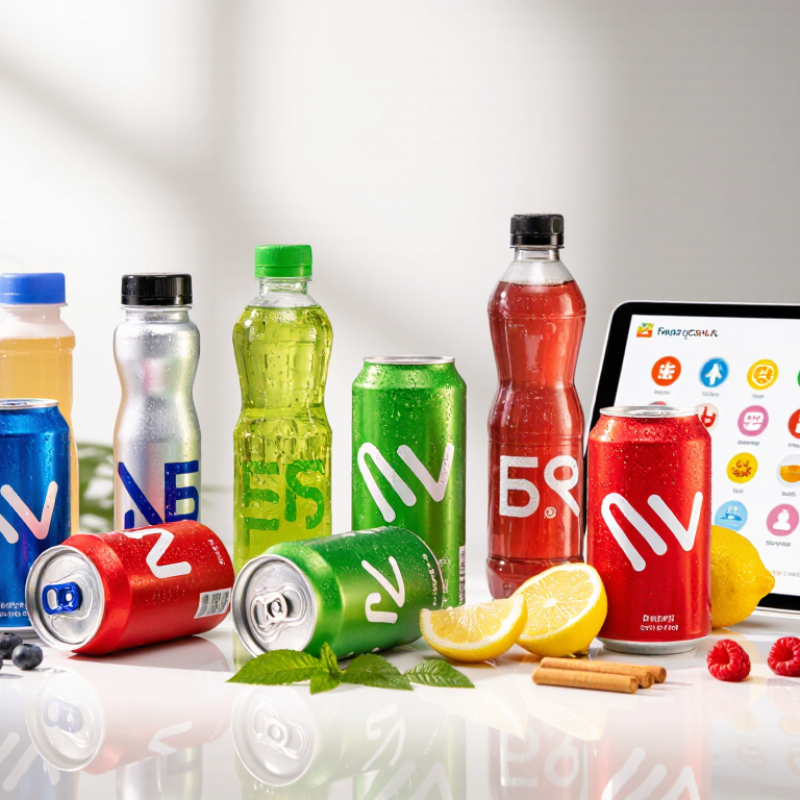
What Defines a Healthy Energy Drink?
A healthy energy drink starts with controlled stimulation, not a dramatic promise. The European Food Safety Authority’s 2015 Scientific Opinion identifies 400 mg of caffeine per day as a level generally without safety concern for healthy adults. It also notes that single doses up to 200 mg are usually acceptable. Responsible formulas should display caffeine clearly per serving and per container. Serving size matters.
Sugar is another practical measure. The World Health Organization recommends limiting free sugars to below 10% of daily energy intake, with additional benefits below 5%. A sourcing team should therefore examine added sugars, sweeteners, calories, and portion size together. “Low sugar” alone does not define health. Some drinks may contain useful electrolytes, but that does not automatically make them suitable for daily use.
A credible product also needs transparent labeling, stable ingredients, and testing records from qualified laboratories. Local rules still differ. Codex guidance can support international alignment, but destination-market requirements must be checked separately. In supplier reviews, I would request caffeine verification, contaminant testing, shelf-life data, and evidence behind every nutrition claim. The label can still confuse.
No formula is perfect. Clean ingredients may increase cost, reduce flavor intensity, or shorten shelf life. That trade-off deserves honest discussion before global sourcing decisions are made.
Evidence-based sourcing criteria for evaluating energy drinks without relying on company or brand-specific data
| Evaluation Dimension | Evidence-Based Benchmark | Why It Matters | Recommended Sourcing Check | Reference Basis |
|---|---|---|---|---|
| Product Definition | No single globally accepted legal definition of “healthy energy drink” exists. | Healthfulness should be assessed through measurable nutrition, safety, labeling, and formulation criteria rather than marketing language alone. | Require documented specifications | Food regulations and nutrition standards vary by market. |
| Caffeine Content | For healthy adults, total caffeine intake up to approximately 400 mg per day is generally considered a level not expected to cause safety concerns. | Excessive caffeine may contribute to nervousness, insomnia, increased heart rate, or gastrointestinal discomfort in sensitive individuals. | Verify caffeine per serving, container, and recommended daily intake; provide clear warnings. | U.S. FDA and EFSA safety assessments. |
| Single-Serving Caffeine | A single dose of up to approximately 200 mg is generally regarded as safe for healthy adults under normal conditions. | Consumers may drink more than one serving, so serving size and container size must be clearly stated. | Check whether the package contains one or multiple servings and whether the caffeine amount is prominently displayed. | EFSA scientific opinion on caffeine safety. |
| Added and Free Sugars | Lower sugar is preferable; WHO recommends limiting free sugars to less than 10% of daily energy intake, with additional benefits below 5%. | High sugar intake increases calorie density and is associated with higher risks of dental caries and unhealthy weight gain. | Compare total sugars and added sugars per serving and per 100 ml; avoid misleading “natural energy” claims. | World Health Organization guideline on sugars intake. |
| Calorie Density | A lower-calorie formulation can help consumers manage total daily energy intake, especially when sugar is reduced. | Energy drinks are commonly consumed in addition to meals, so unnecessary calories can accumulate quickly. | Review calories per serving, per container, and per 100 ml; confirm consistency across export markets. | Nutrition-label evaluation principle. |
| Hydration Support | Water should be the primary beverage for routine hydration; caffeine-containing drinks should not be positioned as a substitute for water in all situations. | Hydration needs vary with exercise, climate, illness, and individual health status. | Assess water content, electrolyte levels, serving instructions, and claims related to exercise or heat. | General hydration guidance from public-health authorities. |
| Electrolytes | Electrolytes should be included at meaningful, declared levels only when the product has a clearly defined use case. | Electrolytes may be relevant during prolonged sweating, but their presence alone does not make a drink healthy. | Request laboratory results for sodium, potassium, and other declared minerals; verify permitted claims in each target market. | Sports nutrition and food-labeling principles. |
| Functional Ingredients | Each botanical, amino acid, vitamin, or mineral should have a declared quantity, safety assessment, and regulatory status. | “Natural” does not automatically mean safe or effective, and ingredient restrictions differ between countries. | Require the full formula, certificates of analysis, allergen information, and market-specific compliance review. | Ingredient safety and regulatory due-diligence practice. |
| Vitamin and Mineral Fortification | Fortification should provide a meaningful but appropriate amount without encouraging excessive intake from multiple supplements and foods. | Added micronutrients may support a product’s nutritional positioning, but more is not necessarily better. | Check nutrient quantities per serving, reference values, upper intake considerations, and local labeling rules. | National nutrient reference values and applicable food regulations. |
| Sweetener Profile | Sugar reduction may be achieved with non-sugar sweeteners, but the selected sweeteners must be approved for the destination market. | Sweetener acceptability, labeling requirements, and consumer preferences differ across regions. | Confirm sweetener identity, quantity, regulatory approval, sensory stability, and required advisory statements. | Applicable national food-additive regulations. |
| Alcohol Combination | Energy drinks should not be promoted as a means to counteract alcohol-related impairment. | Caffeine may reduce the perception of tiredness without reducing alcohol impairment, creating potential consumer-safety risks. | Prohibit co-use or co-marketing claims with alcohol and review all promotional materials for compliance. | Public-health guidance on caffeine and alcohol combinations. |
| Target Consumer | Products should include clear suitability guidance for children, pregnant or breastfeeding women, and caffeine-sensitive consumers. | These groups may require lower caffeine intake or avoidance depending on medical and regulatory guidance. | Include market-appropriate warnings and avoid child-directed positioning unless specifically permitted and substantiated. | Public-health and regulatory guidance on caffeine-sensitive populations. |
| Label Transparency | The label should disclose serving size, caffeine amount, sugars, calories, ingredients, allergens, and storage information. | Transparent labeling enables consumers, importers, and regulators to evaluate the product accurately. | Review multilingual labels, nutrition panels, claims, lot coding, and country-specific mandatory statements. | International food-labeling compliance practice. |
| Quality and Testing | Finished products should meet documented specifications for identity, microbiological safety, contaminants, and shelf life. | Consistent testing helps reduce supply-chain, safety, and import-compliance risks. | Request certificates of analysis, stability data, batch records, and independent or accredited laboratory results where appropriate. | Food-safety management and quality-control principles. |
| Global Sourcing Suitability | The formulation, packaging, claims, and documentation should be adaptable to the regulations of each destination market. | A product that is compliant in one country may require reformulation, relabeling, or additional documentation elsewhere. | Complete a country-by-country regulatory review before production and shipment. | Destination-market import and food-regulatory requirements. |
Note: Nutritional thresholds and labeling requirements may differ by country. Final product claims should be reviewed against the regulations of each intended destination market.