2025 Top 10 Food Contract Manufacturing Trends Shaping the Industry
As the food industry continues to evolve, food contract manufacturing emerges as a pivotal sector that adapts to consumer demands and technological advancements. In 2025, several trends are on the horizon that are set to reshape this dynamic field. Companies are increasingly turning to food contract manufacturing not only for efficiency and cost-effectiveness but also to enhance their market reach in a competitive landscape. The rise of health-conscious consumers and the push for sustainable practices are influencing manufacturers to innovate and revitalize their offerings, leading to a redefinition of standard practices in the industry.
This article will explore the top 10 trends that are expected to significantly impact food contract manufacturing by 2025. From the integration of advanced technologies such as automation and artificial intelligence to the growing importance of transparency and traceability in supply chains, these trends reflect a broader shift towards a more agile and responsive manufacturing environment.
With an emphasis on quality, safety, and sustainability, food contract manufacturers are poised to play a crucial role in meeting the demands of modern consumers while navigating the complexities of global markets. As we delve into these trends, it becomes clear that the future of food contract manufacturing is not only about production but about creating value through innovation and adaptability.
Emerging Technologies Revolutionizing Food Manufacturing Processes
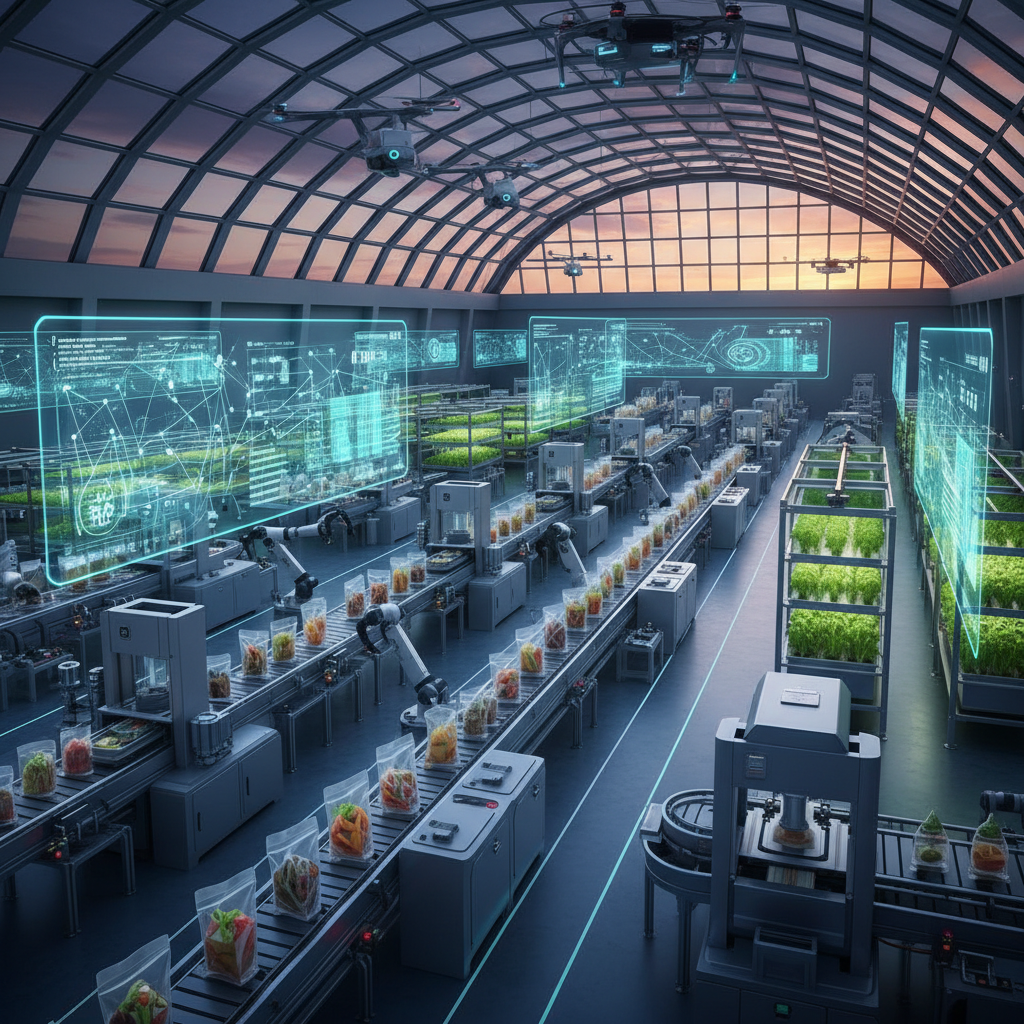
The landscape of food contract manufacturing is evolving rapidly, driven by emerging technologies that revolutionize production processes. According to a recent report by Grand View Research, the global food contract manufacturing market is projected to reach $48.68 billion by 2025, a robust increase propelled by innovations in automation and data analytics. These technologies not only enhance efficiency but also enable manufacturers to meet the growing consumer demand for personalized and sustainable food products.
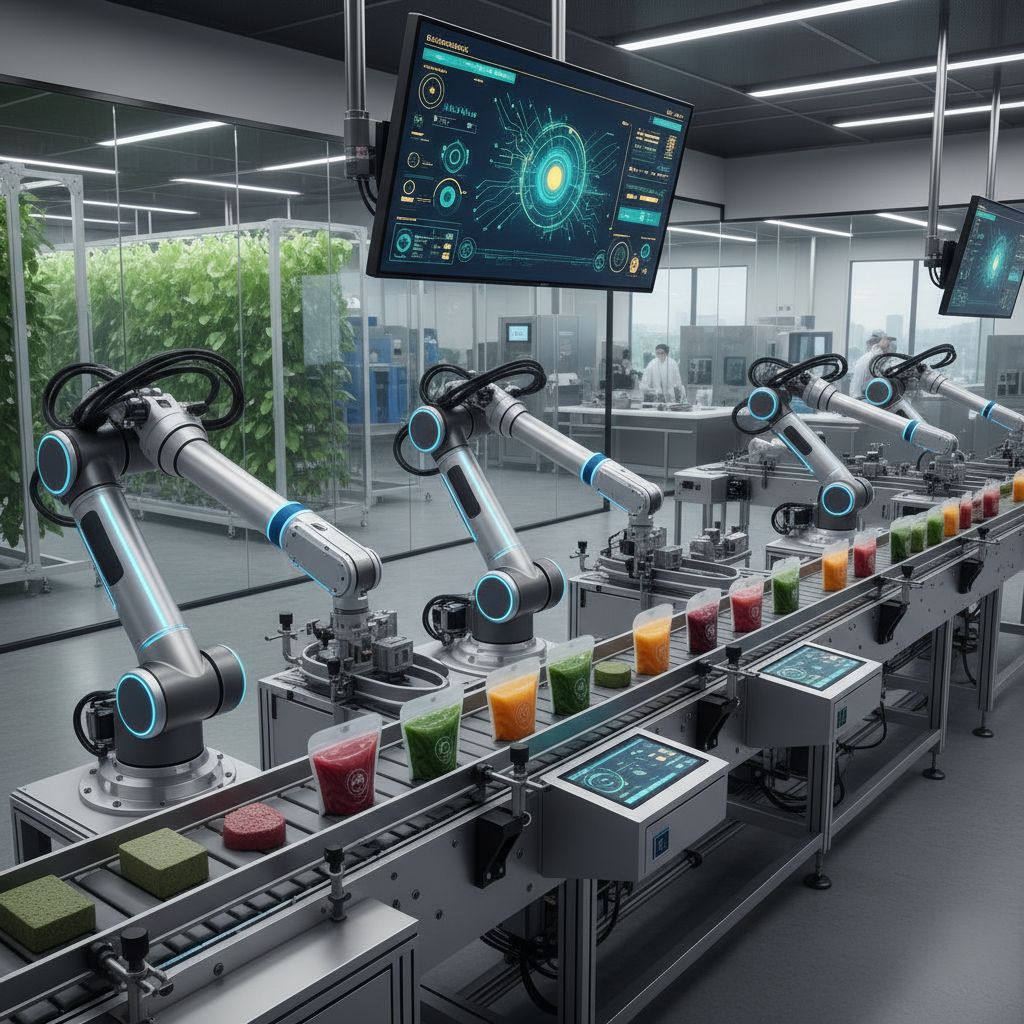
One notable trend is the integration of artificial intelligence (AI) and machine learning in manufacturing processes. A survey conducted by McKinsey indicated that 75% of food manufacturers are exploring AI to optimize supply chains and improve product quality. This shift towards intelligent systems facilitates real-time decision-making and minimizes waste, aligning with sustainability goals. Additionally, advancements in Internet of Things (IoT) technologies allow for real-time monitoring of production environments, ensuring consistency and safety while providing valuable data for continuous improvement. As companies embrace these technologies, they are not only enhancing operational efficiency but also positioning themselves to adapt to the ever-changing market demands.
Sustainability Practices: Redefining Food Production Standards
The food contract manufacturing industry is undergoing a transformative shift towards
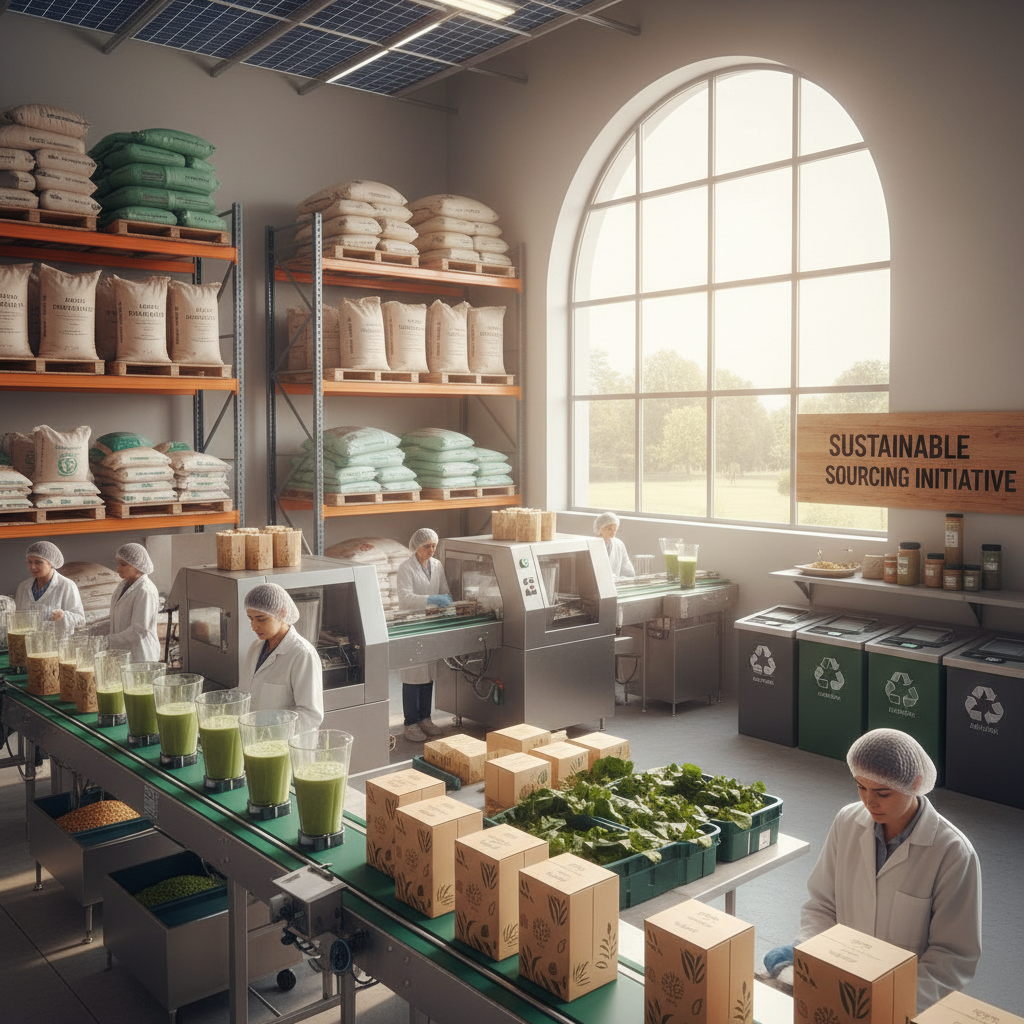
sustainability practices that are redefining production standards.
According to a recent report by Grand View Research, the global organic food and beverage market
is expected to reach $620 billion by 2025, driven
by increasing demand for environmentally friendly products. This trend underscores the importance
of integrating sustainable sourcing and eco-friendly practices into the
manufacturing process to meet consumer expectations and regulatory standards.
Manufacturers are now prioritizing sustainable practices such as
reducing waste through innovative production techniques and
utilizing renewable energy sources. For instance, the Food and Agriculture Organization (FAO) highlights
that approximately one-third of all food produced for human consumption is wasted, which has prompted
the industry to adopt more efficient supply chain management and waste reduction strategies. By embracing
these changes, companies not only enhance their environmental credibility but also tap into a growing
market segment committed to sustainability, which could account for nearly 50% of consumers’ purchasing decisions by 2025, as per a Nielsen report.
These statistics reveal the critical impact of sustainability on the food contract manufacturing landscape
and its role in shaping a more responsible and resilient industry.
The Role of Personalization in Food Product Development
Personalization is emerging as a key trend in food product development, transforming the landscape of food contract manufacturing. As consumers increasingly seek products that cater to their unique tastes, dietary restrictions, and lifestyle choices, manufacturers are adapting by offering tailored solutions. This shift is driven by advances in technology, enabling brands to gather data on consumer preferences and behaviors. With insights from personalized analytics, food manufacturers can innovate faster, creating offerings that align closely with what customers truly desire.
Moreover, the emphasis on personalization also extends to packaging and branding. Consumers today expect more than just a product; they want a personalized experience that reflects their identity. This has prompted contract manufacturers to collaborate closely with brands, ensuring that packaging not only protects the product but also resonates with targeted demographics. As a result, food brands are developing customizable options that empower consumers to engage in their product's creation, leading to enhanced customer loyalty and satisfaction. By embracing this trend, manufacturers are positioning themselves at the forefront of a dynamic industry that prioritizes individual consumer experiences.
2025 Top 10 Food Contract Manufacturing Trends - The Role of Personalization
This chart illustrates the top 10 trends in food contract manufacturing shaping the industry in 2025, with a focus on the growing role of personalization in product development.
Digital Supply Chain Management in Food Contract Manufacturing
Digital supply chain management is revolutionizing the food contract manufacturing industry by enhancing transparency, efficiency, and responsiveness. As companies increasingly embrace technology, the integration of digital tools enables real-time tracking of ingredients and finished products throughout the supply chain. This shift not only improves inventory management but also allows manufacturers to respond swiftly to market changes and consumer demands. Enhanced data analytics play a crucial role in predicting trends and optimizing production processes, ensuring that manufacturers can maintain a competitive edge.
Furthermore, digital supply chain management facilitates better collaboration between stakeholders, including suppliers, manufacturers, and distributors. Cloud-based platforms and advanced communication tools streamline information sharing, reducing delays and inaccuracies in order fulfillment. By fostering collaboration, companies can innovate faster and adapt to regulatory changes and food safety standards more effectively. As the food contract manufacturing landscape becomes increasingly complex, leveraging digital supply chain solutions will be essential for businesses striving to enhance operational efficiency and customer satisfaction.
Consumer Trends Driving Innovation in Food Contracting Services
In recent years, consumer preferences have undergone significant transformations, directly influencing the innovations within food contract manufacturing. A rising demand for healthier, plant-based options has prompted manufacturers to adapt their processes and product lines to meet these expectations. This shift highlights the importance of using sustainable ingredients and environmentally friendly packaging, as consumers increasingly lean towards brands that demonstrate
social responsibility and transparency in their sourcing practices.
Additionally, the growing trend towards personalization in food products has pushed contract manufacturers to harness advanced technology and data analytics. By understanding consumer behaviors and preferences, companies can offer tailored solutions, from flavor profiles to nutritional content, ultimately enhancing the customer experience. As e-commerce continues to thrive, contract manufacturing is also evolving to accommodate direct-to-consumer models, allowing brands to respond swiftly to market trends while maintaining product quality and compliance.