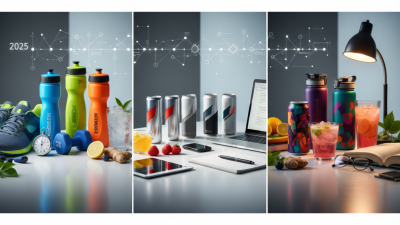
2026 Best Beverage Development Trends for Global Buyers?
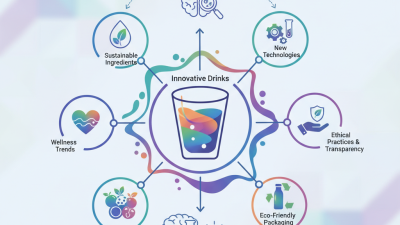
As the global beverage industry evolves, understanding beverage development trends is crucial for buyers. Emerging statistics reveal that the global beverage market is projected to reach $1.8 trillion by 2026. This growth reflects changing consumer preferences and the impact of health-conscious choices. Industry experts point out that sustainability and innovation are top priorities. This includes plant-based alternatives and low-sugar formulations.
Moreover, a report by Grand View Research indicates that the health beverage segment alone could grow at a compound annual growth rate of 6.5% from 2023 to 2030. Innovative flavors and functional ingredients are also gaining traction. However, there remains a challenge in balancing taste and health. Many consumers still favor indulgent options despite the rise of wellness trends.
The beverage development landscape is complex. Buyers must navigate this shifting terrain while aligning with consumer needs. Trends may promise opportunities, yet they require critical analysis to ensure long-term success. As buyers look ahead, being informed about these developments is essential for making strategic decisions in a competitive market.
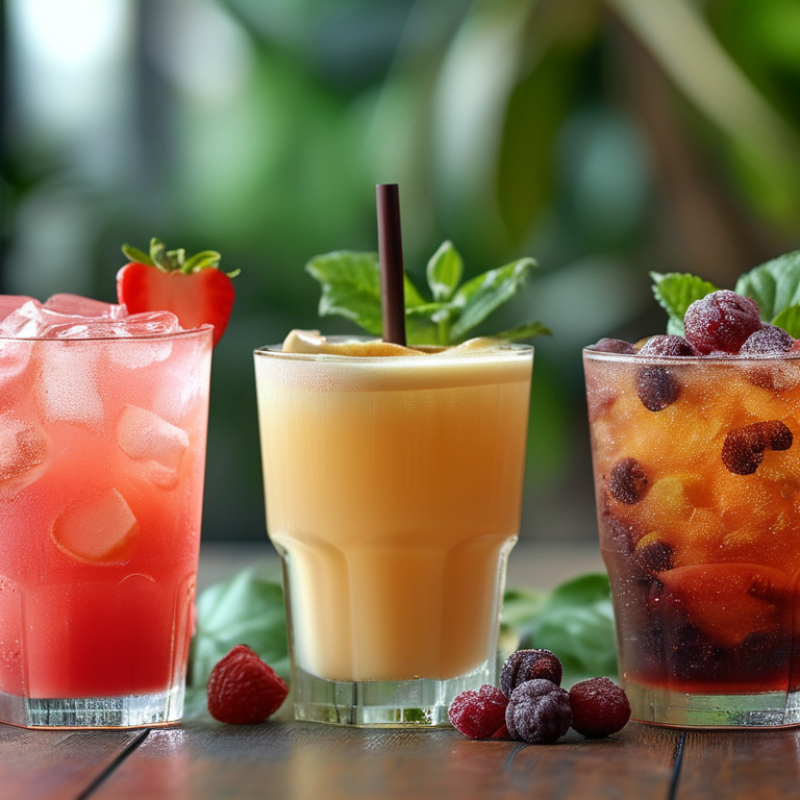
Emerging Flavor Profiles Influencing Beverage Innovation in 2026
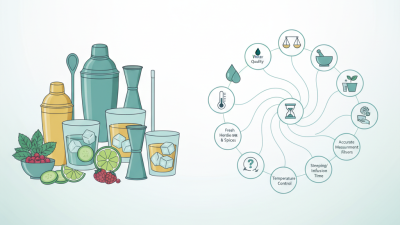
The beverage industry is witnessing a surge in innovative flavor profiles heading into 2026. Data from recent market reports indicate that 57% of consumers are seeking novel taste experiences. This trend suggests a shift from traditional flavors to more adventurous combinations. For instance, savory flavors and unexpected integrations, like blended herbs and spices, are gaining popularity. This is indicative of a broader movement toward complex, layered tastes that challenge the palate.
One standout trend is the incorporation of globally inspired ingredients. Superfoods like turmeric and matcha are transforming drinks beyond health-focused options. Health-conscious consumers are now looking for beverages that are not only flavorful but also functional. A report by Euromonitor highlights that functional beverages are projected to grow by 20% over the next three years. This creates opportunities for brands to innovate by layering flavors with health benefits.
Tips for brands: Experiment with bold, unexpected flavor pairings to attract curious consumers. Pay attention to flavor layering; it adds depth and intrigue. Remember, consumers want more than one-dimensional drinks – they crave experiences. Additionally, stay informed about emerging flavors in global markets, as they can provide inspiration for unique product offerings. Continuous market research is essential to adapt to shifting consumer preferences in this dynamic landscape.
Sustainability Practices Shaping Beverage Production and Packaging Trends
As sustainability practices gain traction, they profoundly influence beverage production and packaging. Brands are integrating environmentally friendly materials into their products. For instance, recycled and biodegradable packaging is becoming commonplace. This shift not only reduces waste but also appeals to increasingly eco-conscious consumers.
Tips: Consider sourcing local ingredients. This supports local economies and decreases transportation emissions.
Companies are rethinking their supply chains. Transparency is essential. Consumers want to know where their products come from and how they are made. This demand is pushing brands to adopt more ethical sourcing practices. However, not all companies are fully committed yet. Some may focus on 'greenwashing' instead of genuine change.
Tips: Engage consumers with transparency. Share your sustainability journey through your website or social media.
Innovation is also key to promoting sustainable practices. From water-saving production methods to energy-efficient machinery, companies are continually searching for ways to minimize their environmental footprint. Yet, the journey towards true sustainability is ongoing. There’s always room for improvement in packaging design and material choices.
Health and Wellness Trends Driving Beverage Formulation Changes
The beverage industry is rapidly evolving, largely driven by health and wellness trends. Recent data shows that 77% of consumers actively seek beverages with health benefits. This shift has prompted brands to reformulate drinks, focusing on natural ingredients and functional benefits. Ingredients like adaptogens, probiotics, and plant-based extracts are becoming staples in beverage formulation.
Incorporating these elements can improve health perceptions and attract new consumers. For example, a report by the International Beverage Association noted a 30% increase in sales for drinks labeled as "functional" in the last year. However, many companies struggle with balancing taste and health benefits in their products. Ensuring flavor isn't sacrificed for nutrition is a constant challenge.
**Tip:** Always engage your audience with flavors they recognize. Simple additives may enhance health benefits while maintaining taste. Explore consumer feedback to understand their preferences. Baking in transparency about ingredient sourcing is also essential.
While trends continue to shape the market, brands must remain adaptable. Not every innovation resonates with consumers. Continuous market research is vital to align product offerings with shifting consumer demands. Ultimately, the emphasis on health and wellness will define future success in the beverage sector.
2026 Best Beverage Development Trends for Global Buyers
| Trend |
Description |
Target Audience |
Projected Growth (%) |
| Functional Beverages |
Beverages fortified with vitamins, minerals, and other bioactive compounds. |
Health-conscious consumers |
15% |
| Plant-Based Drinks |
Beverages made from plant sources like nuts, grains, and seeds. |
Vegans and Vegetarians |
20% |
| Low Sugar Alternatives |
Beverages formulated with natural sweeteners or low-calorie options. |
Diabetics, diet-conscious consumers |
10% |
| Immune-Boosting Ingredients |
Incorporation of ingredients known to support the immune system. |
General public, especially during cold seasons |
12% |
| Sustainable Packaging |
Use of eco-friendly materials for beverage packaging. |
Environmentally conscious consumers |
18% |
| CBD-Infused Beverages |
Drinks containing cannabidiol, valued for its calming effects. |
Young adults and wellness enthusiasts |
25% |
Technological Advancements Transforming Beverage Manufacturing Processes
Technological advancements are reshaping beverage manufacturing. Innovations in automation and data analytics are optimizing production efficiency. For instance, companies are adopting AI to streamline quality control. This technology allows for real-time monitoring, ensuring consistency across batches.
Additionally, eco-friendly practices are becoming essential. Many manufacturers are turning to sustainable materials for packaging. This not only reduces waste but also appeals to environmentally conscious consumers. The use of renewable energy sources is also on the rise, though implementing these changes can be challenging and costly.
While new technologies present opportunities, they also introduce risks. For instance, reliance on automated systems can lead to vulnerabilities. Staff training is crucial to address these gaps. Transitioning to new processes often uncovers unforeseen challenges. The journey to innovation in beverage production is filled with learning curves, demanding adaptability and foresight.
Consumer Preferences and Market Dynamics in the Global Beverage Landscape
The global beverage landscape is rapidly evolving. Consumer preferences are shifting towards healthier options. This trend highlights a growing awareness of wellness among buyers. Products infused with natural ingredients are becoming increasingly popular. Traditional sugary drinks are facing declines in demand. This reflects a broader cultural change in consumption habits.
Sustainability is another key factor influencing the market. Consumers are seeking eco-friendly packaging and sustainable sourcing. They want to connect with brands that share their values. This shift challenges producers to innovate continually. However, many struggle with balancing cost and sustainability.
Flavor exploration is also on the rise. Unique flavor profiles are appealing to adventurous consumers. Exotic flavors and mixes are gaining traction in various regions. Yet, some consumers remain cautious, preferring familiar tastes. This reflects the complexity of individual preferences in the beverage market. Adaptability is crucial for brands aiming to thrive in this environment.
2026 Best Beverage Development Trends