10 Best Beverage Formulation Techniques for Creative Drink Recipes?
The beverage industry is witnessing a rapid transformation, driven by emerging consumer preferences and health trends. According to a report by Allied Market Research, the global beverage market is projected to reach $2.3 trillion by 2026, highlighting the growing demand for innovative drink options. Beverage formulation has become essential in crafting products that not only satisfy taste buds but also align with consumer values.
Creative drink recipes emerge from effective beverage formulation techniques that blend flavors, textures, and nutrition. Ingredients like adaptogens and superfoods are gaining popularity, as 60% of consumers are now seeking beverages that offer health benefits. However, navigating these trends presents challenges. Brands must balance creativity with regulatory requirements and ingredient sourcing. This complexity invites reflection on sustainable practices and authentic ingredient sourcing.
In a rapidly evolving market, mastering beverage formulation is crucial for success. Crafting compelling flavors requires expertise and a willingness to experiment. It’s not just about innovation but also about understanding the lingering question: how can brands stay relevant without compromising their values? As the beverage landscape continues to evolve, the ability to adapt and refine these techniques will distinguish market leaders from the rest.
Understanding the Basics of Beverage Formulation Techniques
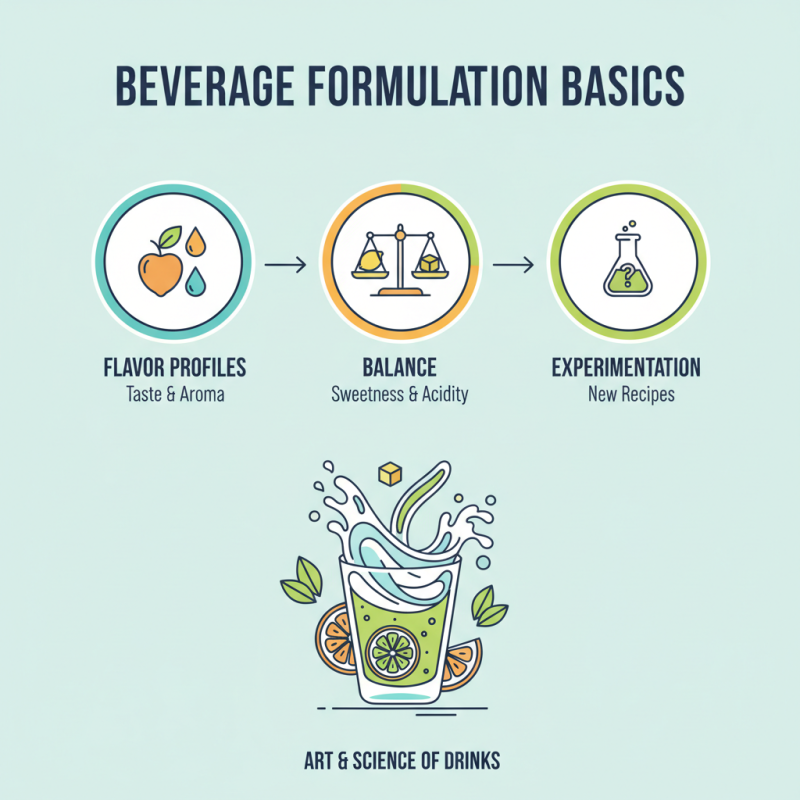
Beverage formulation is an art and science. Understanding the basics can spark creativity in drink recipes. One of the first steps is exploring flavor profiles. Each ingredient offers unique tastes and aromas. Balancing sweetness with acidity is essential. Think of how a splash of citrus brightens up a heavy drink. This approach invites more experimentation.
Another important aspect is texture. The mouthfeel of a drink plays a vital role. Adding carbonation can create excitement. Meanwhile, creamy textures can evoke comfort. Don't shy away from trying uncommon ingredients. It could lead to unexpected combinations. However, keep it simple. Striking a balance can be challenging. Sometimes, less is more.
Remember, formulation techniques require practice and patience. Mistakes can be insightful. A failed recipe can lead to a new concept. Reflecting on these outcomes will enhance your skills. Each creation should tell a story. When you pour a drink, think of the experience it provides. Crafting beverages is a thoughtful, evolving journey.
Key Ingredients and Their Roles in Drink Recipes
In the world of beverage formulation, understanding key ingredients is crucial. Each component plays a specific role that can dramatically influence flavor, texture, and aroma. For instance, acids like citric acid provide brightness and balance. A recent study in the Journal of Food Science emphasized that the right acidity can enhance overall taste perception by up to 30% in certain beverages.
Sweeteners also hold significant importance. Natural options, such as agave nectar or honey, can add complexity. However, it's essential to control sweetness. Studies show that overly sweet drinks can deter consumers. Research indicates that more than 40% of beverage buyers prefer drinks with moderate sweetness levels. This knowledge highlights the necessity of experimenting with various sweetening techniques.
Fats and emulsifiers are other critical players in drink formulation. Ingredients like coconut milk can create a creamy mouthfeel, enhancing consumer satisfaction. However, achieving the perfect blend can be tricky. Balancing these fat sources requires precise measurements. In trying to innovate, one might overlook the importance of consistency, which can undermine product quality and consumer trust. Developing a new beverage relies not just on creativity but also on understanding these fundamental components and their roles in crafting unique recipes.
Common Flavor Pairings and How to Use Them Effectively
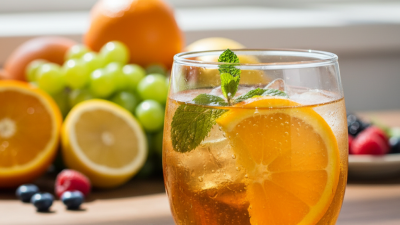
When creating unique beverage recipes, understanding flavor pairings is essential. Certain combinations can elevate a drink’s profile. For instance, citrus and herbs work harmoniously. Fresh basil elevates a lemonade, bringing a fresh twist. This pairing is a classic example of balancing sweetness with aromatic depth.
Another exciting pairing is fruit with spices. Berries with black pepper can surprise the palate. This combination can add complexity and a subtle kick. Ethereal notes emerge when balancing sweetness and heat. Consider crafting a drink with pomegranate and chili. It’s crucial to find the right ratio to avoid overwhelming flavors.
Experimentation is key in mixology. Mistakes can lead to unexpected discoveries. Not every combination will please the crowd, and that’s part of the journey. Document your trials, even the less successful ones. Reflecting on these experiences will sharpen your skills. It helps in understanding what works and what doesn’t. Constant exploration and willingness to adapt will ensure innovation in your drink recipes.
Innovative Techniques to Enhance Drink Texture and Presentation
Creating innovative drink textures and presentations is essential in the beverage industry. The presentation can greatly impact consumer perception. According to a report by the Beverage Marketing Corporation, visual appeal influences 67% of consumer purchasing decisions. Enhancing drink appearance can elevate the drinking experience and attract new customers.
Using techniques like foaming and layering can turn an ordinary drink into a stunning visual treat. For example, whipped froth can add a creamy texture. Colorful layers can create a mesmerizing effect. However, not all experiments yield success. Some layers may mix prematurely if not carefully executed. This highlights the importance of precision in beverage formulation.
Texture is equally crucial. Incorporating unconventional elements, like chia seeds or edible glitter, can transform a drink. A survey by the National Restaurant Association showed that 27% of consumers prefer drinks with unique textures. Yet, balancing flavor and texture can be challenging. Overdoing certain ingredients may overwhelm the palate. Careful consideration is vital to ensure the drink remains enjoyable while being visually striking.
Experimenting with Natural Sweeteners and Flavoring Agents
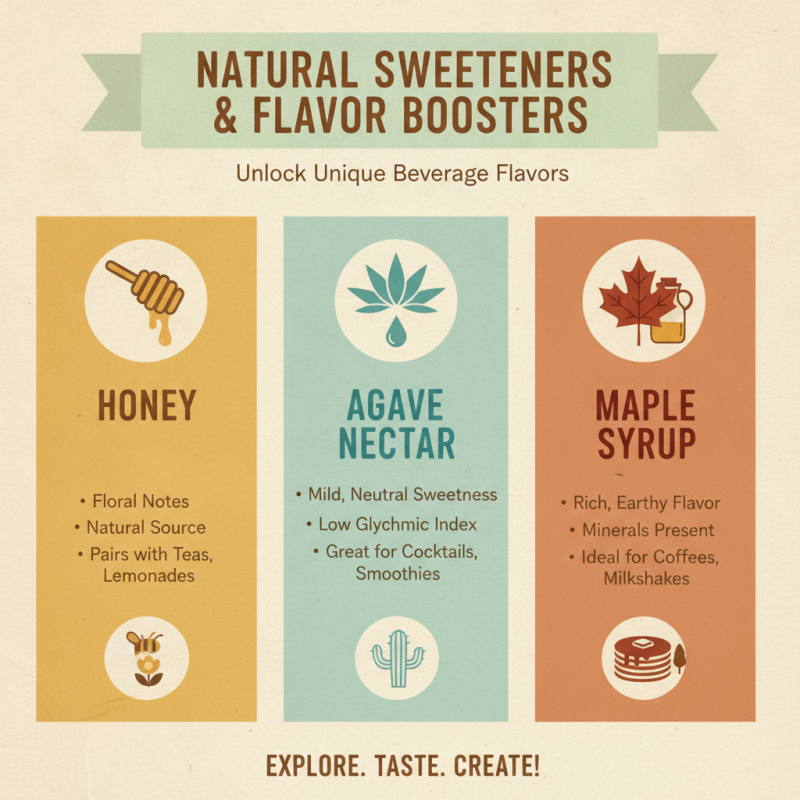
Experimenting with natural sweeteners can unlock unique flavors in beverage formulations. Many drink enthusiasts look for alternatives to refined sugars. Honey, agave nectar, and maple syrup are popular choices. Each of these sweeteners brings its own distinct taste profile. For instance, honey adds a floral note, while maple syrup offers a rich, earthy flavor. Trying these ingredients can lead to unexpected combinations.
Flavoring agents also play a crucial role in crafting creative beverages. Fresh herbs like mint or basil can elevate a simple drink. Citrus fruits add brightness and acidity. Spices, such as cinnamon or cardamom, can introduce warmth and complexity. The challenge lies in balancing these flavors. Too much of one ingredient can overpower others. Regular experimentation is essential to achieve the perfect taste. Reflecting on the process can lead to better decisions in future formulations. Combining different elements requires patience and practice, as every attempt can teach something valuable.