Best Glass Soda Bottles for Eco-Friendly Packaging Solutions?
In recent years, glass soda bottles have gained popularity as eco-friendly packaging solutions. As consumers become more environmentally conscious, brands are seeking sustainable options. Glass bottles not only reduce plastic waste but also enhance the product experience. They preserve the taste and carbonation of beverages better than plastic containers.
Many people often overlook the environmental impact of their beverage choices. Switching to glass soda bottles can significantly reduce harmful waste. However, this transition comes with challenges. Not all brands provide readily accessible glass packaging, and the cost can be higher compared to plastic.
As we explore the best glass soda bottles on the market, it’s essential to identify the balance between sustainability and practicality. Companies must prioritize eco-friendly practices while still appealing to consumers. By scrutinizing their choices, we can encourage a shift towards a greener future, one bottle at a time.
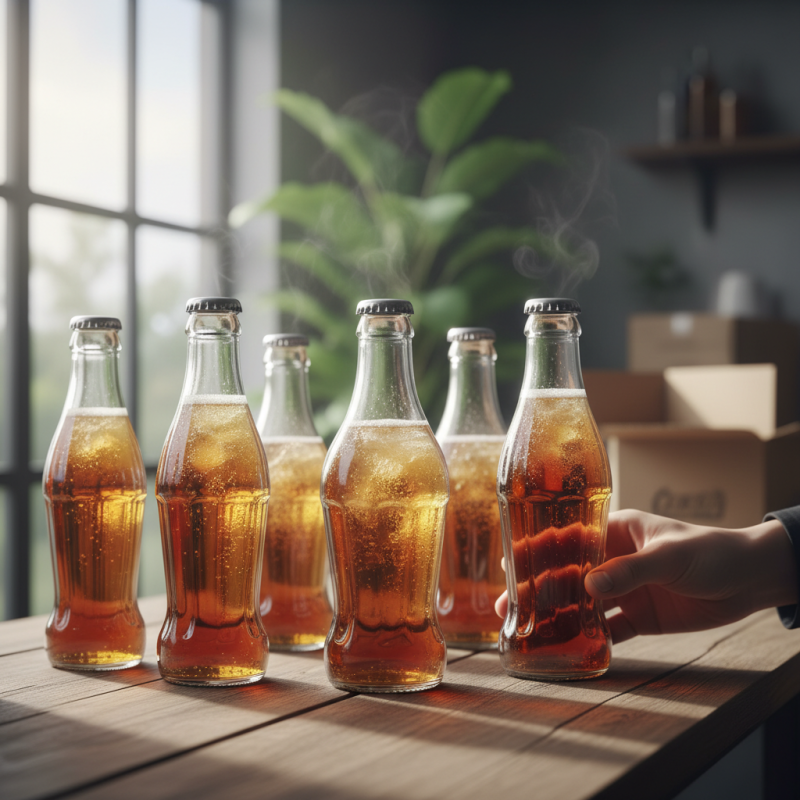
Overview of Glass Soda Bottles and Their Environmental Impact
Glass soda bottles are gaining attention as eco-friendly packaging solutions. Their environmental impact is significant. According to a 2021 report from the Beverage Industry Association, glass bottles are 100% recyclable. They can be recycled endlessly without loss in quality. This reduces the need for virgin materials, which ultimately lowers carbon emissions.
However, the production of glass also comes with challenges. The manufacturing process is energy-intensive. It involves high temperatures, which consume fossil fuels. Reports indicate that producing one ton of glass generates about 400 kilograms of CO2 emissions. Therefore, while glass bottles are recyclable, the initial production poses environmental questions.
Consumer behavior also plays a role. A study found that 70% of consumers prefer eco-friendly packaging. Yet, only 30% consistently recycle bottles. This gap needs attention. For better sustainability, education and incentives for recycling are essential. Companies can implement programs encouraging responsible disposal. Such initiatives could enhance the positive impact of glass packaging on the environment.
Best Glass Soda Bottles for Eco-Friendly Packaging Solutions
Advantages of Using Glass Bottles Over Plastic Alternatives
Glass bottles offer several advantages over plastic alternatives. They are recyclable and can be reused multiple times. Unlike plastic, glass does not leach harmful chemicals into drinks. This is crucial for health-conscious consumers. Many people appreciate the pure taste that glass bottles provide. They maintain freshness without any interference from materials.
In addition to health benefits, glass is environmentally friendly. It reduces waste, as glass can be recycled endlessly without losing quality. The production process is energy-intensive, but the lifecycle benefits outweigh this drawback. Using glass also promotes a sustainable mindset. Some may find it heavier to carry, but the durability compensates for this. One drawback is that glass can break easily, making it less convenient for some settings.
Despite these challenges, the shift towards glass bottles reflects a broader commitment to environmental responsibility. The aesthetic appeal of glass adds to its advantages, elevating the consumer experience. One should consider both the pros and cons when choosing packaging solutions.
Top Eco-Friendly Glass Soda Bottle Brands on the Market
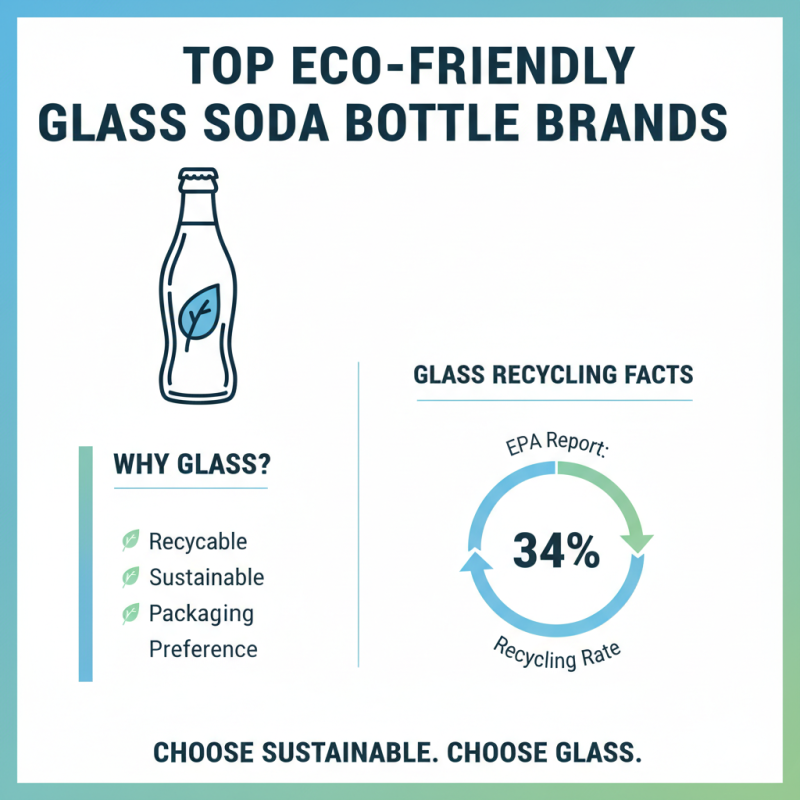
Eco-friendly packaging has become critical in today's market. Many consumers prefer glass soda bottles due to their recyclable nature. In fact, a recent report by the Environmental Protection Agency indicates that glass has a recycling rate of about 34%. This figure highlights the need for brands to consider sustainable options.
Numerous brands are shifting their focus to glass packaging. Some industry experts suggest that glass bottles can reduce carbon footprints by up to 50% when compared to plastic. This transition is not without its challenges. Many brands face higher production costs and consumer resistance to changes. However, the benefits of glass are clear. It is inert, durable, and can preserve flavor better than plastic.
Sometimes, brands struggle with sourcing raw materials. This can limit their ability to produce glass bottles sustainably. Despite these obstacles, the shift towards using glass is promising. As more consumers demand eco-friendly practices, companies may need to adapt quickly. Staying informed on trends and challenges will be essential for success in this market.
Innovative Designs in Glass Soda Bottles for Sustainability
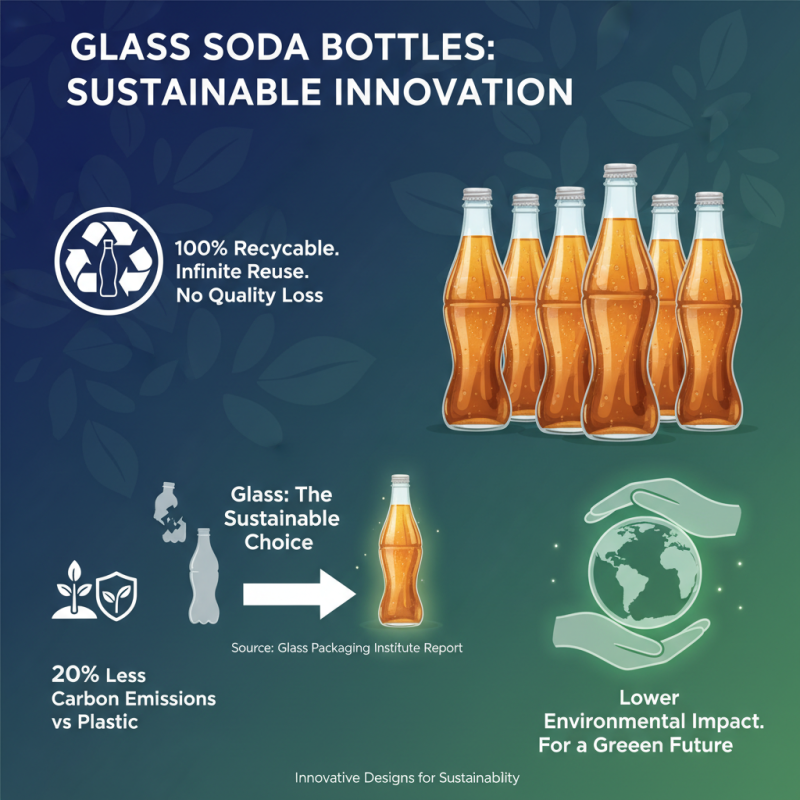
Innovative designs in glass soda bottles offer sustainable packaging solutions that reduce environmental impact. A report by the Glass Packaging Institute highlights that glass is 100% recyclable and can be reused indefinitely without loss of quality. This characteristic sets glass apart from plastic, which often degrades over time. Additionally, using glass can lower carbon emissions by 20% when compared to traditional plastic alternatives.
Eco-friendly designs in glass soda bottles are gaining popularity. Features such as lightweight construction and minimalistic designs reduce the amount of glass needed for production. Certain companies are exploring the use of biodegradable coatings to enhance the recycling process. Recent research indicates that these innovations can increase recycling rates by up to 30%. However, challenges remain, like the higher shipping costs of glass compared to plastic.
Tips: Consider using glass soda bottles with eco-label certifications when purchasing. Check local recycling regulations to ensure proper disposal. Look for brands that incorporate refillable systems for added sustainability. Sustainable design is an ongoing journey, and continuous innovation is crucial.
Tips for Recycling and Reusing Glass Soda Bottles Effectively
Glass soda bottles are a great eco-friendly option. They can be recycled and reused in various ways. Recycling glass reduces waste and saves resources. To recycle effectively, rinse bottles to remove any residue. Clean bottles are more likely to be accepted by recycling facilities.
Reusing glass soda bottles can be a fun and creative process. Consider turning them into planters or candle holders. These projects not only reduce waste but also add a unique touch to your home. You might explore crafting or upcycling ideas online to inspire your creativity.
However, not all ideas will work perfectly. Some bottles may break during crafting, creating frustration. Learning from these experiences is part of the journey. Embrace the process and find joy in your eco-friendly projects. Every effort counts in reducing environmental impact.
Best Glass Soda Bottles for Eco-Friendly Packaging Solutions
| Bottle Type |
Capacity (ml) |
Weight (g) |
Recyclability |
Reusability |
| Classic Soda Bottle |
355 |
300 |
Yes |
Yes |
| Vintage Style Bottle |
500 |
400 |
Yes |
Yes |
| Modern Twist Bottle |
750 |
550 |
Yes |
No |
| Mini Soda Bottle |
250 |
200 |
Yes |
Yes |
| Sparkling Water Bottle |
500 |
350 |
Yes |
Yes |