Best Private Label Sports Drinks for Global Buyers?
Private label sports drinks are gaining popularity among global buyers. These products offer unique opportunities for brands to stand out in the competitive beverage market. With health consciousness on the rise, consumers seek effective hydration solutions.
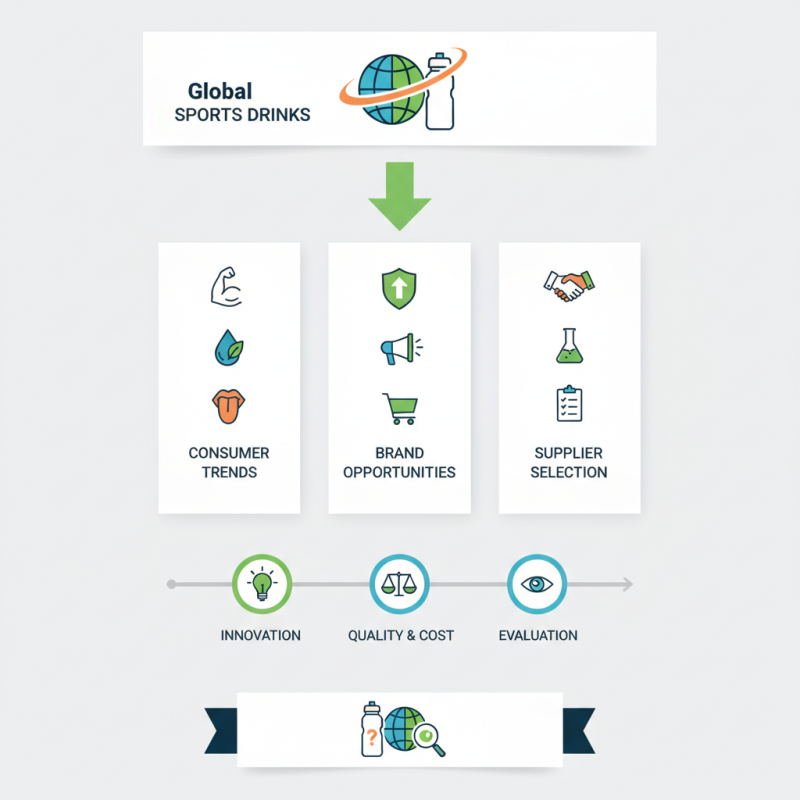
Finding the best private label sports drinks involves understanding consumer preferences and market trends. Flavor profiles, nutritional content, and packaging appeal are vital factors. Buyers need reliable suppliers who prioritize quality and transparency. However, not all options may meet high standards. It is crucial to evaluate ingredients and certifications.
As the industry evolves, brands should stay informed about innovations. Manufacturers are constantly testing new flavors and formulations. Some may succeed, while others could miss the mark. Striking a balance between quality and cost can be challenging for buyers. Therefore, careful consideration is essential when selecting private label sports drinks.
The Rise of Private Label Sports Drinks in Global Markets
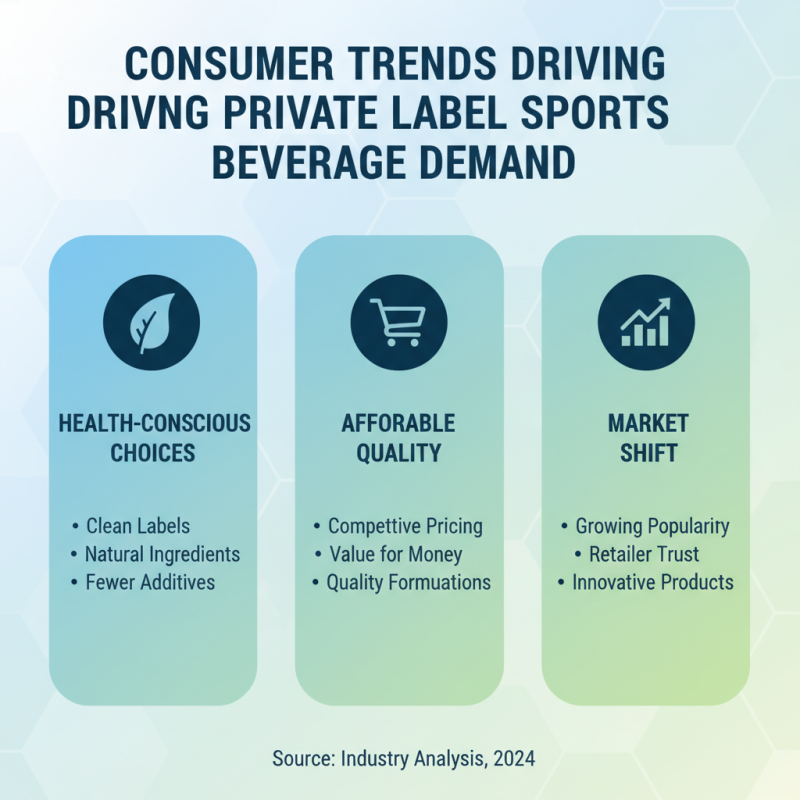
The rise of private label sports drinks is reshaping global markets. Market analysis suggests that this segment is expected to grow by over 10% annually. Consumers are increasingly looking for affordable, yet effective hydration options. This trend isn’t just about price; it’s also about meeting diverse consumer needs. Private labels often offer unique flavors and formulations that stand out in a crowded marketplace.
However, not all private label drinks deliver the promised benefits. This raises questions about quality and nutritional value. Data shows that while many brands are seeing growth, the competitive landscape can lead to subpar products. Buyers must carefully evaluate ingredient lists and nutritional profiles. Trustworthy certifications can also help in making informed choices.
Tip: Always compare nutritional facts before purchasing. Look for options that include electrolytes for recovery. Also, consider the source and processing of ingredients. Transparency is key to ensuring you get high-quality hydration. Another tip is to read customer reviews; these can provide invaluable insights into product performance and taste.
Key Market Players and Their Product Offerings in the Sports Drink Sector
The sports drink sector has seen significant growth, particularly in the single-serve and private label markets. According to market research, the global sports drink market is expected to reach approximately $30 billion by 2025. This indicates a healthy demand for diverse product offerings tailored to various consumer preferences. Private label brands have emerged as competitive players, often offering quality alternatives at lower price points.
Key market players in the sector include various firms that prioritize unique formulations. Some focus on natural ingredients, appealing to health-conscious consumers. Others emphasize performance enhancement with added electrolytes and vitamins. In fact, about 40% of consumers are influenced by ingredient transparency when selecting a sports drink. This reflects a growing trend towards clean-label products in the industry.
While the growth potential is evident, challenges remain. Some consumers question the efficacy of proprietary blends used by certain brands. There are also concerns regarding taste and mixability among some private labels. These hurdles highlight the importance of ongoing innovation and quality assurance in the formulation process. Addressing these issues could enhance consumer trust and brand loyalty, setting the stage for sustainable growth in this competitive market.
Nutritional Composition and Health Benefits of Popular Private Label Options
When considering private label sports drinks, nutritional composition is key. These beverages often offer hydration and energy, but their effectiveness varies. Most contain electrolytes, carbohydrates, and vitamins, which aid performance. Electrolytes, particularly sodium and potassium, help replenish what athletes lose during intense workouts. This balance is crucial for optimal muscle function and preventing cramps.
However, not all private label options are created equal. Some drinks may have added sugars that make them less healthy. It’s essential to check the label for sugar content and artificial ingredients. Hydration without excess calories is a challenge for many athletes. Many turn to zero-calorie or low-calorie options, but these may lack essential nutrients.
While taste is important, it should not compromise health. Some drinks that taste good might not provide adequate nutrition or hydration. Buyers may need to evaluate multiple options. Consider samples before fully committing to a brand. Always strive to find a balance between flavor and nutritional value. This ongoing process requires research and personal reflection.
Global Sales Data and Forecasts for Private Label Sports Drinks by Region
The private label sports drinks market is seeing significant growth across various regions. In North America, sales reached approximately $1.5 billion in 2022, driven by increasing health awareness and fitness trends. Forecasts suggest a steady annual growth rate of about 6% through 2028. This growth reflects a shift in consumer preference towards affordable yet effective hydration options.
In Europe, the situation mirrors that of North America. The market is projected to reach $1.2 billion by 2025. Factors contributing to this growth include rising participation in sports and an emphasis on performance recovery. However, competition remains fierce, leading to a need for innovation among private label brands. Brands must focus on unique flavors and formulations to stand out.
Asia-Pacific is emerging as a key player with a market value expected to exceed $800 million by 2026. The rising middle-class population is driving demand for convenient health drinks. Nevertheless, some markets are struggling with brand loyalty, presenting challenges for growth. Companies must adapt their strategies to address local tastes and preferences.
Best Private Label Sports Drinks for Global Buyers
| Region |
Sales (2023) |
Projected Growth (%) |
Market Share (%) |
| North America |
$2.5 Billion |
8.0% |
35% |
| Europe |
$1.8 Billion |
6.5% |
30% |
| Asia Pacific |
$1.2 Billion |
10.5% |
25% |
| Latin America |
$700 Million |
7.2% |
8% |
| Middle East & Africa |
$400 Million |
9.0% |
2% |