China Top Beverage Packaging Innovations and Trends for 2026?
The beverage packaging industry is on the cusp of transformative changes as we approach 2026. According to a report by Smithers Pira, the global beverage packaging market is projected to reach $230 billion by 2026, driven by sustainability and consumer preferences. Experts emphasize that innovation in beverage packaging is vital to meet the evolving demands. As noted by Dr. Rachel Chen, a leading expert in packaging technology, "The future of beverage packaging lies in efficiency and environmental responsibility."
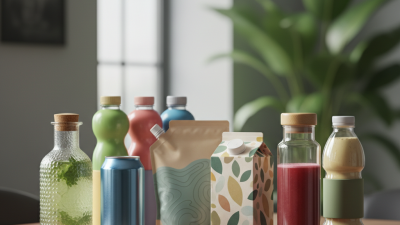
In recent years, brands have focused on eco-friendly materials and designs. This trend reflects growing consumer awareness of environmental issues. Companies are exploring alternatives like biodegradable plastics and recycled materials. Nevertheless, there are challenges. The transition to sustainable options often comes with higher costs and technical hurdles.
More importantly, while sustainability is crucial, brands must not overlook functionality. Packaging must also enhance user experience. Finding the balance between eco-friendliness and practicality remains a key concern. As the beverage packaging sector evolves, stakeholders must engage in continuous learning and adaptation to harness innovation effectively.
Future of Beverage Packaging in China: Market Size and Projections for 2026
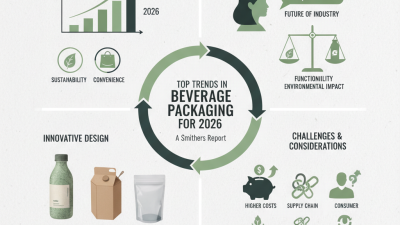
The beverage packaging market in China is poised for significant growth. By 2026, it is projected to reach a market size of approximately $30 billion, according to recent industry reports. This growth is driven by increasing consumer demand for sustainability and convenience. With more consumers seeking eco-friendly options, packaging solutions made from biodegradable materials are expected to dominate.
Innovations are key to staying competitive in this dynamic market. For instance, the rise of smart packaging is reshaping consumer interaction. Interactive labels that provide product information via QR codes are becoming popular. Moreover, digital printing technologies are enabling brands to personalize their packaging, appealing directly to consumer tastes. Research suggests that nearly 70% of consumers are influenced by packaging design, indicating its crucial role in marketing strategies.
While these advancements offer opportunities, challenges remain. Ensuring that new materials meet safety standards can be difficult. Supply chain logistics for sustainable materials can also complicate production. Brands must address these complexities to capitalize on emerging trends effectively. Balancing innovation with practicality will be essential in shaping the future of beverage packaging in China.
Sustainability Trends in Beverage Packaging: Eco-Friendly Material Innovations
The beverage industry is shifting towards sustainability. Eco-friendly material innovations are at the forefront of this change. Companies are increasingly seeking biodegradable and recyclable packaging solutions. This move not only reduces environmental impact but also meets consumer demand for green products.
Recent advancements include the use of plant-based materials. Such materials can significantly cut carbon footprints. However, sourcing and production processes need careful management. Some plant-based alternatives still rely on agricultural practices that can harm ecosystems. Choices must be made wisely to avoid unintentional consequences.
Implementing new eco-friendly innovations comes with challenges. Many companies face hurdles in balancing cost and sustainability. It’s essential to note that consumer education is key. Some eco-friendly options are not well understood yet. This lack of understanding can hinder broader adoption. Engaging consumers on the benefits of sustainable packaging is crucial for success.
China Top Beverage Packaging Innovations and Trends for 2026
| Innovation Trend |
Description |
Material Type |
Sustainability Rating (1-5) |
Market Adoption Rate (%) |
| Plant-Based Plastics |
Packaging made from renewable biological resources. |
Bioplastics |
5 |
30 |
| Recycled PET |
Using recycled plastic for beverage bottles to reduce waste. |
Recycled Plastics |
4 |
50 |
| Edible Packaging |
Innovative packaging that can be eaten along with the product. |
Natural Materials |
5 |
10 |
| Biodegradable Films |
Films that break down naturally in the environment. |
Biodegradable Materials |
4 |
25 |
| Smart Packaging |
Packaging that incorporates sensors to provide information about the product. |
Smart Materials |
3 |
15 |
Smart Packaging Technologies: Enhancing Consumer Engagement in 2026
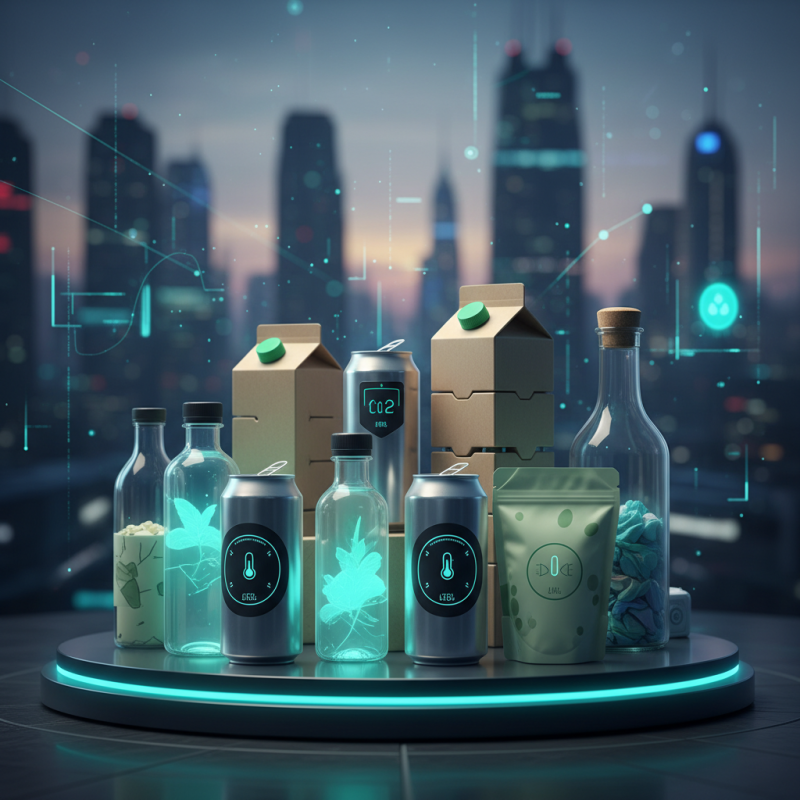
In 2026, smart packaging technologies will transform how consumers engage with beverages. These advancements enhance user experience through interactivity and personalization. Imagine a bottle that changes color with temperature or provides recipes when scanned. This can create an exciting and memorable drinking experience.
Tips: Consider incorporating QR codes or NFC chips in packaging. These elements can connect consumers to virtual content, such as videos or promotions. Simple interactions can vastly improve brand loyalty.
The rise of augmented reality (AR) in packaging will change consumer perceptions. Users can visualize what’s inside before buying. They may also participate in interactive games related to the product. However, brands must ensure that these experiences feel genuine, not just gimmicks. Authentic engagement builds trust.
Tips: Invest in quality content for digital experiences. Consumers quickly see through superficial adds. Delivering true value keeps them coming back. Focus on maintaining a seamless connection between the product and packaging.
China Top Beverage Packaging Innovations and Trends for 2026
Impact of E-commerce on Beverage Packaging Design and Distribution Strategies
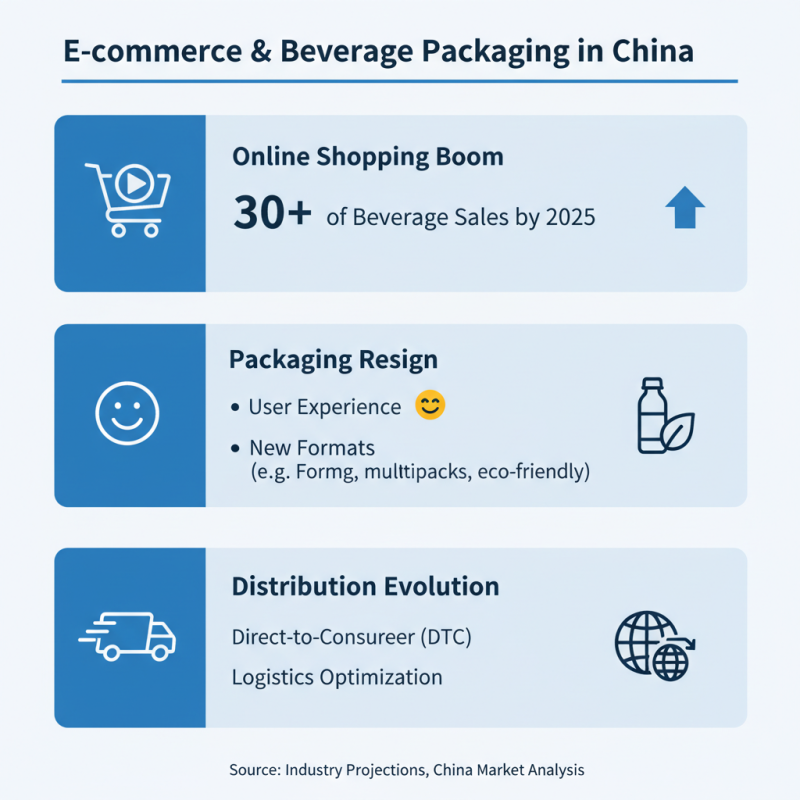
E-commerce is transforming beverage packaging design and distribution strategies in China. The rapid growth of online shopping has shifted how consumers interact with products. By 2025, it's projected that e-commerce will account for over 30% of beverage sales in China. This shift urges producers to rethink packaging formats to enhance user experience.
Innovative designs focusing on convenience are emerging. For instance, smaller, resealable packages cater to the grab-and-go consumer. Additionally, eco-friendly materials are gaining traction, aligning with the growing demand for sustainability. A recent report notes that 70% of consumers prefer brands that prioritize sustainable packaging. However, the challenge remains. Balancing cost and functionality while adhering to environmental standards can be daunting for many companies.
Distribution strategies are also evolving. Direct-to-consumer models are on the rise, with brands leveraging social media to engage shoppers. This increases packaging’s role in branding and user engagement, elevating visual appeal. Reports indicate that engaging packaging can increase sales conversion rates by 20%. However, rapid changes in consumer preferences require brands to stay agile, making it hard to keep up with trends. The need for continuous adaptation is clear as the landscape evolves.
Regulatory Changes and Their Implications for Beverage Packaging in China
The beverage packaging landscape in China is undergoing significant changes due to evolving regulations. Authorities are emphasizing sustainability and recyclability in packaging materials. This shift reflects a growing environmental awareness among consumers. Brands must adjust their packaging strategies to align with these regulatory requirements.
Regulations are increasingly favoring biodegradable materials and reducing plastic waste. Manufacturers must invest in new technologies to develop compliant packaging. Transitioning to eco-friendly options may involve costs and require time. While companies aim to innovate, they must also consider the direct implications on supply chains and end-user acceptance.
The challenge lies in balancing regulatory compliance with cost-effectiveness. Some brands may struggle to meet these new standards without sacrificing quality. Exploring alternative materials can lead to unintended consequences, such as durability issues. Businesses must be prepared to navigate this complex landscape, making informed decisions that reflect both regulatory demands and consumer preferences.