Why You Should Choose a White Label Energy Drink for Your Business
In recent years, the energy drink market has experienced significant growth, with a projected CAGR of 7.3% from 2021 to 2028, as reported by Grand View Research. This surge in demand presents a lucrative opportunity for entrepreneurs and businesses seeking to capitalize on this upward trend. However, navigating the complexities of product development, branding, and distribution can pose substantial challenges. This is where the concept of a "white label energy drink" comes into play, offering companies the chance to enter the market with a ready-made product.
A white label energy drink allows businesses to leverage established formulations and production capacities while creating their own unique branding and marketing strategies. According to a report by Mordor Intelligence, the global energy drink market size was valued at USD 86.01 billion in 2021 and is anticipated to reach USD 121.97 billion by 2027. By opting for a white label approach, businesses can significantly reduce their time to market and focus on their core competencies, such as building customer relationships and enhancing brand loyalty.
Moreover, the rise of health-conscious consumers has influenced the energy drink segment, with a growing demand for organic and natural ingredients. By selecting a white label energy drink that aligns with these trends, companies not only meet consumer expectations but also position themselves strategically within a competitive market landscape. Utilizing white label products can be a game-changer for businesses looking to make their mark in the thriving energy drink industry.
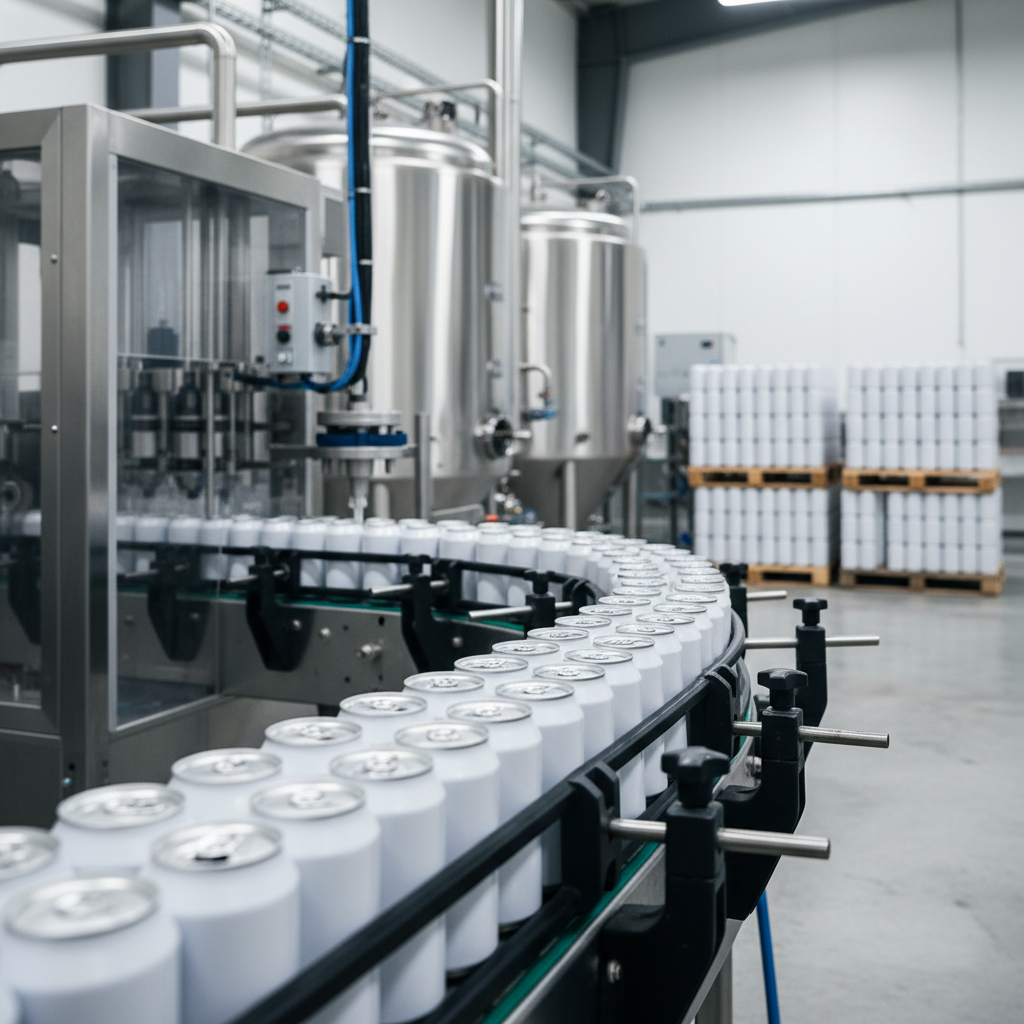
Benefits of White Label Energy Drinks for Business Growth
White label energy drinks offer a unique opportunity for businesses aiming to expand their product lines and improve brand recognition. By choosing a white label option, companies can provide established beverage formulations without the hefty costs and time investment associated with product development. This allows businesses to quickly enter the competitive energy drink market, catering to a growing consumer demand for convenient, high-energy beverages.
Moreover, white label energy drinks can be tailored to fit a brand's identity and target audience, enhancing customer loyalty and engagement. Businesses have the flexibility to customize flavors, packaging, and marketing strategies, ensuring that the product aligns perfectly with their brand values and messaging. This customization not only strengthens brand identity but also helps in capturing niche markets, which can lead to increased sales and profitability. Emphasizing quality and unique branding sets businesses apart in a crowded marketplace, driving long-term growth.
Why You Should Choose a White Label Energy Drink for Your Business - Benefits of White Label Energy Drinks for Business Growth
| Benefit |
Description |
Impact on Business |
| Brand Customization |
Ability to create a unique brand identity without the need for product development. |
Enhances brand recognition and loyalty. |
| Cost-Effective |
Lower development and production costs compared to launching a new product from scratch. |
Increases profit margins, allowing reinvestment in other business areas. |
| Faster Time to Market |
Quickly launch products, capitalizing on market trends. |
Boosts competitive edge and responsiveness to consumer demands. |
| Diverse Product Range |
Access to a wide variety of flavors and formulations. |
Attracts a broader customer base with varied preferences. |
| Reduced Risk |
Lower risk of product failure since products are already market-tested. |
Minimizes potential losses from unsold inventory. |
How White Label Solutions Enhance Brand Customization and Identity
In today's competitive beverage market, white label energy drinks offer businesses an unparalleled opportunity to enhance brand customization and identity. According to a report by Grand View Research, the global energy drinks market is expected to reach USD 84.8 billion by 2026, with a significant rise in demand for personalized products. This trend emphasizes the importance of unique branding strategies that can differentiate a business in a crowded market. White label solutions allow companies to create custom formulations, labels, and marketing materials, enabling them to tailor the product to their specific audience.
Furthermore, a study conducted by Allied Market Research indicates that the customization of consumer products can enhance customer loyalty, as 73% of consumers express a preference for brands that offer personalized experiences. By choosing a white label energy drink, businesses can effectively establish their brand identity while meeting consumer preferences for uniqueness and quality. This approach not only fosters stronger connections with customers but also allows businesses to innovate in their marketing strategies, ensuring their energy drink product aligns seamlessly with their overall brand narrative.
Cost-Effectiveness of White Label Energy Drinks vs. Traditional Manufacturing
When considering the production of an energy drink for your business, the cost-effectiveness of white label options compared to traditional manufacturing cannot be overstated. White label energy drinks allow businesses to bypass the extensive costs associated with research, development, and ingredients sourcing. Instead, brands can leverage existing formulations, significantly reducing the time and financial investment required to bring a product to market. This model enables businesses to focus their resources on marketing and distribution rather than on complex manufacturing processes.
Additionally, the scalability of white label energy drinks is a crucial advantage. As demand fluctuates, businesses do not need to worry about maintaining a large inventory or dealing with the overhead of running a production facility. This flexibility allows companies to adapt swiftly to market trends, ensuring they can meet consumer needs without incurring excess costs. In essence, choosing a white label model not only streamlines operations but also offers a clear pathway to profitability in the competitive beverage industry.
Market Trends: The Rising Demand for Personalized Energy Beverage Options
The functional food and beverage market is experiencing significant growth, driven by an increasing consumer preference for health-oriented options. Reports indicate that the global nutraceutical market is projected to reach approximately $986.8 billion by 2032, reflecting a robust expansion from $500.6 billion in 2025. This trend is underpinned by a rising awareness of the benefits of nutritional products, which are now seen as essential for enhancing overall health and preventing chronic diseases.
Moreover, the demand for personalized energy beverages is gaining momentum, with consumers seeking functionality alongside flavor. The sports nutrition supplement market is anticipated to grow from $23.04 billion in 2024 to $42.71 billion by 2033, highlighting a compound annual growth rate of 7.1%. As health consciousness rises, brands are increasingly opting for white label energy drinks that can be customized to fit unique consumer needs, thereby tapping into this burgeoning market trend. This strategic choice not only allows businesses to meet the evolving preferences of their customers but also aligns with the broader movement towards wellness-focused products in the beverage industry.
Market Trends: The Rising Demand for Personalized Energy Beverage Options
Strategic Partnerships: Collaborating with Established Manufacturers for Success
Collaborating with established manufacturers to produce white label energy drinks offers businesses a strategic advantage in the competitive beverage industry. According to a report from Grand View Research, the global energy drinks market was valued at approximately $86 billion in 2020 and is anticipated to grow at a compound annual growth rate (CAGR) of 7.3% from 2021 to 2028. By partnering with manufacturers who have a proven track record, businesses can leverage existing expertise and resources to streamline production processes, ensuring high-quality products that cater to consumer demands.
Strategic partnerships not only enhance product quality but also provide access to established supply chains and distribution networks. This is particularly crucial in an industry where time-to-market can significantly impact competitive positioning.
Research from Statista indicates that energy drink consumption is especially popular among millennials and Generation Z, with over 60% of young adults engaging with these products regularly. By aligning with manufacturers who understand these demographic preferences, businesses can effectively tailor their marketing strategies and product offerings, ultimately driving sales and brand loyalty in an increasingly crowded marketplace.