How to Choose the Best Beverage Packaging for Your Product?
Choosing the right beverage packaging is critical for success in the beverage industry. As John McCarthy, a leading expert in beverage packaging, once stated, "Packaging is the silent salesman that can make or break a product." This emphasizes the significance of effective packaging solutions.
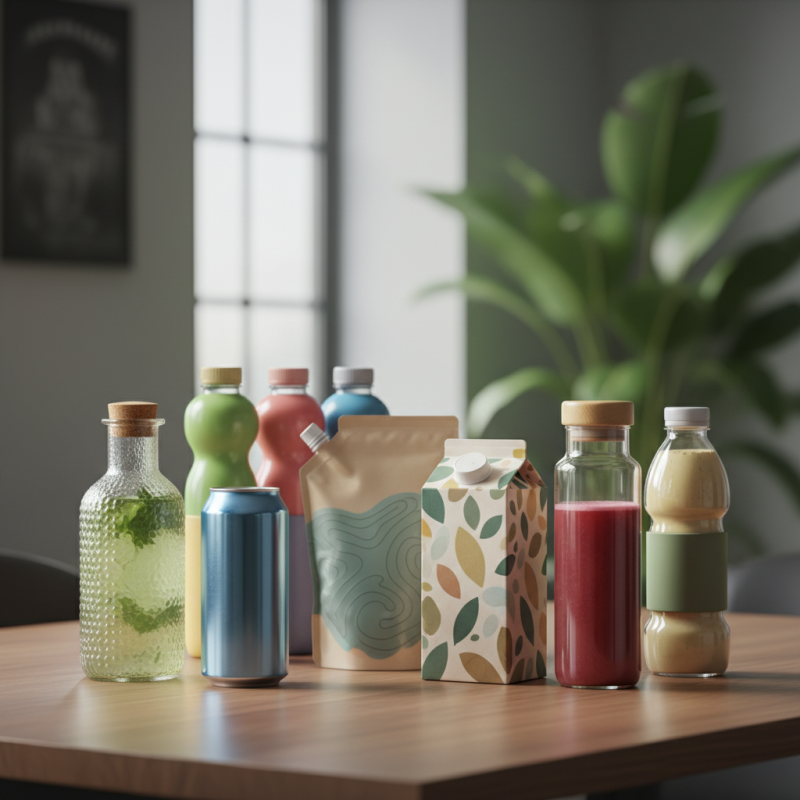
The beverage packaging landscape is diverse and evolving. Factors such as material, sustainability, and design must be considered. Each choice impacts consumer perception and brand identity. Striking a balance between functionality and aesthetics is essential.
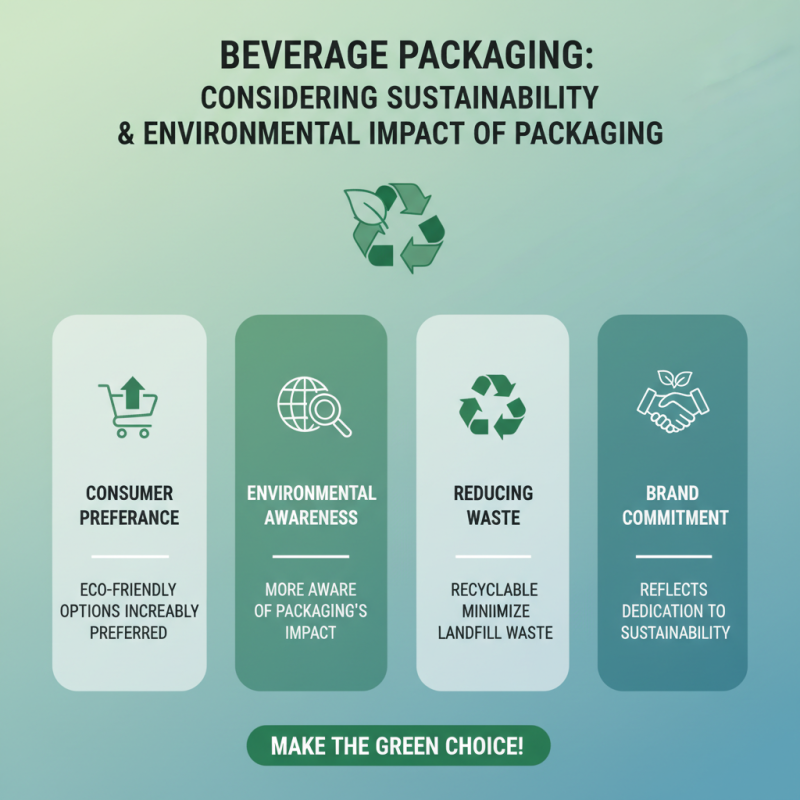
However, even experienced brands occasionally stumble in their packaging decisions. Some may overlook the importance of environmental impact. Others might prioritize cost over quality, leading to negative customer experiences. Reflecting on these aspects can guide brands towards more informed packaging choices that resonate with their audience.
Understanding Your Beverage Product and Target Market
Choosing the right packaging for your beverage involves deep understanding. First, define your product. Is it a health drink, a fizzy soda, or something unique? Each beverage has specific needs. For example, carbonated drinks require sturdy materials. They must withstand pressure. On the other hand, smoothies need materials that maintain freshness.
Consider your target market as well. Who are your ideal consumers? Are they environmentally conscious? Then biodegradable packaging could attract them. Visual appeal is crucial too. The packaging should reflect the drink's personality. Bright colors for energy drinks, for instance, convey excitement. Subtle designs work for organic teas.
Lastly, try different concepts. Gather feedback from potential customers. Sometimes, your initial ideas may not resonate. Embrace that feedback. Refine your designs. Understanding your product and market is an ongoing process. It’s about making choices that resonate and engage effectively.
How to Choose the Best Beverage Packaging for Your Product?
| Packaging Type |
Material |
Sustainability |
Market Suitability |
Cost Efficiency |
| Glass Bottle |
Glass |
Highly sustainable, recyclable |
Premium market, craft beverages |
Higher production and shipping costs |
| Aluminum Can |
Aluminum |
Recyclable, lightweight |
Widespread consumer appeal |
Cost-effective for mass production |
| Plastic Bottle |
PET |
Varies, some recycled options |
Popular for soft drinks and juices |
Low cost, lightweight |
| Carton |
Paperboard |
Recyclable, renewable resources |
Ideal for juice and milk products |
Moderate cost, efficient storage |
| Pouch |
Flexible film |
Limited recyclability |
Growing trend in smoothies and flavored waters |
Cost-effective and lightweight |
Exploring Different Types of Beverage Packaging Materials
When it comes to choosing beverage packaging, material selection plays a vital role. Various options exist, including glass, plastic, aluminum, and paper. Each material has its own unique advantages and disadvantages. Glass, for example, is recyclable and provides good protection against external factors. However, it can be heavy and fragile, presenting challenges in shipping and handling.
Plastic packaging is seen as versatile. It is lightweight and durable, making it ideal for many beverages. However, public concern about environmental impact is growing. It may not be the best option for brands that emphasize sustainability. Aluminum cans are another popular choice. They are lightweight and, like glass, recyclable. Still, they may sometimes alter taste, which can be a drawback for certain products.
Paper-based packaging is gaining traction, especially for eco-conscious brands. It is often biodegradable and recyclable. Nonetheless, it may not offer the same level of protection as glass or aluminum. The options can be overwhelming, and brands must carefully consider their target audience and environmental impact. This choice reflects both brand values and consumer preferences.
Evaluating the Functional Requirements of Packaging
When evaluating the functional requirements of beverage packaging, you must consider several factors.
The primary purpose of packaging is to protect the product. It should shield beverages from contamination and external elements. Choosing the right material plays a crucial role in this.
Different beverages may require varying levels of protection based on their sensitivity to light, air, and temperature.
Tip: Look into materials that offer barrier properties. For instance, some drinks may benefit from opaque packaging to shield them from light.
On the other hand, some consumers prefer clear packaging for visibility.
Functionality extends beyond just protection. Packaging must also be user-friendly.
Think about ease of opening, pouring, and resealing. Complex designs might look appealing but can deter customers.
Research shows that consumers favor practical features.
Tip: Conduct user testing to gain insights. It can highlight what works and what doesn’t.
Simple designs often lead to better customer satisfaction.
Overall, aligning packaging with consumer needs is critical. Inadequate packaging can lead to product spoilage and increased waste.
Consider how your choices impact not just your brand, but the environment too.
Assessing Marketing and Branding Opportunities Through Packaging Design
Packaging design plays a vital role in marketing beverages. It goes beyond mere aesthetics. Effective packaging conveys the brand message and engages consumers. The right design can draw attention on store shelves. It can evoke emotions and create a memorable experience.
Simplicity often works best. Bold colors and clear fonts can enhance recognition. However, a cluttered design may confuse customers. It's essential to balance creativity with clarity. Consider incorporating elements that reflect your brand’s values. Sustainable materials, for example, resonate with eco-conscious consumers. Yet, this leaves room for improvement. Some brands miss the mark by not aligning packaging with their core message.
Imagery is also a powerful tool. Visuals can tell a story in an instant. They can depict the product's origin or ingredients. However, using too many images can dilute your message. Testing different designs with focus groups can provide insights. Feedback often reveals unexpected perceptions. An effective design should invite conversation and curiosity, leading to engagement. Understanding these nuances can elevate your brand in a competitive market.
Packaging Design Impact on Consumer Preference