How to Choose the Right Energy Drinks for Your Workout and Daily Boost
As more individuals turn to energy drinks to enhance their workouts and daily activities, the choice of the right beverage has become increasingly critical. According to a report by the research firm Zenith Global, the global energy drinks market is projected to reach $86 billion by 2025, indicating a growing demand for these products across various consumer demographics. However, with the abundance of options available, selecting the right energy drinks can be daunting without proper guidance.
Industry expert Dr. Emma Carter, a leading nutritionist specializing in sports performance, emphasizes the importance of understanding one’s own energy needs. She states, "The right energy drinks can significantly impact your performance and overall well-being, but it’s essential to choose based on individual health requirements and activity levels." This insight highlights the necessity of making informed choices, not just about the ingredients and caffeine content, but also about the intended use—whether for a rigorous workout or a quick daily boost.
With a well-informed approach, consumers can navigate the energy drinks landscape effectively, ensuring they select products that align with their fitness goals and lifestyle while maximizing their benefits.
Understanding Energy Drinks: Types and Ingredients
Energy drinks come in various types, each formulated to provide different benefits depending on their ingredients. Primarily, they can be categorized into stimulant-based drinks, meal replacement options, and hydration-focused formulas. Stimulant-based energy drinks typically contain caffeine or other stimulants which enhance alertness and improve physical performance. They are commonly consumed before workouts to boost energy levels and increase endurance. However, it’s crucial to moderate consumption, as excessive intake of stimulants can lead to adverse effects.
On the other hand, meal replacement energy drinks often include a balance of macronutrients—proteins, carbohydrates, and fats—designed to support muscle recovery and provide sustained energy. These can be particularly useful for athletes who require nutrition on-the-go or individuals looking to manage their dietary intake efficiently. Lastly, hydration-focused energy drinks are formulated with electrolytes and other hydrating ingredients, essential for replenishing fluids lost during intense activities. When selecting an energy drink, it’s essential to read labels carefully and understand the role of each ingredient to ensure it aligns with your fitness goals and daily energy needs.
Energy Drinks Comparison: Caffeine and Sugar Content
Evaluating the Benefits of Energy Drinks for Workouts
When considering energy drinks for workouts, it’s crucial to evaluate their benefits and determine the right fit for your fitness regimen. Many of these beverages contain stimulants like caffeine, which can enhance alertness and improve concentration during physical activity. This heightened focus can be particularly beneficial for high-intensity training sessions or when executing complex movements, allowing individuals to push their limits more effectively.
In addition to stimulants, energy drinks often include carbohydrates that can provide a quick source of fuel, helping to sustain energy levels during prolonged exercise. This can be particularly advantageous for endurance athletes who require consistent energy to maintain performance over extended periods.
Moreover, some energy drinks are fortified with vitamins and minerals, offering additional nutritional support that may enhance recovery or overall wellbeing when incorporated into a balanced diet. However, it’s essential to monitor one’s own tolerance and hydration levels, as excessive consumption can lead to dehydration or unwanted side effects.
How to Read Labels: Key Information to Look For
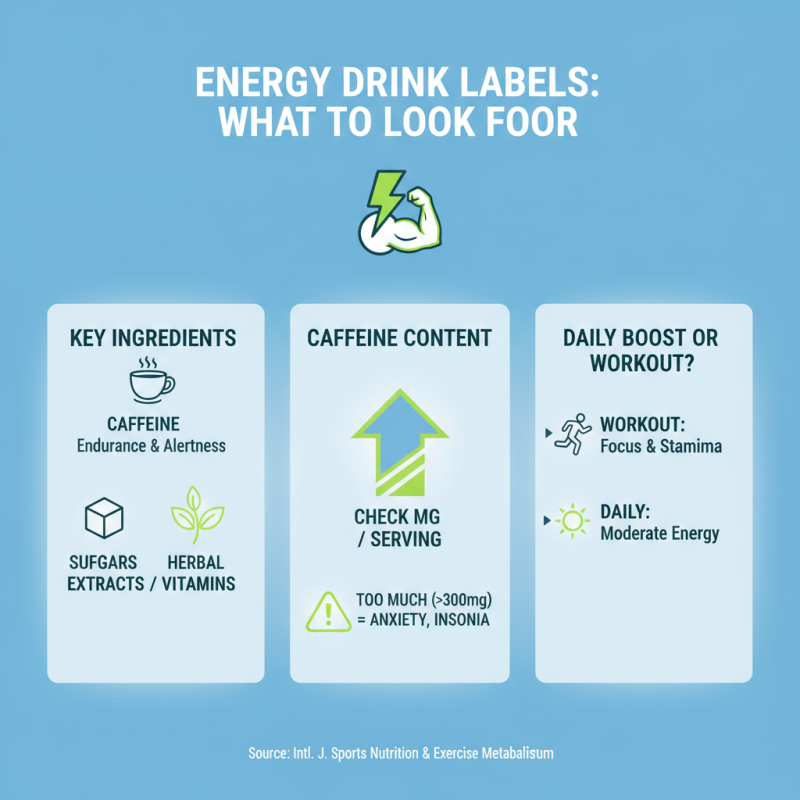
When selecting the right energy drinks for your workout or daily boost, understanding how to read labels is crucial. Energy drinks often contain a variety of ingredients, including caffeine, sugars, vitamins, and herbal extracts. According to a report by the International Journal of Sports Nutrition and Exercise Metabolism, caffeine is one of the most studied substances in sports performance, showing significant improvements in endurance and alertness. However, it’s essential to check the amount of caffeine per serving, as some drinks can contain up to 500 mg, which may lead to adverse effects like anxiety or insomnia if consumed excessively.
Additionally, examining the sugar content is vital. Many energy drinks have high sugar levels, often exceeding 30 grams per serving, which can lead to a rapid spike in energy followed by a crash. The American Heart Association recommends limiting added sugars to no more than 36 grams per day for men and 25 grams for women. Looking for drinks with lower sugar content and those that use natural sweeteners or no added sugars is advisable. Also, don’t overlook additional ingredients such as B vitamins, which play a significant role in energy metabolism, and electrolytes, which are essential for hydration during prolonged physical activities. By paying attention to these key components on labels, you can make informed choices that align with your fitness goals and overall health.
Timing Your Energy Drink Consumption for Optimal Performance
Timing your energy drink consumption is crucial for maximizing performance, especially during workouts and physically demanding activities. Research indicates that consuming caffeine approximately 30 to 60 minutes before exercise can enhance endurance and strength output. A study published in the Journal of Sports Science & Medicine found that individuals who consumed caffeine before training exhibited a 10% improvement in overall performance compared to those who did not, making timing a vital aspect of energy drink consumption.
In addition to pre-workout timing, post-workout energy drink intake can also play a significant role in recovery. Data from the American College of Sports Medicine suggests that replenishing glycogen stores and electrolytes within 30 minutes after intense exercise can drastically improve recovery times. This is the critical window where muscles can efficiently absorb nutrients, making it beneficial to consume energy drinks that contain not just caffeine but also carbohydrates and electrolytes post-exercise.
By strategically timing their energy drink intake, individuals can optimize both their workout performance and recovery process, leading to more effective training sessions and improved overall fitness results.
Potential Risks and Considerations When Using Energy Drinks
When considering energy drinks as part of your workout regimen, it's crucial to be aware of the potential risks and considerations associated with their consumption. A study published in the Journal of the American College of Cardiology highlights that about 30% of energy drink users report experiencing adverse effects, including heart palpitations and increased blood pressure. These effects can be particularly pronounced among individuals who combine these beverages with vigorous physical activity, as the stimulants found in energy drinks can exacerbate the heart's workload.
Furthermore, a report from the European Food Safety Authority emphasizes the importance of moderation, noting that excessive caffeine intake, often found in energy drinks, can lead to sleep disturbances, anxiety, and digestive issues. The recommended daily limit for caffeine intake is around 400 milligrams for most adults, which can be easily exceeded with just a few energy drinks—especially when mixed with other caffeinated products. Exercise professionals often advise individuals to carefully read labels and consider their total daily caffeine consumption to avoid these negative health implications while striving for performance enhancement and energy.