How to Create an Energy Drink at Home: Tips and Recipes for Beginners
In a fast-paced world where energy levels can fluctuate dramatically, many people are turning to energy drinks to boost their performance and alertness. However, those store-bought options often come with unwanted additives, high sugar content, and hefty price tags. This has led many enthusiasts to explore a more personal approach: to create an energy drink at home. Crafting your own energizing beverage not only allows you to control the ingredients for a healthier alternative but also gives you the freedom to experiment with flavors and nutritional components that suit your individual needs.
Creating an energy drink at home can be an exciting and empowering experience for beginners and seasoned DIY enthusiasts alike. With just a few basic ingredients, you can tap into the natural sources of energy provided by fruits, herbs, and other wholesome components. Whether you're looking for a quick pick-me-up before a workout or a refreshing drink to sustain your energy throughout the day, the possibilities are endless. This guide will provide you with simple tips and delicious recipes to help you create an energy drink that not only fuels your body but also delights your taste buds. So, gather your supplies, and let's embark on this flavorful journey to develop a homemade energy booster tailored just for you!
Understanding the Basics of Home-Made Energy Drinks: Nutritional Insights
When venturing into the realm of homemade energy drinks, it’s vital to understand the nutritional components that contribute to an effective and healthy beverage. Primarily, energy drinks typically rely on a combination of carbohydrates, electrolytes, and natural stimulants to boost physical and mental performance.
Carbohydrates, often derived from natural sources like fruits or honey, provide a quick energy source, while electrolytes—such as sodium and potassium—help maintain hydration and support muscle function during physical exertion.
Incorporating natural stimulants can further enhance the energizing properties of your drink. Commonly used ingredients include green tea or matcha, which contain caffeine and L-theanine, promoting alertness without the jitters associated with synthetic caffeine.
Additionally, superfoods like spirulina or maca root can be added for their nourishing benefits, offering a rich source of vitamins and minerals. Balancing these ingredients not only contributes to an effective energy boost but also ensures that the drink remains wholesome, avoiding artificial additives often found in commercial options.
By paying close attention to these nutritional insights, beginners can craft their own effective energy drinks tailored to their needs and preferences.
Key Ingredients for Effective Energy Drinks: Vitamins, Sugars, and Caffeine
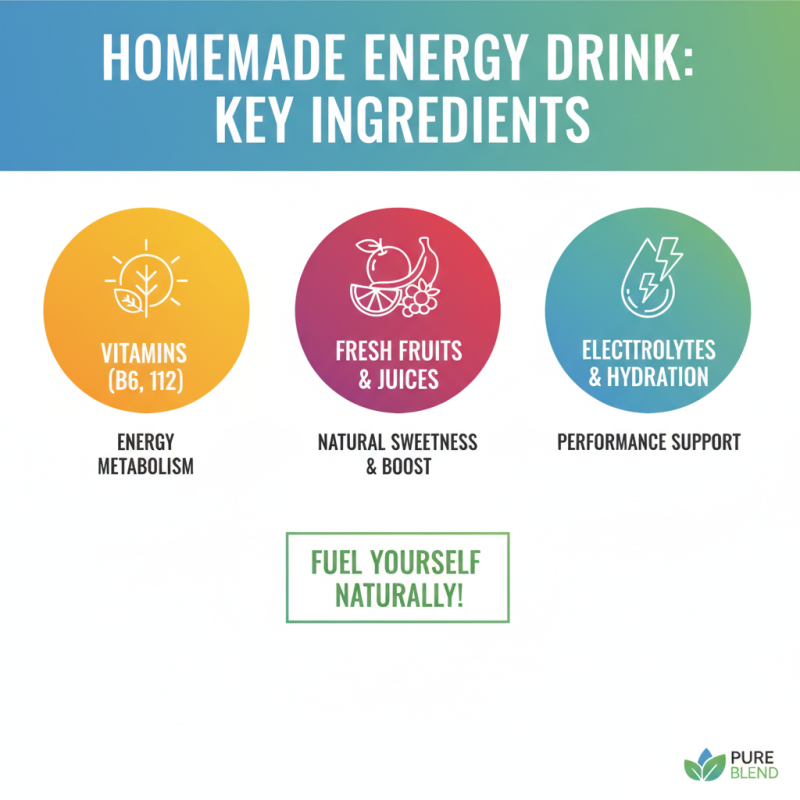
When creating an energy drink at home, understanding the key ingredients is crucial for effectiveness and safety. Firstly, vitamins play a significant role in enhancing energy levels. B vitamins, including B6 and B12, are particularly important as they help convert food into energy and support metabolic processes. Including a variety of fresh fruits or juices, such as oranges or bananas, can boost vitamin content while adding natural sweetness.
Sugar is another essential ingredient for energy drinks, providing a quick source of energy. Opt for natural sugars found in honey, agave syrup, or maple syrup, as they offer sweetness along with some nutritional benefits. It’s also important to strike a balance; while sugar provides immediate energy, too much can lead to a crash later.
Caffeine is a popular stimulant often found in many energy drinks. While it can enhance alertness and concentration, it’s paramount to use it judiciously. Natural sources of caffeine, like green tea or matcha, are excellent alternatives. They provide the desired energy boost without the jitters associated with synthetic forms. By combining these ingredients thoughtfully, beginners can create an energy drink that is not only effective but also nourishing.
Step-by-Step Guide to Crafting Your Own Energy Drink: Recipes and Techniques
Creating your own energy drink at home can be an exciting and healthy alternative to commercially available options. With the global energy drink market projected to reach $84.8 billion by 2026, a growing number of consumers are seeking personalized, natural alternatives that ensure they know the ingredients they are consuming. To get started, gather natural sources of caffeine such as green tea or coffee, and combine them with hydrating options like coconut water or filtered water.
When crafting your energy drink, consider the balance of flavors and nutrients. For a refreshing boost, blend together ingredients like fresh fruit juices, honey, and a pinch of sea salt to replenish electrolytes lost during exercise. Research indicates that incorporating carbohydrates, like those found in fruits, can help sustain energy levels during physical activity. Aim for a 3:1 ratio of carbohydrates to protein for optimal energy replenishment after workouts.
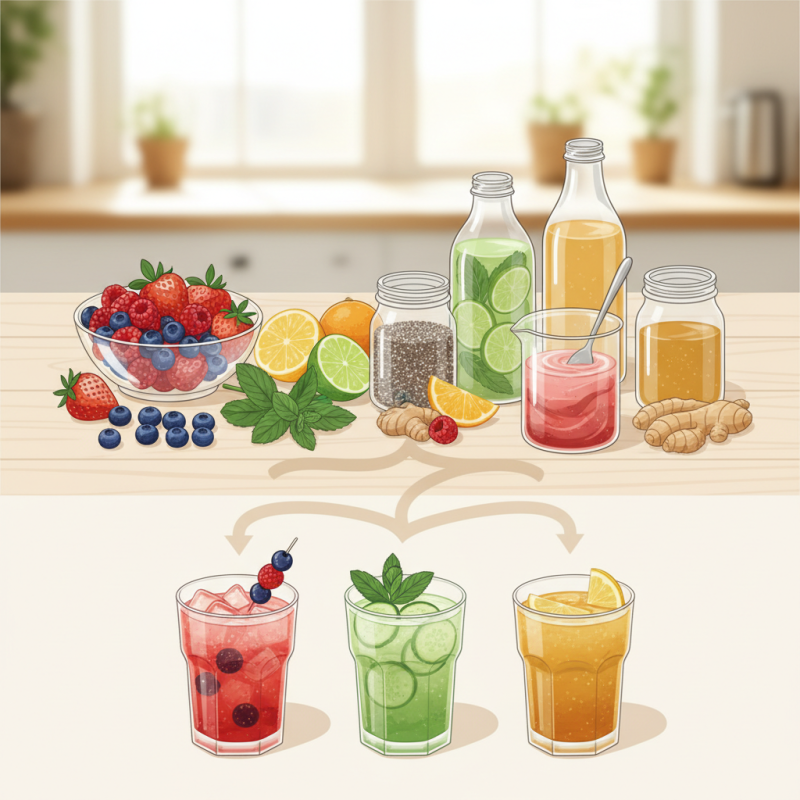
Tips for enhancing your DIY energy drink include experimenting with superfoods like spirulina or chia seeds, which can offer additional health benefits. Start with small quantities to test for taste and tolerance, then adjust as desired. Always remember to hydrate adequately, as proper hydration is crucial for maintaining energy levels throughout the day. When preparing your drink, ensure that you are mindful of the sugar content, aiming for a healthy balance without overloading on sweeteners.
Assessing the Health Impacts of Common Energy Drink Ingredients
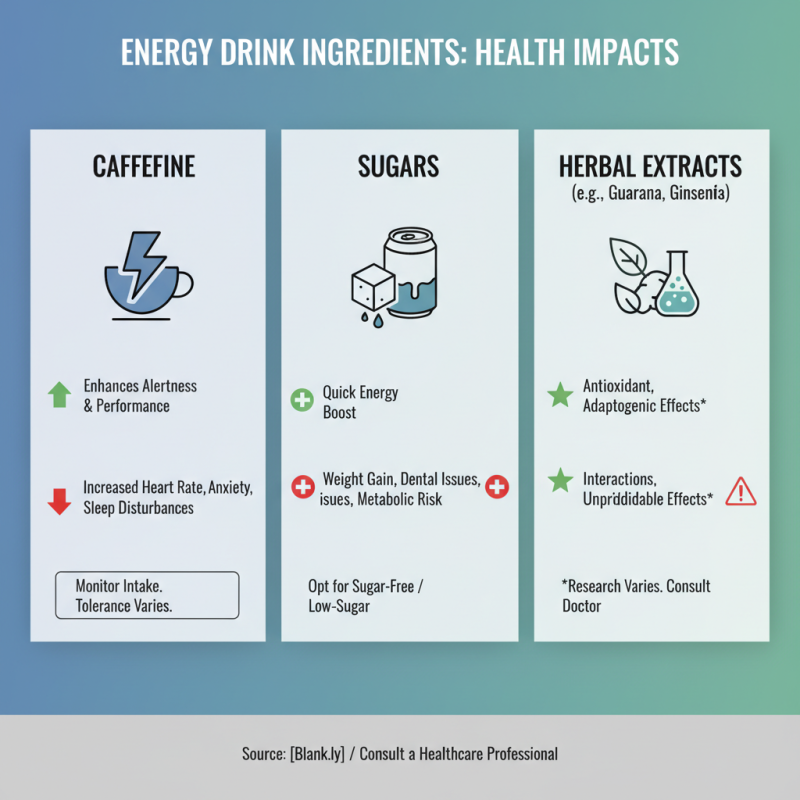
When assessing the health impacts of common energy drink ingredients, it is essential to consider the roles that caffeine, sugars, and certain herbal extracts play in both the benefits and potential risks associated with these beverages. Caffeine, a primary component, is known for its ability to enhance alertness and improve physical performance. However, excessive consumption can lead to increased heart rate, anxiety, and sleep disturbances. It's important for individuals to monitor their intake and understand their personal tolerance levels, as reactions to caffeine can vary widely.
Another common ingredient in energy drinks is sugar, which provides a quick energy boost. While it can enhance flavor and deliver immediate energy, high sugar content raises concerns about weight gain and other metabolic issues over time. Additionally, frequent consumption of sugary energy drinks can lead to dental problems and increased risk of developing insulin resistance. To mitigate these risks, one could opt for natural sweeteners, or even explore sugar-free alternatives while being mindful of the overall ingredient list.
Certain herbal additives, like ginseng or guarana, are often marketed for their purported energy-boosting properties. While some studies suggest possible benefits, these ingredients can also have side effects, such as digestive issues or increased heart rate, particularly in combination with caffeine. Therefore, any homemade energy drink should be crafted with careful consideration of these ingredients, focusing on moderation and personal health conditions to create a balanced formula that promotes energy without compromising overall well-being.
Storing and Using Your Homemade Energy Drink for Maximum Freshness and Benefits
When creating a homemade energy drink, it's essential to focus on the storing and usage methods to maximize its freshness and benefits. A study by the Journal of Nutritional Science highlights that consumed beverages are most effective within 48 hours of preparation, which is crucial for homemade drinks where preservatives are not used.
It’s advisable to store your energy drink in airtight containers and refrigerate it immediately to inhibit microbial growth and oxidation, which can diminish flavor and nutritional content.
Using fresh ingredients can enhance the energy drink’s efficacy, as vitamins and antioxidants begin to degrade over time. For example, vitamin C, a common ingredient in energy drinks, can lose potency quickly; research indicates that up to 30% of its content may degrade within just a few days if not stored properly. To maximize benefits, consume your homemade energy drink within two days and consider portioning it out in smaller containers to reduce exposure to air each time you open a bottle. This practice not only maintains freshness but also allows for easy access when you need a quick energy boost.