How to Create a Successful Private Label Sparkling Water Brand and Capture 22 Billion Dollar Market Growth
In recent years, the beverage industry has witnessed a significant shift towards
healthier options, and
sparkling water has emerged as a
frontrunner in this trend. With its refreshing appeal and perceived health benefits, the
demand for sparkling water is booming, creating a lucrative opportunity for brands to enter
the market. Among these brands, those that focus on private label
sparkling water are particularly well-positioned to capitalize on this growth. By leveraging
the power of private labeling, retailers can offer their own unique branding while maintaining
competitive pricing, thus attracting a diverse consumer base.
As we dive into the strategies for creating a successful private label sparkling water brand,
it is essential to understand the current market landscape and consumer preferences that are
driving this sector. With the sparkling water market projected to reach a staggering
22 billion dollars, it's crucial for aspiring
brands to navigate the intricacies of product differentiation, packaging, and marketing. This
guide will provide valuable insights into how to successfully venture into the world of
private label sparkling water, ensuring that your brand not only stands out on the shelves
but also resonates with health-conscious consumers seeking refreshing alternatives.
Understanding the Private Label Sparkling Water Market Dynamics and Trends
The private label sparkling water market has been experiencing significant growth, driven by shifting consumer preferences towards healthier beverage options. According to a report from Mordor Intelligence, the global sparkling water market was valued at approximately $29.6 billion in 2021 and is projected to reach $42.4 billion by 2028, expanding at a CAGR of around 5.7%. This upward trend indicates a ripe opportunity for private label brands to establish themselves within this booming sector by leveraging cost-effective production and strong retailer partnerships.
Recent consumer surveys highlight that over 60% of shoppers are inclined to purchase private label products due to their perceived value and quality. Retail giants like Walmart and Costco have capitalized on this trend, leading to an increase in shelf space dedicated to these products. Furthermore, the Health and Wellness trend, which reports that 78% of consumers prioritize healthier choices, underscores the importance for private label sparkling water brands to offer natural flavors and low-calorie options to attract health-conscious buyers. By aligning their offerings with current market dynamics, private label brands can successfully tap into this lucrative market and contribute to its projected growth.
Identifying Target Demographics and Consumer Preferences for Sparkling Water
Identifying target demographics and understanding consumer preferences are crucial for launching a successful private label sparkling water brand. A significant portion of sparkling water consumers are health-conscious individuals looking for alternatives to sugary sodas. This demographic often includes millennials and Gen Z, who prioritize not only health benefits but also sustainable and environmentally friendly packaging. Engaging with these consumers through tailored marketing strategies, such as social media campaigns and influencer partnerships, can enhance brand visibility and appeal.
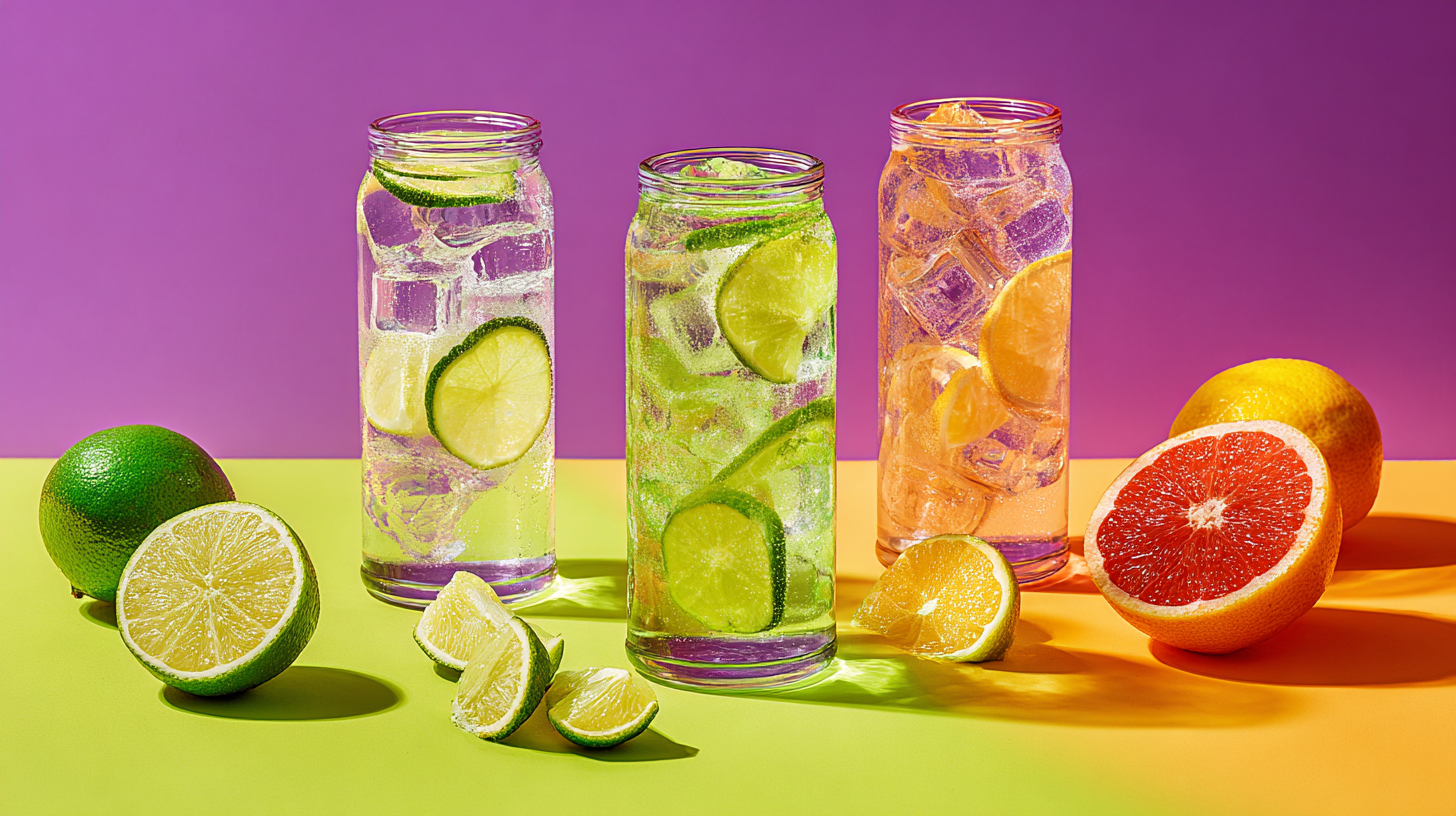
Tips for capturing this market include conducting surveys to gather insights on flavor preferences and purchasing habits. Offering a variety of flavors that cater to diverse tastes—ranging from classic citrus to exotic fruit blends—can help attract a broader audience. Additionally, focusing on packaging design that communicates quality and sustainability can set your brand apart. Highlighting these attributes through clear messaging on labels and in marketing materials will resonate well with today's environmentally aware consumers. Creating an emotional connection with the target audience by sharing the story of your brand can also significantly impact customer loyalty.
Developing a Unique Brand Identity and Packaging Design for Maximum Appeal
 Creating a unique brand identity is crucial for any private label sparkling water brand aiming to capture a slice of the booming $22 billion market. Your brand should reflect not only the product's essence but also resonate with your target audience. Start by defining your brand values and mission, considering what sets your sparkling water apart. Are you focused on sustainability, health benefits, or innovative flavors? This clarity will guide your branding efforts and establish an emotional connection with potential customers.
When it comes to packaging design, remember that first impressions matter. The packaging should be eye-catching yet functional, showcasing your product’s uniqueness. Use vibrant colors, appealing graphics, and informative labeling that highlights key features such as flavor, carbonated level, and health benefits.
Tips: Ensure that your packaging is eco-friendly to attract environmentally conscious consumers. Consider using minimalist designs that can stand out on shelves cluttered with competing products. Always test your design with focus groups to gather feedback and make necessary adjustments before the final launch.
Strategic Marketing and Distribution Channels to Boost Brand Visibility and Sales
To create a successful private label sparkling water brand, strategic marketing and the selection of distribution channels are crucial. According to a report by Grand View Research, the global bottled water market is projected to reach approximately $500 billion by 2028, with a significant portion attributed to sparkling water. This presents a lucrative opportunity for private label brands to leverage consumer trends that favor health-conscious and innovative beverages. Utilizing targeted digital marketing campaigns, brands can increase visibility and engage potential customers on platforms frequented by their target demographics, such as social media and wellness websites.
Moreover, effective distribution channels play a critical role in maximizing sales. The IWSR Drinks Market Analysis indicates that over 60% of consumers prefer purchasing beverages online, especially during and post-pandemic. Therefore, establishing partnerships with e-commerce platforms and retailers can enhance accessibility. Providing product availability in grocery chains, convenience stores, and health-focused outlets will not only ensure a wider reach but also cater to the growing demand for refreshing, healthy alternatives. By combining strategic marketing with robust distribution networks, a private label sparkling water brand can effectively tap into the projected $22 billion market growth.
How to Create a Successful Private Label Sparkling Water Brand and Capture 22 Billion Dollar Market Growth
| Marketing Strategy |
Target Audience |
Distribution Channels |
Projected Growth (2023-2028) |
Key Competitors |
| Social Media Campaigns |
Health-Conscious Consumers |
E-commerce Platforms |
15% |
Brand A, Brand B |
| Influencer Partnerships |
Millennials |
Supermarkets |
18% |
Brand C, Brand D |
| In-store Promotions |
Fitness Enthusiasts |
Convenience Stores |
12% |
Brand E, Brand F |
| Sustainability Initiatives |
Eco-conscious Consumers |
Online Grocery Services |
20% |
Brand G, Brand H |
Implementing Quality Control and Sustainable Practices for Long-Term Success
Creating a successful private label sparkling water brand in the rapidly growing market requires a strong focus on quality control and sustainability. Implementing Total Quality Management (TQM) can enhance operational efficiency and customer satisfaction, essential components for long-term success. By integrating TQM practices, businesses can systematically improve product quality, reduce waste, and foster a culture of continuous improvement, ultimately leading to an elevated brand reputation.
**Tips for Implementing TQM:**
1. **Engage Employees:** Involve staff across all levels in quality initiatives to foster a sense of ownership and accountability.
2. **Focus on Customer Feedback:** Regularly gather and analyze customer feedback to refine product offerings and services.
3. **Invest in Training:** Continuous training for employees on quality standards will ensure everyone is aligned with your brand’s commitment to excellence.
In addition to TQM, adopting green supply chain management (GSCM) practices is pivotal in today's eco-conscious marketplace. This involves collaborating with suppliers who prioritize sustainability and integrating eco-friendly processes throughout the supply chain. Research underscores that organizations embracing sustainable practices not only achieve lower carbon footprints but also enhance their competitive edge by appealing to environmentally-aware consumers.
Projected Growth in the Sparkling Water Market (2023-2028)
This chart illustrates the projected growth of the sparkling water market, showcasing increasing consumer demand as brands adopt quality control measures and sustainable practices.