How to Create Your Own Energy Drink at Home Easily and Safely
Creating your own energy drink at home can be an exciting and practical endeavor. The global energy drink market reached over $53 billion in 2021, with a growth rate of 7% per year. Many consumers prefer natural and homemade alternatives for better health. However, commercial energy drinks often contain high levels of sugar and synthetic ingredients. This raises important questions about what we consume daily.
When you create your own energy drink, you have complete control over the ingredients. This enables you to make healthier choices, avoiding excessive caffeine or additives often found in store-bought options. A simple mix of natural fruit juices, herbal teas, and electrolytes can provide a refreshing boost. However, many struggle to find the right balance of flavors and nutrients in their homemade versions.
Experimentation is key. Your first attempts may not always meet expectations, leading to watery or overly sweet tastes. Reflecting on these variations can improve your recipe significantly. The journey to perfecting your drink promotes a deeper understanding of nutrition and taste, enhancing your overall experience. The goal is not just to replicate commercial products, but to create your own energy drink that genuinely supports your lifestyle.
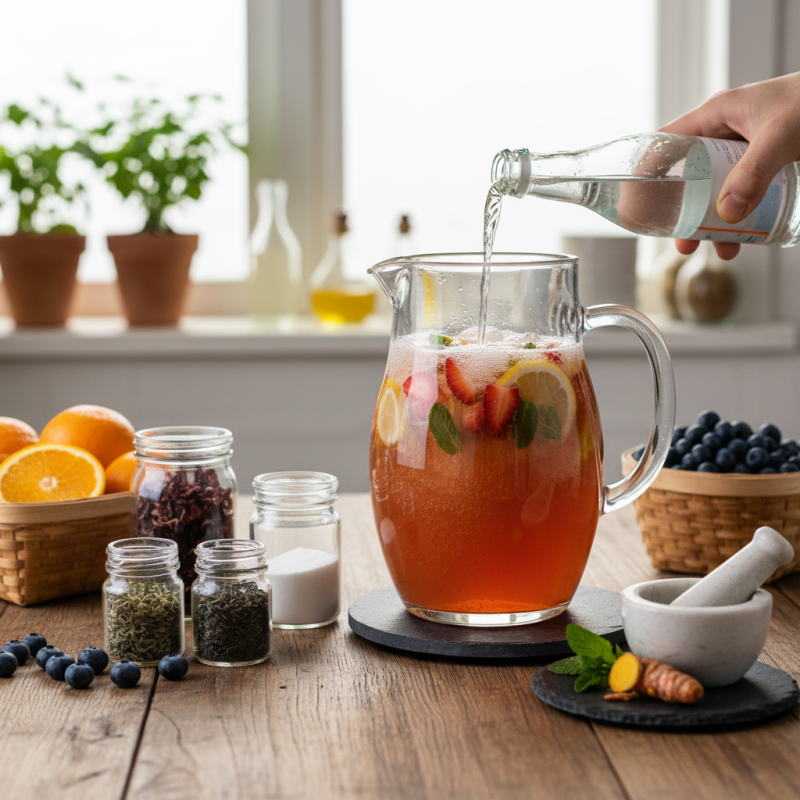
Understanding the Ingredients for a Homemade Energy Drink
Creating your own energy drink can be a fun and rewarding project. It gives you control over what goes into your body. Understanding the ingredients is the first step. You want to keep things simple and effective.
Caffeine is a popular choice. It can boost energy and focus, but too much can lead to jitters. A small amount is often enough. Natural sugars, like honey or agave, provide a quick energy source. They taste good, too! Adding a pinch of salt helps with electrolytes, especially during hot days or workouts.
Don’t forget about hydration. Water is essential in any drink. You can enhance the flavor with fresh fruit juice. Citrus fruits can add a zesty touch and extra vitamins. Keep experimenting, but be cautious. Some combinations may not taste great. Testing and adjusting are part of the process. Stay mindful of your body's reactions as you create your ideal boost.
Homemade Energy Drinks Nutrient Comparison
This bar chart compares the key ingredients used in homemade energy drinks, illustrating their nutritional contributions per serving.
Essential Equipment Needed for Making Energy Drinks at Home
Making energy drinks at home can be fun and rewarding. To start, you’ll need some essential equipment. A blender is at the top of the list. It helps combine ingredients smoothly. You might also want a juicer. Fresh juices give your drink a unique taste. A mixing bowl is handy for prepping your ingredients.
Don't forget a measuring cup. Accurate measurements are crucial for the right flavor. A whisk or spoon will help blend everything together. Additionally, consider using glass bottles for storage. They keep drinks fresh and are more eco-friendly. Sometimes, it can be tricky to get the flavor just right.
You may find that the first recipe doesn’t taste great. That's okay! Adjust the ingredients until you find your perfect mix. Remember to experiment with different fruits and natural sweeteners. Each attempt teaches you something new. It's a creative process. Embrace the imperfections as part of your journey to the ideal energy drink at home.
Step-by-Step Guide to Preparing Your Own Energy Drink
Making your own energy drink at home can be fun and rewarding. Start by gathering some basic ingredients. You’ll need water, fresh fruit, and a natural sweetener. Lemon and orange work well. These ingredients not only taste good but also provide vitamins.
Next, prepare your ingredients. Squeeze the juice from the fruits. In a blender, combine the juice with water. Add sweetener to taste. This process allows you to control the flavor and sweetness. You may want to adjust if it’s too tangy or too sweet. Tasting as you go is key.
After mixing, pour the drink into a bottle. Store it in the fridge to keep it fresh. Experiment with different fruits and ratios to find your perfect blend. If the drink doesn’t taste right, don’t worry. It takes practice to get it just right. Enjoy the process and make it your own!
Tips for Customizing Flavor and Nutritional Content
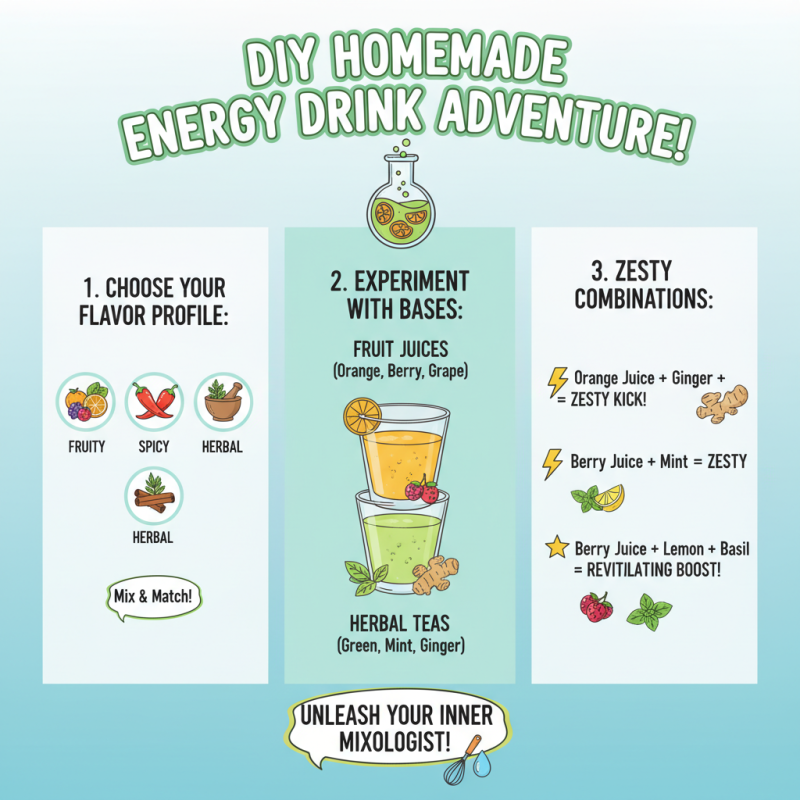
Creating your own energy drink at home can be a fun adventure. Start by thinking about what flavors you like. Do you prefer fruity, spicy, or herbal notes? Mixing fruit juices can yield interesting results. For example, combining orange juice and ginger can create a zesty kick. Adding a hint of mint can elevate the flavor further. Experimenting is key.
Nutritional content is equally important. Consider adding natural sweeteners like honey or maple syrup. Adjust the amount to suit your taste. Protein powders can make your drink more filling. You might want to add electrolytes, like a pinch of salt. This can help with hydration, especially after workouts. It's essential to reflect on what your body needs. Too much sugar can cause energy crashes.
Your energy drink should reflect your preferences. Sometimes, the combinations may not work. You might find that turmeric and pineapple clash unexpectedly. Take notes on what you enjoy and what you don’t. This way, you can refine your recipe over time. Embrace the process and enjoy the journey of creating a balanced energy drink.
Safety Precautions to Consider When Making Energy Drinks
Making energy drinks at home can be fun and rewarding. However, safety must come first. A report by the American Medical Association highlights that excess caffeine intake can lead to heart problems. Using common ingredients is essential, but measuring them accurately is crucial. Too much caffeine or sugar can be harmful. Many people overlook the risks associated with DIY energy drinks.
Electrolytes are important for hydration. A study showed that dehydration can reduce physical performance by up to 20%. Consider adding a pinch of salt or natural fruit juices; however, ensure they are fresh. These ingredients can enhance flavor and benefits. But, be cautious. Mixing too many ingredients can lead to adverse effects.
Always check for allergies. Some may react badly to natural ingredients, even those labeled as “healthy”. Keep in mind, balancing energy with safe consumption is vital. Professional guidance can help if you're unsure. Testing small batches first may prevent potential health issues. It's about experimenting while being responsible.