Why is Beverage Manufacturing Important for the Economy?
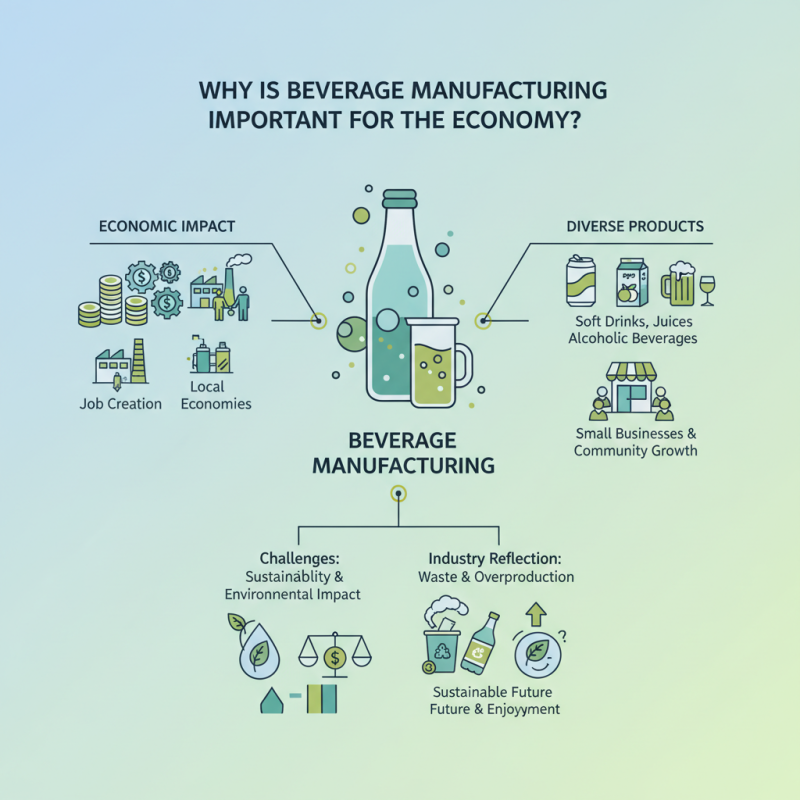
Beverage manufacturing plays a vital role in our economy. It encompasses a wide range of products including soft drinks, juices, and alcoholic beverages. This industry not only creates jobs but also fuels local economies.
When you think about beverage manufacturing, consider the many small businesses involved. From local breweries to juice makers, these companies contribute significantly to community growth. However, challenges exist. The sustainability of resources and environmental impact is a concern that needs addressing. Balancing profit with responsibility can be difficult.
While beverage manufacturing is crucial, it isn't without flaws. Overproduction can lead to waste, affecting both businesses and consumers. The industry must reflect on its practices. By doing so, it can ensure a more sustainable future while still providing joy through the drinks we love.
Importance of Beverage Manufacturing in Economic Growth
Beverage manufacturing plays a crucial role in economic growth. It creates numerous job opportunities. Workers in this sector gain valuable skills. These jobs stimulate local economies and elevate standards of living. Furthermore, beverage production encourages agricultural development and innovation.
The industry also fosters entrepreneurship. New businesses emerge daily, from craft breweries to juice bars. This vibrant competition fuels creativity and diversity. However, challenges exist. Small manufacturers often struggle with supply chains. Access to resources can be tough for startups. They must innovate constantly to survive. There is always room for improvement.
Sustainability is another critical aspect. Many companies are assessing their environmental impact. They aim to reduce waste and conserve water. Not all attempts succeed, leading to reflections on practices. Striking a balance between profit and responsibility is essential. The beverage sector’s influence on the economy is significant yet complex.
Contribution to Employment and Job Creation in the Beverage Sector
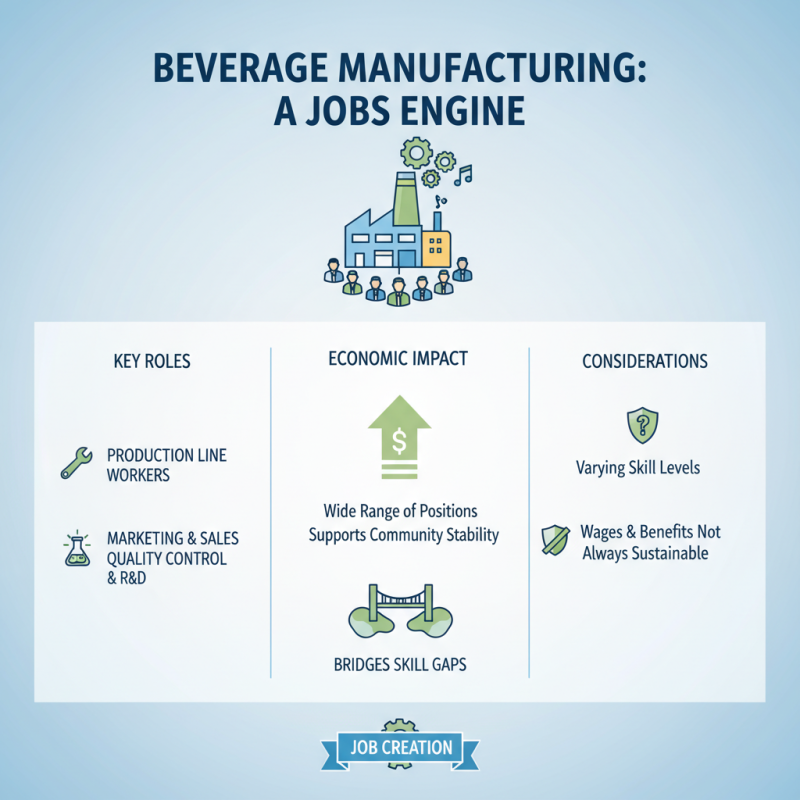
Beverage manufacturing plays a pivotal role in job creation. This sector provides a wide range of positions, from production line workers to marketing specialists. These jobs often require varying skill levels, which helps bridge the gap for many job seekers. For many communities, these roles are essential for economic stability. However, not all positions offer sustainable wages or benefits.
The beverage industry also supports indirect jobs. Suppliers of raw materials, packaging, and transportation benefit from the growth of this sector. This creates a ripple effect. Yet, there are challenges. Many entry-level positions can be low-paying, and turnover rates may be high. Workers may find it difficult to advance without additional training or education.
Moreover, while the beverage sector can drive employment, it also faces scrutiny. Issues like workforce diversity and working conditions need attention. Companies must reflect on how they treat employees. Continuous improvement is vital. Creating a thriving environment can lead to a more committed workforce and better economic outcomes for all.
Impact of Beverage Industry on Local and Global Trade
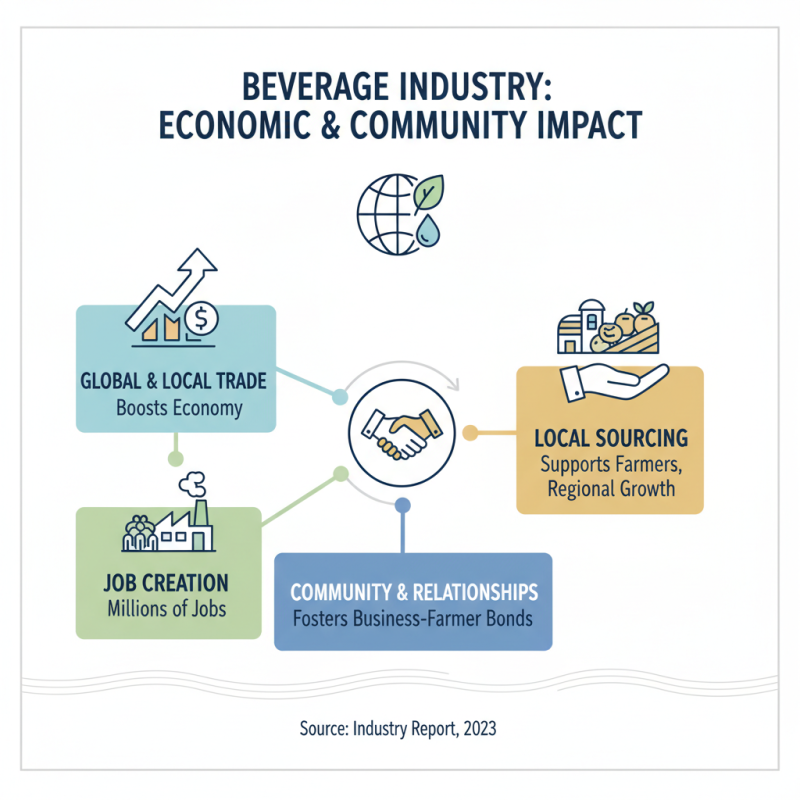
The beverage industry plays a vital role in both local and global trade. It contributes significantly to the economy by creating jobs. Local producers often source ingredients from nearby farmers, boosting the regional economy. This trade fosters relationships between businesses and farmers, creating a sense of community.
Globally, the beverage market generates billions in revenue. Trade agreements can affect prices and availability. Fluctuations in currency values also impact this industry. Some countries depend heavily on beverage exports for their economic stability. This can lead to vulnerabilities, especially when facing international disputes or changing regulations.
As consumers become more conscious, there's a push for sustainable practices. Many industries are reevaluating their sourcing methods. This awareness can lead to better choices. However, the challenge remains. How do producers balance profitability with environmental responsibility? Addressing this question is essential for future growth.
Role of Beverage Manufacturing in Innovation and Entrepreneurship
Beverage manufacturing is a significant driver of innovation and entrepreneurship. The industry thrives on creativity, diverse flavors, and new health trends. In recent years, the market has seen a surge in demand for healthier alternatives, including low-sugar and organic products. According to a report by the Beverage Marketing Corporation, the U.S. non-alcoholic beverage market is expected to grow by approximately 5% annually.
Entrepreneurs capitalize on evolving consumer preferences. Small businesses are launching unique ideas, like plant-based beverages and craft sodas. Their innovations challenge established norms. A National Small Business Association report indicates that the beverage sector contributes billions to the U.S. economy, showcasing its potential.
However, not every new product succeeds. Many startups struggle to differentiate their offerings. Competition is fierce. The average startup in the beverage industry only lasts about two years. This statistic raises questions about sustainability. Market dynamics demand constant adaptation and experimentation. It’s a journey that often involves trial and error. The potential for failure should not deter budding entrepreneurs. Each attempt offers invaluable lessons.
Why is Beverage Manufacturing Important for the Economy? - Role of Beverage Manufacturing in Innovation and Entrepreneurship
| Dimension |
Data |
| Total Annual Revenue of Beverage Industry (USD) |
~$500 billion |
| Percentage of Global GDP from Beverage Sector |
~2.5% |
| Employment in Beverage Manufacturing (Million Jobs) |
~1.5 million |
| Number of New Beverage Startups Annually |
~3,000 |
| R&D Investment as Percentage of Industry Revenue |
~1.8% |
| Contribution to Export Markets (USD Billion) |
~$90 billion |
Economic Benefits of Beverage Production and Consumption Patterns
The beverage industry plays a vital role in the economy. It creates jobs across various sectors. From production to distribution, many people rely on this industry for their livelihoods. Local economies benefit significantly as well. Small breweries and artisanal producers often thrive, boosting community pride.
Consumption patterns in beverages reflect cultural trends. People are trying to connect with their roots through traditional drinks. Many are also seeking healthier options due to rising awareness. This shift is crucial but can lead to oversaturation in the market. A balance must be struck between innovation and tradition.
Despite its growth, challenges persist. Environmental concerns arise with packaging waste. Water usage in production can be significant. Companies face pressure to improve their sustainability practices. Addressing these issues is essential for the industry’s future. The way forward must involve conscious decisions from both consumers and producers.
Importance of Beverage Manufacturing for the Economy
The beverage manufacturing sector plays a significant role in the economy. This bar chart illustrates the annual production value of various beverage categories, highlighting the economic contribution of each type. Water leads the category with a production value of $100 billion, followed by alcoholic beverages at $120 billion, showcasing the importance of beverages in consumer spending patterns.