2025 How to Launch a Successful White Label Energy Drink Brand in a Booming Market
In the vibrant landscape of the beverage industry, the white label energy drink market is rapidly gaining momentum, offering entrepreneurs a unique opportunity to carve out their niche. As experts like Dr. Jane Decker, a leading market analyst in the beverage sector, note, "The rise of white label energy drinks provides businesses with a chance to capitalize on consumer demand without the complexities of product development." This insight underscores the importance of understanding market trends and consumer preferences in creating a successful brand.
 Launching a white label energy drink involves not only selecting the right product but also effectively navigating the competitive landscape. With health consciousness on the rise and energy drinks becoming a staple among various demographics, the potential for profitability is astonishing. However, to thrive in this booming market, entrepreneurs must focus on strategic branding, quality ingredients, and targeted marketing campaigns. By leveraging existing consumer trust in established products, new brands can gain traction and build a loyal customer base.
As we explore the nuances of launching a white label energy drink brand, it’s crucial to consider the essential tips for navigating this dynamic market. By following the guidance of industry experts and learning from successful case studies, aspiring entrepreneurs can position themselves for success and harness the booming demand for energy drinks.
Identify Your Target Audience for White Label Energy Drinks
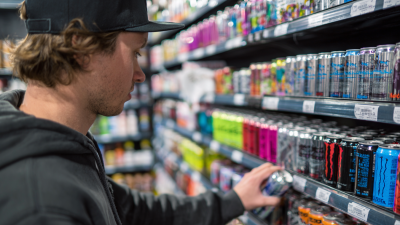
In the rapidly expanding market for energy drinks, understanding your target audience is crucial for launching a successful white label brand. Recent trends indicate a significant shift towards wellness-oriented products, especially among Millennials and Gen Z consumers, who are increasingly seeking healthier and functional beverage options. According to McKinsey's annual Future of Wellness survey, these consumers are prioritizing products that not only offer energy but also align with their values, such as sustainability and functional benefits.
To connect with this audience effectively, consider incorporating elements that resonate with their health-conscious lifestyle. Tips for identifying your target demographic include leveraging social media platforms where younger consumers engage, analyzing their purchasing habits, and understanding their preferences for functional ingredients. Additionally, conducting surveys or focus groups can provide deeper insights into their expectations for energy drinks.
It's also essential to stay updated on consumer preferences, as highlighted by the rise of functional beverages catering to those seeking more than just hydration. The combination of wellness and energy in product offerings can be a compelling selling point. Ensure your branding and marketing strategies reflect the desires of your identified target audience, focusing on transparency and quality that enhances their overall health experience.

Research Market Trends and Consumer Preferences in 2025
As we move into 2025, the energy drink market continues to flourish, driven by a surge in consumer demand for health-conscious and innovative beverage options. Recent reports indicate that the global energy drink market is projected to reach $86 billion by 2026, with a compound annual growth rate (CAGR) of 7.2%. Understanding market trends and consumer preferences is crucial for launching a successful white label energy drink brand in this competitive landscape.
One significant trend is the increasing consumer preference for natural ingredients and lower sugar content. According to a survey by Grand View Research, 54% of consumers prioritize natural and organic products in their beverage choices. Brands that emphasize transparency, sustainability, and health benefits are likely to resonate more with their target audience.
**Tips:** Focus on sourcing high-quality, organic ingredients and consider offering functional benefits, such as enhanced hydration or improved mental clarity. Additionally, leveraging social media for targeted marketing campaigns can help you connect with health-conscious consumers looking for alternatives to traditional energy drinks. Engaging in community-building activities can also foster brand loyalty among your customer base.
Develop a Unique Selling Proposition for Your Energy Drink Brand
In the growing energy drink market, which is projected to reach $86.01 billion by 2026 according to a market research report by Grand View Research, developing a unique selling proposition (USP) is critical for standing out. A compelling USP not only highlights what makes your product different but also resonates with the target audience's desires and needs. For instance, a brand that targets health-conscious consumers might emphasize natural ingredients and low-calorie formulations, tapping into the increasing demand for healthier beverage options. In fact, a recent report from Statista revealed that over 30% of energy drink consumers are specifically looking for options that offer natural ingredients and are free from artificial additives.
Moreover, creating a strong emotional connection through branding can serve as a powerful USP. For example, brands that incorporate specific lifestyle elements, such as fitness or adventure, can cultivate a dedicated following among consumers seeking motivation and inspiration. Data from Nielsen indicates that brands articulating a lifestyle narrative can achieve up to 38% higher engagement rates. By defining a clear demographic and aligning product features with the values of the target audience, new entrants can effectively carve out a niche in this booming market.
2025 How to Launch a Successful White Label Energy Drink Brand in a Booming Market
| Aspect |
Description |
Data |
| Market Size |
Estimated total market size for energy drinks in 2025 |
$86 billion |
| Growth Rate |
Annual growth rate from 2020 to 2025 |
6.4% |
| Target Demographic |
Primary age group consuming energy drinks |
18-34 years |
| Key Ingredients |
Most popular ingredients preferred by consumers |
Caffeine, Taurine, B Vitamins |
| Unique Selling Proposition |
Potential unique selling points for a new brand |
Natural ingredients, Low sugar, Functional benefits |
| Distribution Channels |
Main channels to reach consumers |
Online retail, Convenience stores, Gyms |
Establish Strong Partnerships with Reliable Suppliers and Manufacturers
Establishing robust partnerships with reliable suppliers and manufacturers is crucial for launching a successful white label energy drink brand in today's booming market. Selecting the right partners ensures consistent quality, timely production, and the ability to scale operations efficiently. Start by conducting thorough research to identify potential suppliers with a proven track record in the beverage industry. Look for manufacturers that specialize in energy drinks and have the capacity to meet your specific formulation and packaging requirements.
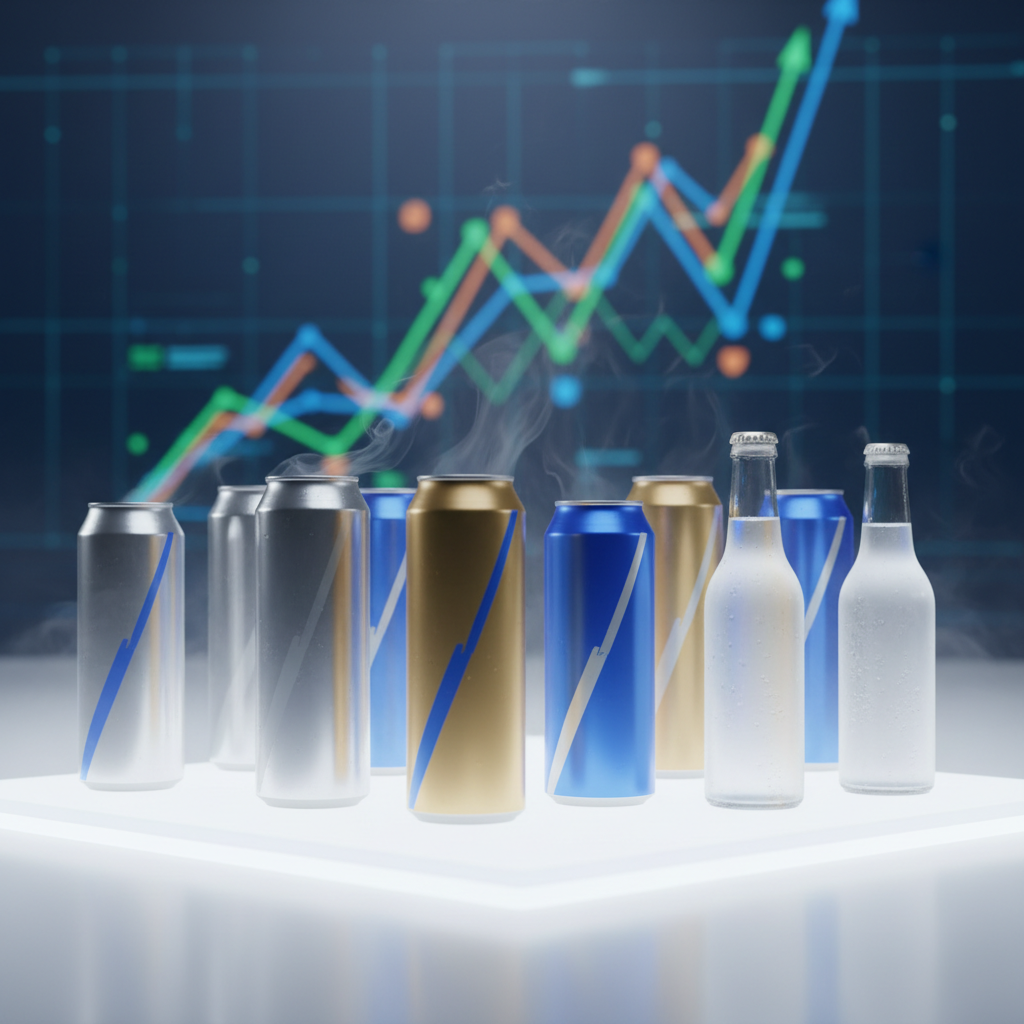
Building strong relationships with suppliers goes beyond just contracts and negotiations. Open lines of communication are vital; this allows for collaborative discussions on trends, ingredient sourcing, and any needed adjustments in response to market demands. Additionally, consider suppliers who are willing to innovate alongside you, offering insights into new flavor profiles or functional ingredients that can set your brand apart. With the right partnerships in place, your white label energy drink brand will be better positioned to capture market share and establish a sustainable presence in the highly competitive energy drink segment.
Create a Comprehensive Marketing Strategy to Launch Your Brand Successfully
Launching a white label energy drink brand requires a solid marketing strategy, especially in a booming market projected to reach $84.8 billion by 2026, according to a report by Grand View Research. To effectively capture market share, brands must first identify their target demographic, which has shown a growing preference for functional beverages. Youth engagement, particularly among consumers aged 18-34, can be enhanced through innovative branding and strategic partnerships with influencers, considering that this segment has a purchasing power that continues to rise.
In addition to targeting the right audience, leveraging digital marketing channels is crucial. Reports indicate that beverage companies that utilize social media effectively see engagement rates that are 10 times higher than traditional advertising methods. Implementing data-driven marketing campaigns that focus on customer preferences and behaviors will further increase brand visibility. Utilizing platforms such as Instagram and TikTok, brands can create captivating content that resonates with health-conscious consumers, highlighting the unique benefits of their energy drinks. This robust approach ensures a successful launch in a competitive and fast-growing market.