Top 10 Low Sugar Energy Drinks for Healthy Energy Boosts
In today's fast-paced world, maintaining energy levels is essential for productivity and overall well-being. However, many conventional energy drinks are laden with sugar, which can lead to a quick energy spike followed by a crash, not to mention the long-term health consequences associated with excessive sugar consumption. As more individuals become health-conscious, the demand for low sugar energy drinks has surged, offering a viable alternative for those seeking a reliable energy boost without compromising their dietary goals.
Low sugar energy drinks are crafted to provide the necessary stamina and alertness while minimizing the negative effects of sugar. These beverages often utilize natural ingredients and low-calorie sweeteners, making them an attractive option for fitness enthusiasts, busy professionals, or anyone looking to enhance their energy levels without the guilt. In this guide, we will explore the top 10 low sugar energy drinks that not only support your energetic lifestyle but also align with a healthier approach to hydration and nutrition. Whether you're hitting the gym or powering through a demanding workday, these selections are designed to keep you fueled and focused, all while keeping your sugar intake in check.
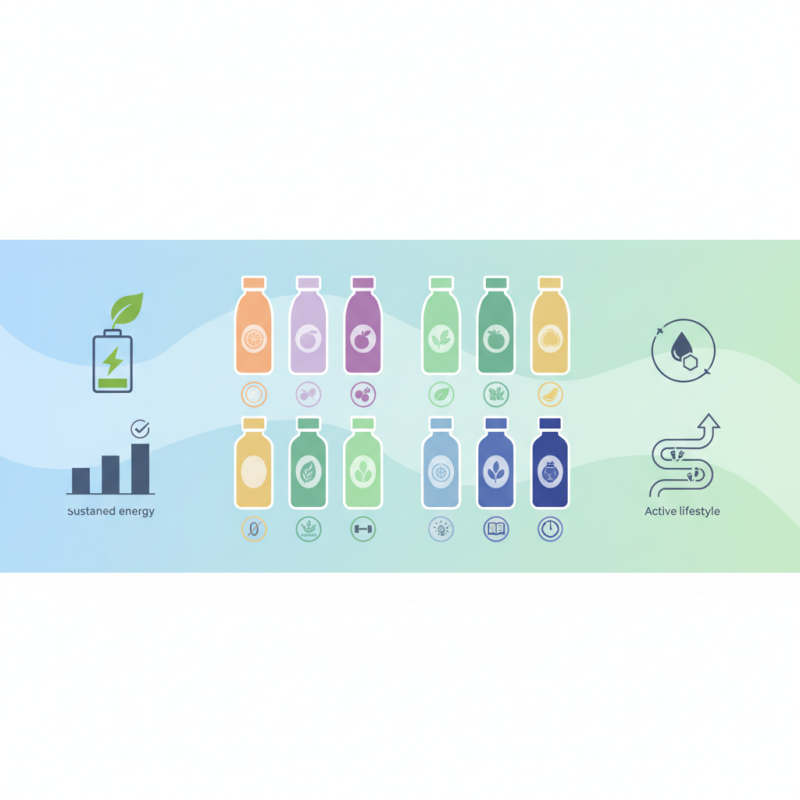
Top 10 Low Sugar Energy Drinks for Healthy Energy Boosts
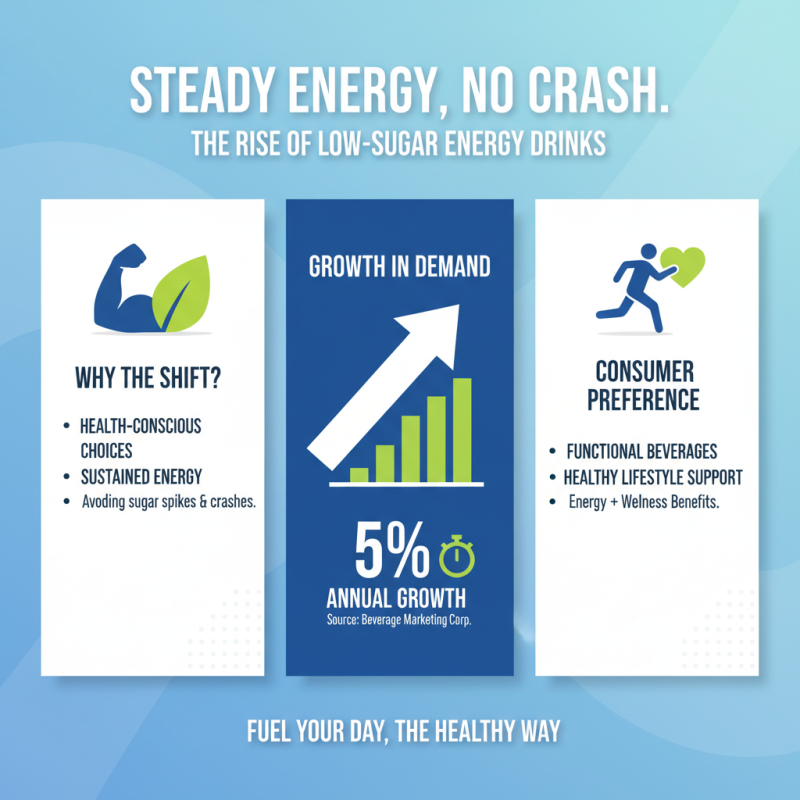
When it comes to maintaining energy levels without the crash that often accompanies high-sugar beverages, low sugar energy drinks have gained popularity among health-conscious consumers. According to a report by the Beverage Marketing Corporation, the demand for functional beverages, including energy drinks with lower sugar content, is growing at an annual rate of approximately 5%. This trend reflects a significant shift in consumer preferences towards products that support a healthy lifestyle while providing the necessary energy boost.
These drinks typically contain less than 5 grams of sugar per serving and are often infused with natural ingredients like green tea extract, B vitamins, and electrolytes, which contribute to sustained energy release and hydration. A study published in the Journal of Nutrition found that participants who consumed low sugar energy drinks experienced improved cognitive performance and mood, highlighting their efficacy as a healthier alternative to traditional high-sugar options. As more consumers become aware of the health implications of excessive sugar intake, the market for low sugar energy options is likely to expand further, underscoring the importance of making informed choices for both immediate energy needs and long-term wellness.
Understanding Low Sugar Energy Drinks and Their Benefits
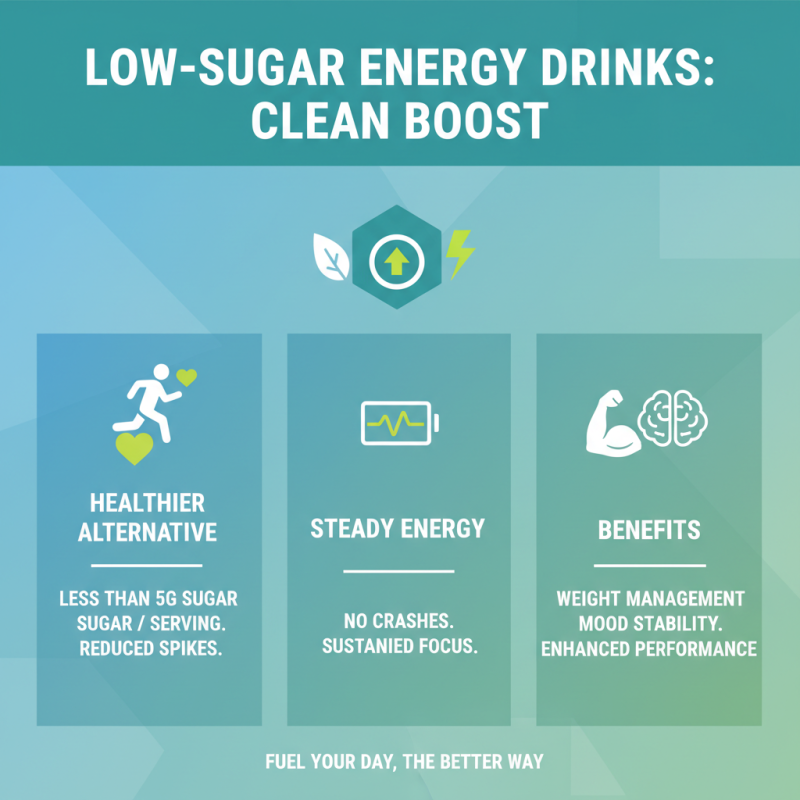
Low sugar energy drinks have gained popularity as more individuals seek healthier alternatives to traditional energy sources. These drinks typically contain fewer than five grams of sugar per serving, which helps to reduce the risk of sugar crashes and unwanted weight gain. The primary function of low sugar energy drinks is to provide a clean energy boost without the negative effects associated with excessive sugar consumption, such as spikes in blood sugar levels and subsequent crashes that can lead to fatigue and irritability.
One of the significant benefits of low sugar energy drinks is their ability to deliver essential nutrients and electrolytes, which can enhance hydration and overall performance. Many of these beverages are enriched with vitamins and minerals, offering a quick way to replenish energy levels while also supporting metabolic functions. Additionally, they often include natural stimulants such as caffeine from sources like green tea or yerba maté, providing a sustained energy boost without the jitters. This makes them an excellent choice for anyone looking to maintain focus and productivity throughout the day without the drawbacks of high sugar content.
The Importance of Monitoring Sugar Intake for Energy Levels
Monitoring sugar intake is crucial for maintaining healthy energy levels, especially given the wide availability of high-sugar beverages. Excess sugar can lead to sudden spikes and crashes in energy, leaving individuals feeling fatigued and unmotivated. This rollercoaster effect occurs because while sugar provides a quick boost, it also triggers the body to release insulin, which can result in low energy once the initial sugar high wears off. Consistent consumption of high-sugar drinks can lead to long-term health issues, including weight gain and increased risk of metabolic disorders.
In contrast, opting for low-sugar energy drinks can help sustain energy without the detrimental effects of excessive sugar. These alternatives typically contain ingredients that support endurance and cognitive function while keeping sugar content to a minimum. By choosing drinks with natural sources of energy, such as caffeine from tea or coffee, and incorporating electrolytes, individuals can promote a more stable energy release. This mindful approach to beverage selection not only aids in maintaining energy levels but also contributes to overall health and well-being, reinforcing the importance of being conscious about what we consume.
Top 10 Low Sugar Energy Drinks for Healthy Energy Boosts
Monitoring sugar intake is essential for maintaining healthy energy levels. The chart above displays the sugar content of the top 10 low sugar energy drinks, highlighting the importance of choosing options with lower sugar to avoid energy crashes.
Comparative Analysis of Caffeine Content in Popular Energy Drinks
When it comes to energy drinks, understanding the caffeine content is crucial for making informed choices. A comparative analysis of popular energy drinks reveals significant variances in caffeine levels, which can impact both energy boosts and overall health. According to a report from the Beverage Marketing Corporation, the average caffeine content in energy drinks typically ranges from 80 to 300 milligrams per serving. It’s essential to note that while caffeine can enhance alertness, excessive consumption can lead to unintended side effects such as increased heart rate and anxiety.
For those seeking low-sugar options, many energy drinks now provide an alternative without compromising energy levels. A study published in the Journal of Nutrition highlighted that drinks with moderate caffeine levels but lower sugar content can still provide effective energy without the sugar crash associated with high-sugar options. The key is to choose drinks that balance caffeine content with natural ingredients, promoting a healthier energy boost.
**Tips:** When selecting an energy drink, consider your personal caffeine tolerance and health goals. Also, monitor serving sizes to avoid excessive intake. Additionally, always read labels to ensure you are choosing products with low sugar and natural ingredients to support your energy needs without sacrificing your health.
Top 10 Low Sugar Energy Drinks for Healthy Energy Boosts
| Drink Name |
Caffeine Content (mg) |
Sugar Content (g) |
Calories |
Additional Ingredients |
| Energy Drink A |
80 |
2 |
40 |
B vitamins, electrolytes |
| Energy Drink B |
100 |
1 |
20 |
Taurine, ginseng |
| Energy Drink C |
90 |
0 |
15 |
Green tea extract, vitamins |
| Energy Drink D |
120 |
3 |
50 |
Ginseng, guarana |
| Energy Drink E |
110 |
4 |
30 |
Electrolytes, vitamin C |
| Energy Drink F |
130 |
2 |
60 |
B vitamins, antioxidants |
| Energy Drink G |
75 |
1 |
25 |
L-Carnitine, CoQ10 |
| Energy Drink H |
150 |
5 |
70 |
Vitamins, herbal extracts |
| Energy Drink I |
100 |
0 |
10 |
Electrolytes, natural flavor |
| Energy Drink J |
95 |
3 |
45 |
Ginseng, caffeine from green tea |
Nutritional Profiles: Essential Ingredients in Low Sugar Energy Drinks
When it comes to staying energized without the excess sugars found in many traditional energy drinks, understanding the nutritional profiles of low sugar options is crucial. These beverages typically prioritize essential ingredients like natural caffeine sources, B vitamins, and electrolytes, while minimizing added sugars.
According to a recent market report by Grand View Research, the global energy drink market is projected to reach $200 billion by 2026, underscoring the demand for healthier alternatives. Increasingly, consumers are drawn to products featuring stevia or monk fruit as sweeteners, which provide a sweet taste without the calories associated with sugar.
An effective low sugar energy drink often contains about 5-10 calories per serving and includes over 100 mg of natural caffeine, derived from sources such as green tea extract or guarana. Additionally, the inclusion of B vitamins, particularly B6 and B12, facilitates energy metabolism, enhancing physical and cognitive performance. The functional benefits of electrolytes, such as potassium and sodium, cannot be overstated, as they help maintain hydration levels.
The Journal of Herbal Medicine has noted that incorporating adaptogens like rhodiola rosea can further support stamina and reduce fatigue, making these drinks ideal for health-conscious individuals seeking a sustainable energy boost.
Conclusion
In today’s health-conscious world, low sugar energy drinks have gained popularity for those seeking an energy boost without the detrimental effects of high sugar intake. These beverages offer a variety of benefits, including improved energy levels and reduced risk of sugar-related health issues. Understanding the nutritional profiles of low sugar energy drinks is essential, as they often contain vital ingredients that provide sustained energy and hydration while keeping sugar content minimal.
Monitoring sugar intake is crucial for maintaining optimal energy levels, as excessive sugar can lead to energy crashes and other health problems. A comparative analysis of caffeine content across popular low sugar energy drinks reveals a diverse range of options, catering to various consumer preferences and trends in the market. As more individuals gravitate towards healthier alternatives, the demand for low sugar energy drinks continues to rise, making them a staple for those aiming to enhance their energy without compromising their health.