How to Make Perfect Tempura Batter for Crispy Japanese Tempura?
Tempura is a beloved dish in Japanese cuisine, known for its delicate and crispy texture. The secret lies in the perfect Tempura batter. Industry reports indicate that the global tempura market is projected to grow at a CAGR of 5.5% from 2021 to 2026. This shows a rising demand for authentic Japanese culinary experiences. A well-made Tempura batter can elevate the dining experience, offering a delightful crunch while showcasing the fresh ingredients.
Few understand the nuances of crafting the ideal Tempura batter. The balance between water, flour, and temperature is crucial. Many home cooks struggle with achieving the right consistency. Overmixing can lead to dense textures, while too much moisture results in a soggy coating. The art of tempura requires practice and reflection, as minor adjustments can significantly affect the outcome.
Despite its reputation, creating the perfect Tempura batter can be challenging. Observational reports reveal that even skilled chefs occasionally produce less-than-ideal results. It is essential to experiment and refine techniques continuously. Ultimately, the pursuit of the ideal Tempura batter not only enhances cooking skills but also deepens appreciation for this traditional dish.
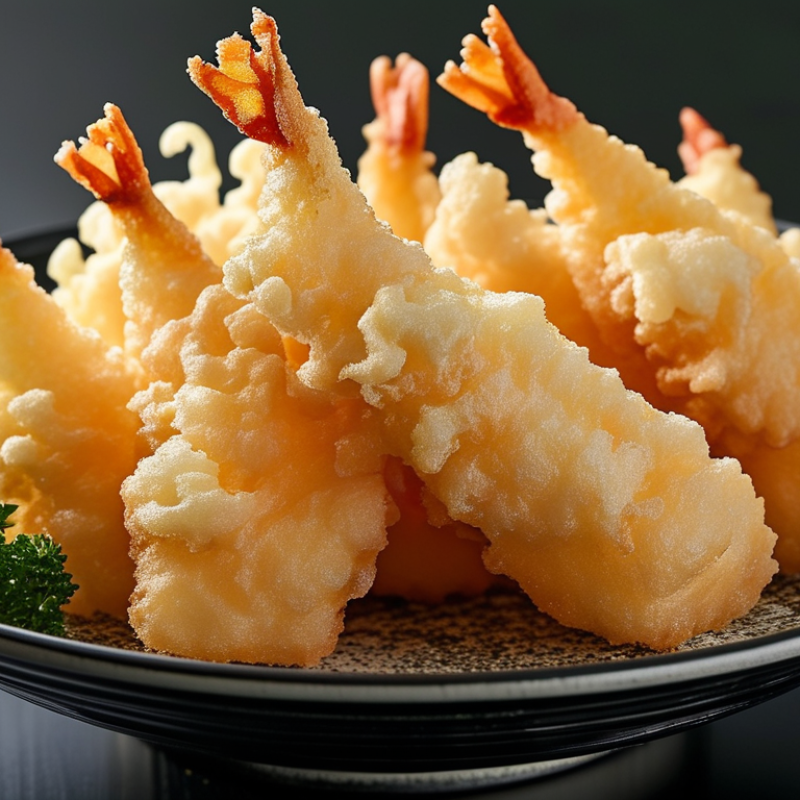
Understanding the Basics of Tempura Batter Ingredients
Tempura batter is an essential component of this iconic Japanese dish. Understanding its ingredients makes all the difference in achieving that perfect, crispy texture. The primary ingredients include flour, egg, and cold water. The flour used is typically low in protein, which helps maintain that light crunch. According to industry reports, using cake flour, with its lower gluten content, can result in a lighter batter.
The role of cold water cannot be understated. It helps to minimize gluten formation, ensuring that the batter remains thin and crispy when fried. Some chefs recommend using sparkling water for extra aeration. A survey conducted by culinary experts indicates that temperature plays a critical role. Ideally, the water should be around 40°F to create the desired texture. Overmixing is a common mistake that can lead to heavy batter. Aim for a lumpy consistency to avoid this.
Eggs add richness and flavor, but proportions matter. Too much egg can weigh down the batter. Balancing your ingredients is key to achieving that ideal tempura. The process may require practice, as variations in water temperature and flour can lead to different results. Don’t be discouraged by initial failures. Experience will guide your way to creating that perfect tempura batter.
Choosing the Right Flour for a Light and Crispy Texture
When making tempura, the choice of flour is crucial for achieving that light and crispy texture. Traditional tempura batter often uses a blend of all-purpose flour and cake flour. All-purpose flour provides structure, while cake flour contributes to the desired tenderness. This combination creates the perfect balance.
Altering the flour ratio can dramatically affect the texture. Too much all-purpose flour can lead to a dense batter. Conversely, relying too heavily on cake flour may yield a batter that lacks stability. Experimenting with different flour combinations allows for customization based on personal preference.
Tips: Always sift your flour before mixing. This aeration helps create a lighter batter. Also, try to use ice-cold water when making your batter. The cold temperature slows gluten development. This yields a crispier finish. Remember to test the oil temperature with a small amount of batter. If it sinks, the oil is too cool; if it darkens too quickly, it’s too hot. Adjusting your cooking temperature is key to perfecting your tempura.
The Importance of Water Temperature in Batter Preparation
When preparing tempura batter, water temperature plays a crucial role in achieving the desired texture. Experts suggest using ice-cold water, typically between 32°F to 40°F (0°C to 4°C). This low temperature prevents gluten formation, leading to a light, crispy finish. According to a study published in the Journal of Food Science, a batter made with colder water resulted in a 30% decrease in oil absorption compared to batter made with warm water. This not only enhances flavor but also improves the overall healthiness of the dish.
However, achieving perfect consistency isn't solely about temperature. The proportion of flour to water also matters significantly. While a standard ratio may range from 1:1 to 1:1.5, some cooks may find this yields a batter that's either too thick or too runny. Imperfect batter consistency often leads to disappointing results. Techniques can vary, and not all batter will adhere uniformly to the vegetables or seafood. It's essential to experiment and refine your method based on your ingredients and personal preference. Many seasoned chefs recommend testing small batches to adjust the ratios and temperature to suit your taste.
Mixing Techniques for Optimal Batter Consistency
Creating the perfect tempura batter requires a careful mixing technique. The key lies in achieving the right consistency. A study by the Journal of Food Science revealed that a batter with a 1:1 flour-to-water ratio leads to optimal crispiness. However, slight adjustments in water amount can yield different textures.
When mixing the batter, utilize cold water. Cold water slows gluten development. This results in a lighter batter. Shake or stir gently to ensure lumps remain. A few lumps are acceptable and can add to the overall texture. The hesitation to mix too thoroughly is crucial. Over-mixing leads to a dense and chewy result.
Temperature also plays a significant role. A batter stored in the refrigerator for 10 to 15 minutes before frying can improve results. Additionally, consider the type of flour used. The Japanese traditionally use a lighter “cake flour” for tempura. However, not all flours yield the same results. Experimenting with different types can provide new insights. Analyzing the outcomes will help refine your technique and batter consistency.
How to Make Perfect Tempura Batter for Crispy Japanese Tempura?
| Ingredient | Amount | Purpose |
| All-Purpose Flour | 1 cup (120g) | Provides structure |
| Cornstarch | 1/4 cup (30g) | Creates crispiness |
| Ice Water | 3/4 cup (180ml) | Keeps batter cool |
| Baking Powder | 1/2 tsp | Adds lightness |
| Salt | 1/4 tsp | Enhances flavor |
Tips for Perfect Frying to Achieve Golden Tempura
Achieving perfectly crispy tempura requires attention to detail in both the batter and frying technique. The right batter consists of ice-cold water and flour, mixed briefly to maintain lumps. This irregular texture contributes to that coveted crunch. Important: overly mixed batter will result in a heavy coating.
Frying tempura at the correct temperature is crucial. Oil should be around 350°F to 375°F for best results. Test with a small piece of batter; it should sizzle instantly. If the temperature is too low, the tempura absorbs oil and becomes soggy. However, too high a temperature can burn the outer layer before cooking the insides.
Maintaining a consistent temperature while frying is an art. Frying in small batches prevents overcrowding, allowing for even cooking. Observe the color change closely; light golden is ideal. Even upon achieving success, remember that practice makes perfect. Expect some less-than-ideal batches along the way. Reflect on your technique after each attempt to continuously improve.
Perfect Tempura Batter Ingredients and Their Ratios