Unlocking the Potential of Private Label Energy Drinks in a Rapidly Growing Market
The energy drink market has experienced unprecedented growth in recent years, with global sales expected to reach $61 billion by 2024, according to a report by ResearchAndMarkets.com. As consumers increasingly turn to these beverages for a quick energy boost, brands are exploring innovative ways to capture market share. Among the most promising opportunities lies in the realm of private label energy drinks, which have gained traction due to their unique positioning and value-for-money proposition.
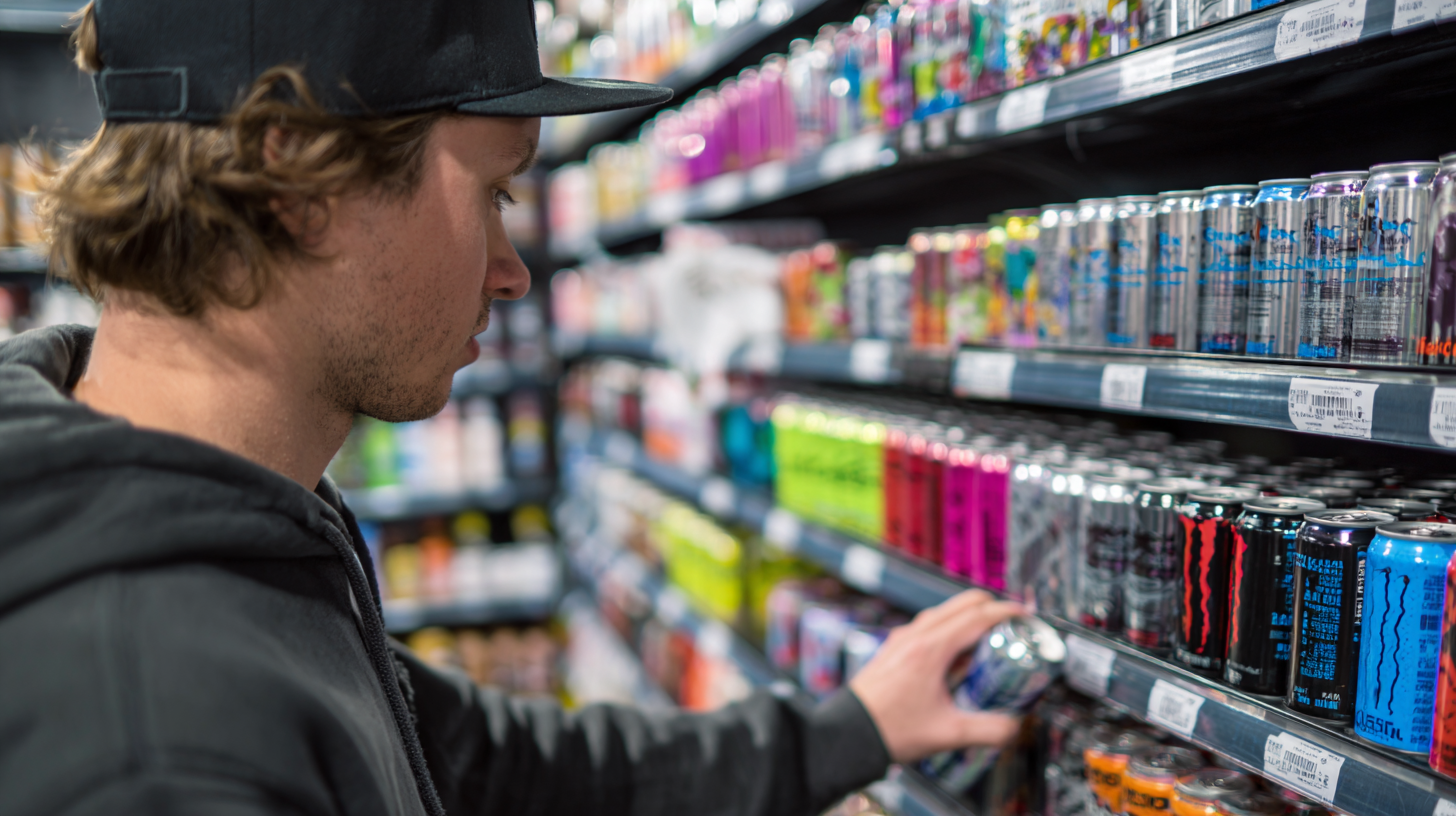
Private label energy drinks are typically produced by one company for sale under another retailer's brand. This business model offers retailers the flexibility to create tailored products that cater to their specific customer base, all while capitalizing on the growing trend of health-conscious consumption. According to Nielsen, the market for private label beverages is projected to grow at a rate of 6.8% annually, indicating a significant shift in consumer preferences towards more cost-effective alternatives without sacrificing quality.
As this segment expands, retailers have a unique opportunity to leverage data analytics and consumer insights to unlock the potential of private label energy drinks. By aligning product offerings with consumer demands, businesses can enhance brand loyalty and drive revenue growth in a rapidly evolving marketplace. The blend of innovation, strategic marketing, and a focus on quality will be key to sustaining success in this competitive landscape.
Exploring the Rising Demand for Private Label Energy Drinks in Today's Market
The demand for private label energy drinks has surged significantly in recent years, fueled by a growing health-conscious consumer base and an increasing preference for personalized products. According to a report from Grand View Research, the global energy drinks market size was valued at approximately $40.5 billion in 2021 and is expected to expand at a compound annual growth rate (CAGR) of 7.2% from 2022 to 2030. This rapid growth directly correlates with the rise in popularity of private label options, which often provide a cost-effective alternative to established brands without compromising on quality.
Retailers are keen to capitalize on this trend, as private label energy drinks offer higher profit margins compared to branded products. A study from Nielsen found that private label energy drinks grew by 16% in 2021, vastly outpacing the 4% growth of branded competitors. The appeal lies in the ability of retailers to cater to local tastes and preferences while maintaining competitive pricing. Furthermore, with the modern consumer's increasing interest in clean labels and natural ingredients, private label brands are positioning themselves to meet these evolving demands effectively, thereby unlocking immense potential in this vibrant sector.
Key Factors Driving Growth in Private Label Energy Drink Segment
The private label energy drink segment is surging, driven by several key factors that highlight its potential in the rapidly growing market. According to a report by Grand View Research, the global energy drinks market is expected to reach USD 86.01 billion by 2026, growing at a CAGR of 7.7%. Retailers are capitalizing on this momentum by offering private label options, which provide consumers with affordable alternatives without compromising quality. This strategic move not only enhances brand loyalty but also allows retailers to improve their margins as they benefit from reduced overhead costs associated with marketing and distribution.
Another significant driver is the shift in consumer preferences towards healthier options. A study from Mintel reveals that 49% of energy drink consumers are actively seeking brands that offer natural ingredients and functional benefits. Private label brands are increasingly meeting this demand by creating formulations that include plant-based ingredients, vitamins, and minerals, appealing to health-conscious shoppers. Additionally, the rise of e-commerce has facilitated easier access to these products, allowing private labels to reach a broader audience. As more consumers seek personalized and cost-effective energy solutions, the potential for private label energy drinks continues to expand, making it a formidable segment in the beverage industry.
Strategies for Successful Branding and Positioning of Private Label Energy Drinks
As the demand for energy drinks continues to soar, private label brands have a unique opportunity to carve out their niche in this competitive market. Successful branding and positioning are crucial for these products to stand out and attract loyal customers. One effective strategy is to focus on creating a distinct brand identity that resonates with target consumers. This involves understanding their preferences and emphasizing unique selling points, such as organic ingredients or innovative flavors.
**Tips for Branding**: Leverage social media platforms to engage with your audience. Share authentic content that reflects your brand’s values and vision. Collaborating with influencers who align with your brand can also amplify your messaging and reach.
In addition, positioning your private label energy drink in a way that highlights its health benefits can be a game-changer. With increasing consumer awareness around health and wellness, emphasizing aspects like lower sugar content or added vitamins can attract health-conscious buyers.
**Tips for Positioning**: Conduct market research to identify gaps in the current offerings. Use this data to tailor your product claims and ensure your messaging is clear and compelling. Highlighting the values of sustainability and ethical sourcing can also enhance your brand image in the eyes of eco-conscious consumers.
Market Share of Private Label Energy Drinks (2023)
Innovative Flavor Profiles: Capturing Consumer Preferences in Energy Drinks
The energy drink market is experiencing a surge in demand, fueled by a growing consumer base seeking innovative products that align with their health and lifestyle preferences. As private label brands tap into this lucrative market, they have a unique opportunity to differentiate themselves through creative flavor profiles that cater to varied consumer tastes. Those flavors can range from exotic fruit blends to herbal infusions, appealing to adventurous consumers and health-conscious individuals alike.
Developing unique flavor combinations not only elevates the sensory experience for consumers but also enhances brand identity. By understanding and integrating consumer preferences, private label energy drinks can resonate more effectively with their target audience. Market research shows that consumers are increasingly drawn to flavors that evoke natural ingredients and functional benefits, such as superfoods and adaptogens. As these preferences evolve, private label brands must stay on the cutting edge of flavor innovation to capture consumer loyalty and thrive in this rapidly expanding market.
Navigating Regulatory Challenges in the Private Label Beverage Industry
The private label beverage industry is experiencing significant growth, particularly in the energy drink segment. However, navigating the complex regulatory landscape remains a formidable challenge for companies looking to capitalize on this potential. As consumer preferences shift toward healthier and more sustainable options, brands must ensure compliance with stringent labeling requirements, ingredient regulations, and safety standards set by various authorities.
Additionally, the evolving retail landscape necessitates that companies stay abreast of changes in regulations related to marketing and advertising practices. With a rise in scrutiny over health claims and the impact of digital marketing strategies, it is crucial for brands to adopt transparent practices that not only align with regulatory demands but also resonate with increasingly conscious consumers. By adeptly managing these regulatory challenges, private label energy drink brands can effectively position themselves in a competitive market, ultimately unlocking their full potential.