How to Start Your Own Private Label Sparkling Water Brand?
Starting a private label sparkling water brand is an exciting venture. Industry expert Sarah Thompson says, “The rise of unique flavors is key to standing out.” This highlights the importance of creativity in a crowded market. As consumers look for refreshing alternatives, the demand for private label sparkling water is on the rise.
Creating your brand requires careful planning. Research your target market to understand their preferences. Focus on quality ingredients and eye-catching packaging. Your water's taste should reflect the uniqueness you promise. However, it’s essential to remember that success takes time. Many entrepreneurs underestimate the challenges involved.
Mistakes are part of the journey. It’s critical to listen to feedback and adjust your strategy accordingly. You may face competition from established brands. Yet, with diligence and a clear vision, your private label sparkling water can carve a niche. Embrace the learning curve, and let your passion guide you.
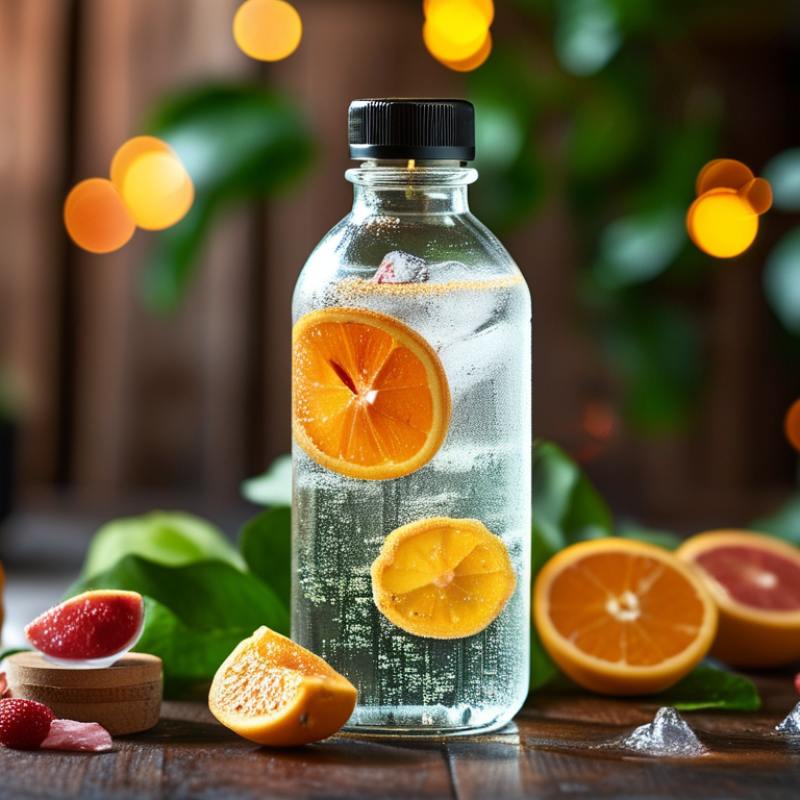
Understanding the Basics of Private Label Brands in Beverages
Starting a private label sparkling water brand can be an exciting venture. Understanding the basics of private label brands in beverages is essential for success. According to a report by Grand View Research, the global sparkling water market is projected to reach $63.5 billion by 2025. This trend shows consumers' growing preference for healthier beverage options. Private labels are increasingly popular, offering unique flavors and branding while keeping costs manageable.
When entering this market, focus on quality sourcing. Seek suppliers who offer pure water and natural carbonation. For flavoring, consider using extracts or essences derived from real fruits. This appeals to health-conscious buyers looking for natural products. Use clear messaging on the label. Transparency builds trust and reflects quality.
Tip: Conduct market research to identify trending flavors in your target demographic. Use social media and forums to gather insights. There may be some trial and error involved. For instance, not all flavors appeal universally. Be prepared to adapt your product line based on consumer feedback. Regularly evaluate which products perform well and which do not. This ongoing analysis is crucial to maintaining relevancy in a competitive market.
Researching Your Target Market for Sparkling Water Products
Understanding your target market is crucial when launching a private label sparkling water brand. Start by identifying your audience. Are they health-conscious individuals, young professionals, or families seeking alternative beverages? Surveys and focus groups can provide valuable insights. Ask potential customers about their preferences. What flavors do they enjoy? What price points do they find acceptable?
Next, analyze current trends in the sparkling water market. Research brands that are popular today. Look for gaps in the market. Are there unique flavors or health benefits that consumers are missing? Consider both the ingredients and the packaging. Sustainable materials are a hit with eco-conscious buyers. Emphasizing local sourcing could resonate with your target demographic.
Reflect on your findings. You may discover that popular trends shift rapidly. It’s essential to stay adaptable. Customer preferences can be influenced by social media fads or seasonal changes. Be prepared to pivot based on feedback and emerging trends. Regularly update your research to remain relevant in a competitive landscape. This ongoing process will help you build a trusted brand that meets the needs of your audience.
Market Analysis of Sparkling Water Preferences
Selecting Quality Ingredients and Sourcing Suppliers
Selecting quality ingredients is crucial when starting your own private label sparkling water brand. The taste, aroma, and overall mouthfeel depend heavily on the mineral content and water source. Sourcing high-quality spring or purified water should be your priority. Research local springs and ensure they meet health regulations. Consider conducting taste tests to ensure the water's flavor complements your brand's profile.
Next, evaluate your ingredient suppliers carefully. Many suppliers offer various mineral blends to enhance taste. Look for suppliers with a solid reputation and reliable quality assurance processes. Verify their certifications and reviews. A supplier with a transparent sourcing process builds trust and credibility. Don’t hesitate to ask for samples. It’s vital that you feel confident in your choices.
You may encounter challenges while developing your product. It’s common to find a supplier whose offerings don’t meet your expectations. This situation requires flexibility and open communication. Regularly review your ingredient choices and supplier performance. This approach allows you to adjust your product as needed. A commitment to quality not only elevates your brand but also helps establish a loyal customer base.
Designing Effective Branding and Packaging for Your Product
When creating a private label sparkling water brand, branding and packaging are crucial. Effective design not only attracts customers but also communicates your brand's values. Think about colors, fonts, and visuals that reflect your identity. A minimalist approach may appeal to health-conscious consumers, while vibrant designs attract younger audiences.
Tips: Use bold colors to stand out. Simplicity often attracts the eye. Consider eco-friendly packaging to appeal to environmentally conscious customers.
Your packaging should tell a story. Include information about sourcing, sustainability, or health benefits. This builds trust and offers transparency. Consumers want to understand what they are buying. Ensure your text is clear and concise. Avoid clutter that could confuse your audience.
Tips: Use clear fonts for readability. Highlight key ingredients or certifications prominently. Test different designs to see which resonates best with your target market.
Keep in mind that even well-thought-out designs may require adjustments. Listen to customer feedback. Discuss your branding with focus groups. Understanding the impact of your packaging is essential. Iterate based on insights you gain.
Navigating Legal Regulations and Compliance for Beverage Sales
Starting a private label sparkling water brand requires careful attention to legal regulations. One key aspect is understanding food safety standards. You must comply with local health department requirements. This can include passing inspections and ensuring proper labeling. A small mistake in this stage can lead to costly fines or product recalls. Research is crucial here.
Next, consider the licensing and permits needed to operate. Different states have varying requirements for beverage sales. You may need a specific beverage license or even a business license. Gathering necessary documentation can be tedious. Be prepared for potential delays in approvals, which can slow down your launch. Legal compliance is an ongoing effort. Regularly review changes in regulations that affect your product.
Additionally, you should be transparent with your sourcing and ingredients. Consumers appreciate honesty, and it builds trust. Providing clear information about allergens or flavors can set your brand apart. However, you may find that not all suppliers meet your standards. This might necessitate difficult conversations or changes in partnerships. Balancing compliance with quality is a challenge, but it’s essential for success in the beverage industry.