How to Start a Beverage Manufacturing Business from Scratch Tips and Insights
Starting a beverage manufacturing business from scratch is an exciting yet challenging endeavor that promises both creativity and potential profitability. According to industry expert Dr. Emily Carter, renowned for her insights in beverage innovation, "The key to success in beverage manufacturing lies not only in the quality of the product but also in understanding market trends and consumer preferences." This statement underscores the importance of research and strategic planning in a field that is rapidly evolving, fueled by increasing consumer demands for variety, health, and sustainability.
Navigating the complex landscape of beverage manufacturing requires a solid foundation of knowledge and a well-thought-out approach. From sourcing ingredients to understanding production methods, every step plays a crucial role in the end product's success. Aspiring entrepreneurs must also consider regulatory requirements, branding strategies, and distribution channels to ensure their beverages reach the intended audience. This guide aims to equip you with key tips and insights that will enable you to transform your beverage ideas into a thriving business venture. With the right preparation and determination, you can carve a niche for yourself in the dynamic world of beverage manufacturing.

Understanding the Beverage Industry Landscape and Market Trends
The beverage industry is a dynamic and ever-evolving market influenced by changing consumer preferences, health trends, and environmental considerations. As more consumers seek healthier options, there has been a notable shift towards low-calorie drinks, natural ingredients, and functional beverages that offer additional health benefits. Understanding these trends is crucial for anyone looking to enter the beverage manufacturing sector. Manufacturers must stay informed about market demands, such as the rise of plant-based beverages and the growing popularity of non-alcoholic alternatives.
Moreover, environmental sustainability has become a significant focus within the beverage landscape. Consumers are increasingly concerned with packaging waste and the sourcing of ingredients. This has led to a rise in innovative packaging solutions and practices that minimize carbon footprints. New entrants in the market must not only offer appealing products but also adopt sustainable practices that resonate with eco-conscious consumers. By staying attuned to these trends and the broader market landscape, aspiring beverage manufacturers can better position themselves for success in this competitive industry.
How to Start a Beverage Manufacturing Business from Scratch Tips and Insights
| Category |
Market Size (2023) |
Growth Rate (CAGR) |
Key Trends |
Consumer Preferences |
| Non-Alcoholic Beverages |
$400 Billion |
5.5% |
Health-Conscious Products |
Low Sugar Options |
| Alcoholic Beverages |
$350 Billion |
4.2% |
Craft and Artisan Trends |
Premium Products |
| Bottled Water |
$200 Billion |
7.0% |
Sustainability Focus |
Preference for Natural Sources |
| Sports Drinks |
$30 Billion |
6.0% |
Functional Ingredients |
Electrolyte-Rich Formulations |
| Tea and Coffee |
$150 Billion |
3.5% |
Specialty Blends |
Organic and Fair Trade Options |
Identifying Your Niche: Types of Beverages and Target Audience
Identifying your niche is a critical first step in launching a successful beverage manufacturing business. With a vast array of options ranging from natural juices and energy drinks to plant-based milks and artisanal sodas, it's essential to determine which type aligns with your interests and expertise. Conducting thorough market research can help you identify emerging trends and gaps in the market. For instance, if you notice a rising demand for health-conscious beverages, you might consider creating a line of low-sugar, organic drinks that cater to health enthusiasts.
Once you've chosen your beverage type, understanding your target audience is paramount. Different customer segments have unique preferences and behaviors. For example, millennials may gravitate towards sustainable and eco-friendly packaging, while older consumers might prioritize functionality and health benefits. By profiling your ideal customer, you can tailor your marketing strategies and product features to meet their specific needs. Engaging with potential customers through surveys or social media can provide valuable insights, helping you refine your product offerings and ensure they're not only appealing but also meet the demands of your target market.
Developing a Business Plan: Key Components for Success
Developing a robust business plan is paramount for anyone looking to start a beverage manufacturing business. The first step involves conducting thorough market research to understand consumer preferences, industry trends, and competitor landscapes. This insight will help identify gaps in the market and opportunities for differentiation.
The next component is defining the target audience; understanding who the customers are will inform product development and marketing strategies. Clear identification of the ideal customer will ensure that all aspects of the enterprise, from flavor profiles to branding, resonate with the intended market.
Financial planning is another critical element of the business plan. Estimating start-up costs, operational expenses, and potential revenue streams will help establish a realistic budget. This not only aids in securing funding but also sets the stage for sustainability. Additionally, outlining production processes, sourcing of ingredients, and compliance with health and safety regulations is vital to ensure that the business operates smoothly. A solid business plan should also include a marketing strategy that highlights promotional tools and channels that will be used to engage with customers and build brand awareness.
By ensuring these components are well articulated, aspiring beverage manufacturers can lay a strong foundation for long-term success.
Setting Up Production: Equipment, Facilities, and Regulations
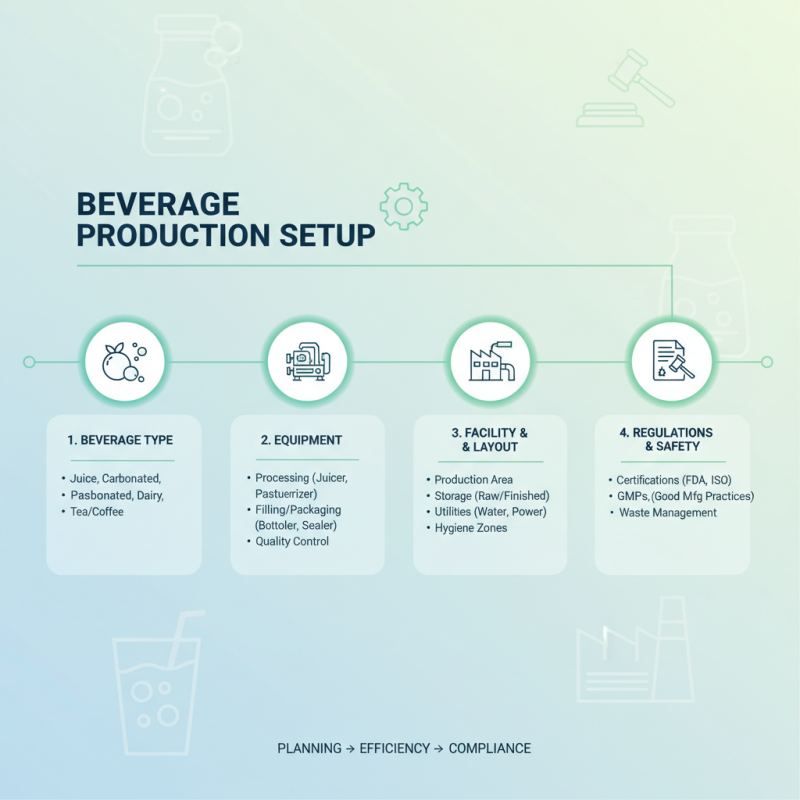
Setting up production for a beverage manufacturing business requires careful planning and a comprehensive understanding of the necessary equipment, facilities, and regulatory requirements. First and foremost, identify the type of beverage you aim to produce, as this will dictate your equipment needs. For example, a juice production line may require juicing machines, pasteurizers, and packaging stations, while a carbonated beverage line will need carbonation tanks and bottling systems. Investing in high-quality equipment not only ensures safety but also enhances production efficiency.
When it comes to facilities, it’s essential to choose a location that meets zoning regulations and provides adequate space for production, storage, and distribution. Ensure that your facility can accommodate your equipment and allow for a safe workflow. Additionally, maintaining cleanliness and hygiene in your production area is crucial, as it affects both product quality and compliance with health regulations.
**Tips**: Start by researching local regulations regarding beverage production in your area. Engage with local health departments to ensure you understand the necessary permits and inspections you will need to pass before launching. Furthermore, consider investing in a flexible layout for your facility, which can accommodate scaling your production volume as demand increases. Also, establishing a relationship with suppliers can help secure the best deals on raw materials and equipment, making your operation more cost-effective in the long run.
Marketing Strategies: Building Your Brand and Reaching Customers
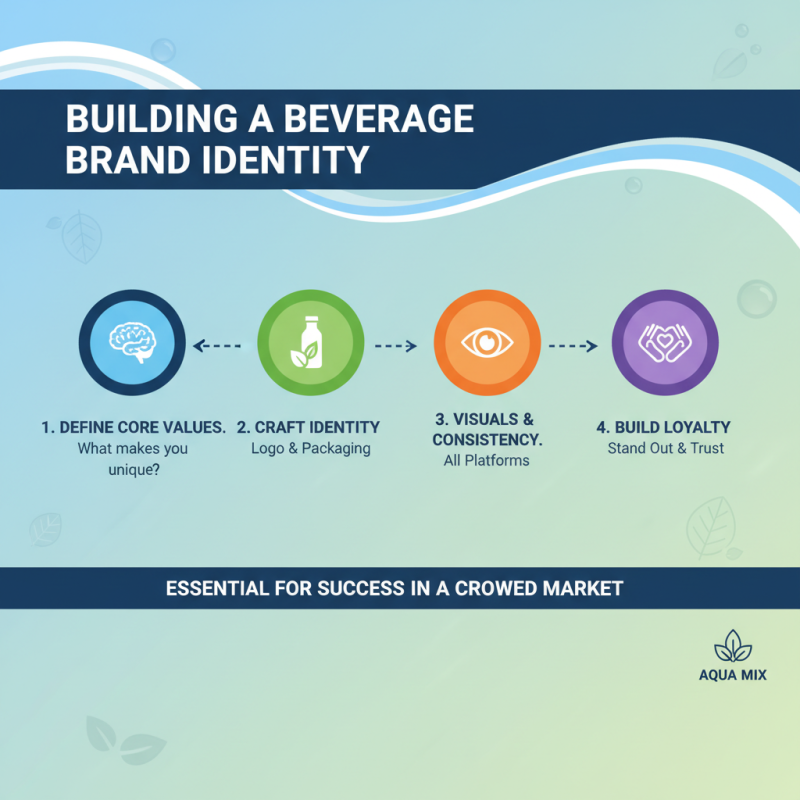
Creating a strong brand identity is essential for any beverage manufacturing business. Start by defining your brand’s core values and differentiating factors. What makes your beverages unique? Once you understand your brand’s identity, design a memorable logo and packaging that resonate with your target audience. Utilize eye-catching visuals and consistent branding across all platforms to create a cohesive experience for customers. This recognition will help you stand out in a crowded market, fostering loyalty and trust.
In addition to branding, effective marketing strategies play a crucial role in reaching customers. Social media platforms are invaluable for connecting with potential consumers, allowing you to showcase your products and engage with your audience. Develop a content marketing strategy that includes informative posts about your beverages, recipe ideas, and behind-the-scenes insights into your manufacturing process. Collaborating with influencers or local businesses can also extend your reach. Lastly, consider hosting tastings or attending local fairs to provide hands-on experience with your products, encouraging customers to make a purchase and advocate for your brand.