Sustainable Sushi Packaging Tips for Eco Friendly Sourcing?
In an era where environmental awareness is paramount, Sustainable Sushi Packaging has emerged as a key focus for many sushi restaurants and manufacturers. With the increasing demand for eco-friendly practices, sushi businesses must rethink their packaging choices. Sustainable Sushi Packaging not only aids in reducing waste but also enhances the brand's image among environmentally conscious consumers.
Restaurants can adopt various materials, like biodegradable wrappers or compostable containers. These options serve a dual purpose: protecting the sushi while being kind to our planet. However, the challenge lies in sourcing these materials consistently and affordably. Many businesses struggle with the transition, facing higher costs or limited availability. This calls for innovative solutions and collaborations within the industry to promote sustainability.
Moreover, it's essential to balance aesthetics and functionality. Beautiful packaging can enhance the customer experience, but it should not come at a greater environmental cost. Reflecting on this, we can acknowledge that while Sustainable Sushi Packaging is a step in the right direction, achieving true sustainability requires ongoing commitment and creativity from all stakeholders involved.
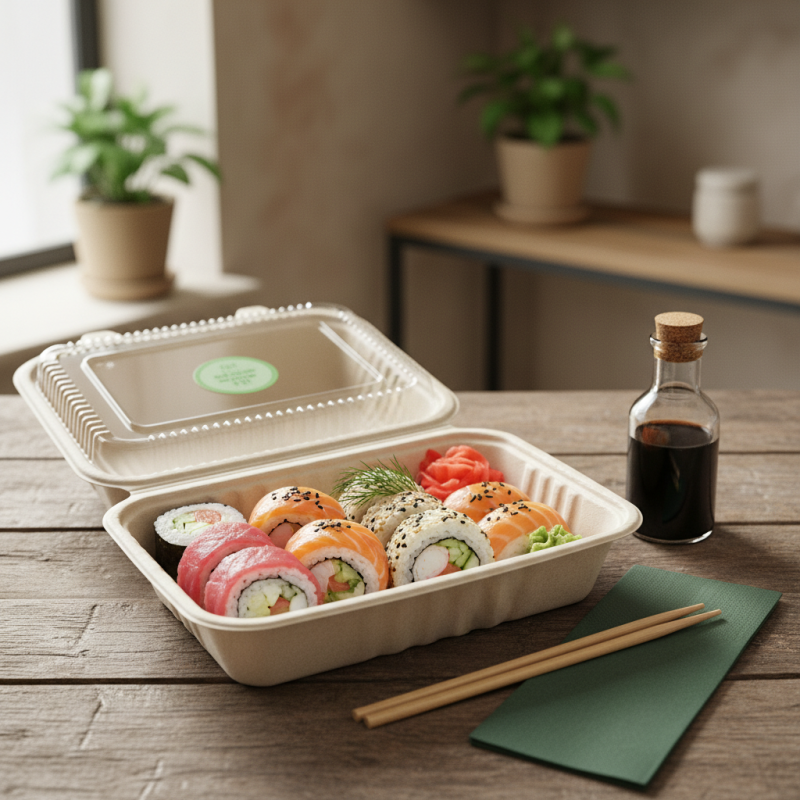
Understanding the Importance of Sustainable Sushi Packaging
Sustainable sushi packaging plays a crucial role in promoting eco-friendly practices. With the growing demand for sushi globally, the environmental impact of packaging cannot be ignored. Single-use plastics, commonly used in seafood packaging, contribute significantly to ocean pollution. Therefore, adopting sustainable alternatives is vital.
When selecting sushi packaging, opt for materials like compostable containers and recycled paper. These options reduce plastic waste and demonstrate a commitment to sustainability. Additionally, sourcing fresh ingredients locally can minimize the carbon footprint associated with transportation. This practice not only supports local economies but also ensures
fresher sushi for consumers.
However, making sustainable choices can present challenges. Innovative alternatives may be more expensive, impacting small businesses. It's essential to strike a balance between sustainability and cost-effectiveness. Consumers must also demand change; focusing on brands that prioritize eco-friendly practices helps drive industry-wide shifts. By being mindful of packaging, we contribute to a healthier planet.
Eco-Friendly Materials for Sushi Packaging: A Comprehensive Guide
Choosing the right materials for sushi packaging is crucial for sustainability. Many businesses overlook the impact of their choices on the environment. The sushi industry generates significant waste, with plastic being a major concern. A report from the Ocean Conservancy states that marine debris, particularly plastic, affects over 800 species globally.
Biodegradable and compostable materials offer a viable solution. Options like bamboo, recycled paper, and plant-based plastics can replace traditional plastic packaging. Research from the Food Packaging Forum indicates that using biodegradable materials can reduce carbon footprints by up to 50%. However, these materials sometimes lack durability, which can lead to products that don’t protect the sushi effectively.
Awareness of sourcing practices is also essential. Suppliers should practice transparency regarding their materials. While eco-friendly options are growing, not all claims are reliable. The World Wildlife Fund emphasizes the need for certifications to ensure sustainability. As the industry evolves, striking the right balance between eco-friendliness and functionality remains a challenge. Engaging consumers in these choices can drive demand for better practices while reducing waste.
Best Practices for Sourcing Sustainable Sushi Ingredients
Choosing sustainable sushi ingredients is essential for eco-friendly practices. Focus on sourcing seafood that is certified by credible organizations. Look for options labeled with sustainability certifications. These labels can guide you toward fish that are fished responsibly. Local sourcing can also reduce carbon footprints. Buy from local fishermen who use sustainable methods.
Consider plant-based alternatives. Seaweed is a fantastic option for adding umami. It can be sourced sustainably, supporting marine ecosystems. Incorporating seasonal vegetables helps minimize the environmental impact. Aim for organic produce to avoid chemical inputs. Regularly evaluate your suppliers to ensure they uphold sustainable practices.
Transparency is crucial in your sourcing decisions. Engage with suppliers about their sustainability efforts. Not all fish and seafood provide equal environmental benefits. Educate yourself about overfishing issues. Reflect on the broader impact of your choices on oceans and communities. Small changes can lead to meaningful differences in sustainability.
Sustainable Sushi Packaging Tips for Eco Friendly Sourcing
| Ingredient Type | Sourcing Method | Environmental Impact | Packaging Type |
| Wild Caught Fish | Certified Sustainable Fisheries | Low impact on ocean ecosystems | Biodegradable paper wrap |
| Organic Rice | Local Organic Farms | Supports local agriculture, reduces carbon footprint | Recyclable cardboard box |
| Vegetables (e.g., Avocado, Cucumber) | Seasonal Local Produce | Minimal transportation emissions | Compostable vegetable-based containers |
| Seaweed | Sustainably Harvested from Local Waters | Regenerative resource for marine ecosystems | Reusable silicone wrap |
| Plant-based Proteins (e.g., Tofu) | Organic Tofu Producers | Lower greenhouse gas emissions | Eco-friendly glass containers |
Innovative Designs for Reducing Packaging Waste in Sushi
The sushi industry faces increasing scrutiny over its environmental impact. Traditional packaging often contributes to substantial waste. A 2019 report found that over 40% of food packaging ends up in landfills. This has prompted sushi producers to innovate their packaging designs.
One solution involves using biodegradable materials. These alternatives can break down in under a year, reducing long-term waste. For instance, packaging made from plant fibers or seaweed offers durability while being eco-friendly. Many consumers support brands that prioritize sustainable packaging. The demand for such products has risen by 30% in the last few years, indicating a shift in consumer behavior.
Additionally, incorporating reusable packaging can further minimize waste. Some companies explore options like returnable containers. However, challenges remain. Implementing a return system requires consumer buy-in, which can be difficult. It's crucial for businesses to balance functionality with environmental responsibility. As the sushi sector evolves, the journey toward sustainability continues.
Consumer Preferences and the Future of Sustainable Sushi Packaging
Consumer preferences are evolving rapidly, especially regarding sustainability. According to a recent survey by Mintel, over 40% of consumers prefer brands that prioritize eco-friendly packaging. This trend is particularly significant in the sushi market, where traditional packaging methods often rely on plastic. The urgency for change is clear. Shifting to sustainable materials can enhance brand loyalty among environmentally-conscious consumers.
Further insights from a 2022 Nielsen report indicate that 66% of global respondents are willing to pay more for sustainable packaging. This presents an opportunity for sushi restaurants and suppliers to rethink their packaging strategies. Innovative options like biodegradable sushi wraps and reusable containers are gaining traction. While these alternatives may have a higher upfront cost, they can reduce waste significantly and create a positive brand image.
Challenges remain, though. Many businesses are unsure about sourcing sustainable materials. There’s a risk of greenwashing if claims are not backed by credible certifications. Transparency in sourcing is key to building trust. Companies need to communicate their efforts effectively to consumers. Addressing these concerns can position sushi businesses as leaders in sustainability, fulfilling the demand for eco-friendly practices while navigating the complexities of consumer expectations.