Top 5 Beverage Contract Manufacturing Solutions for Global Buyers?
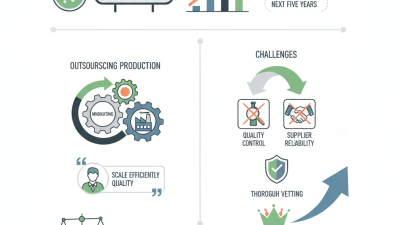
The global beverage market is evolving. In 2023, the beverage contract manufacturing sector is valued at over $60 billion. This growth is fueled by rising consumer demand for diverse and innovative beverage options. Companies now prefer outsourcing production. This strategy allows them to focus on their core competencies.
Beverage contract manufacturing offers flexibility and expertise. Manufacturers are equipped with the latest technology and industry knowledge. They can quickly adapt to market trends. According to industry reports, around 70% of beverage companies rely on contract manufacturers to reduce costs and improve efficiency. However, not all partnerships yield success. Companies often struggle to find reliable partners that align with their brand values.
Selecting the right beverage contract manufacturing solution is critical. Buyers need to consider quality, compliance, and scalability. The wrong choice can lead to product inconsistencies and reputational damage. It’s vital to conduct thorough research. This article explores the top five beverage contract manufacturing solutions that cater to the unique needs of global buyers.
Understanding Beverage Contract Manufacturing: An Overview
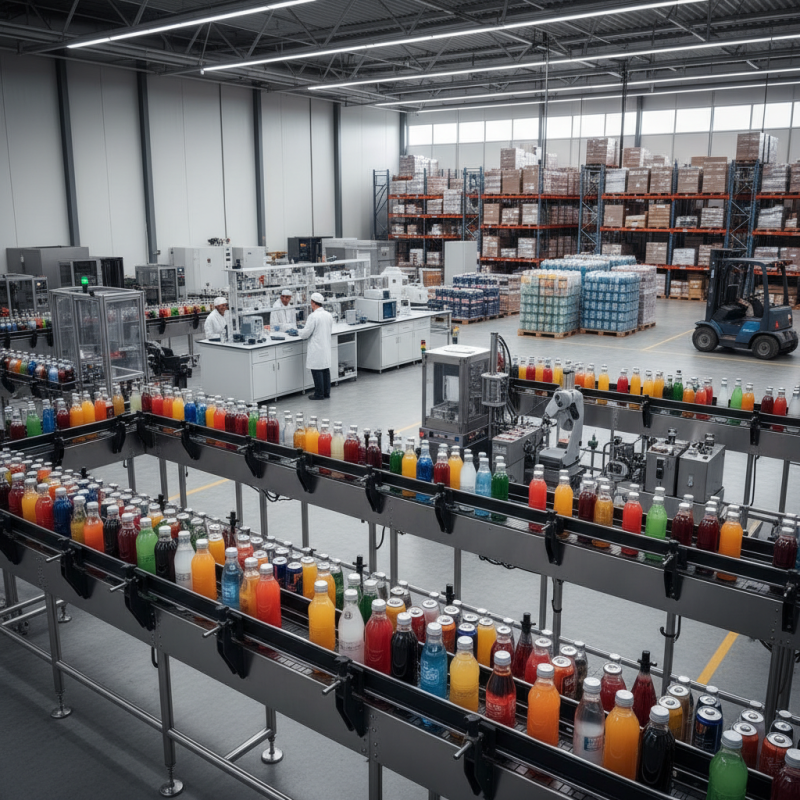
Beverage contract manufacturing is a complex and evolving industry. It involves producing products for brands without them needing factories. Understanding this process is vital for global buyers. These buyers aim to meet growing consumer demands and create unique beverages.
Choosing the right manufacturing partner can seem daunting. Consider their experience in your specific beverage type. Look for quality certifications and a proven track record. This reflects their expertise. A transparent communication channel is essential. You want a partner who listens to your ideas and needs.
**Tips:** Always ask for product samples. This helps evaluate quality before committing. Research the partner’s background thoroughly. Understanding their capabilities is crucial. Trust is built on reliability, so check reviews and testimonials. Look for flexibility in production volumes to suit your business needs.
Top 5 Beverage Contract Manufacturing Solutions
Criteria for Selecting a Beverage Contract Manufacturer
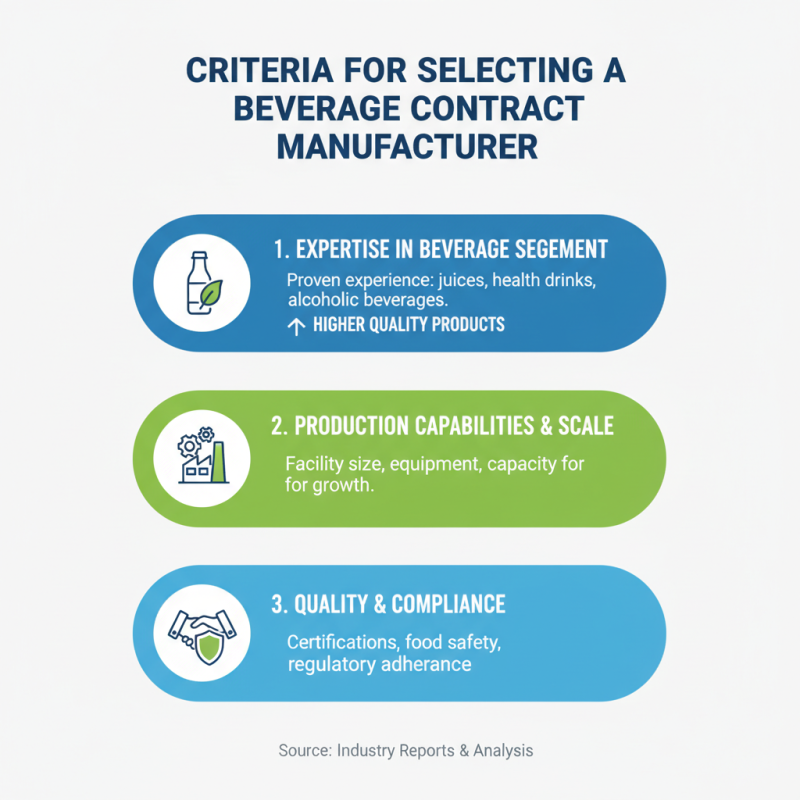
When selecting a beverage contract manufacturer, several critical criteria come into play. The first is expertise in the specific beverage segment. A manufacturer should demonstrate substantial experience in producing diverse beverages like juices, health drinks, or alcoholic options. Reports show that companies with niche expertise often yield higher quality products.
Secondly, certifications matter. A manufacturer’s adherence to industry standards, such as ISO or GMP, instills confidence. Compliance with these guidelines indicates that the facility maintains high hygiene and quality practices. A 2022 survey indicated that 75% of buyers prioritize certifications when choosing a partner.
Flexibility in production capacity is another essential factor. The ability to scale production up or down can determine the success of a product launch. Not all manufacturers can accommodate fluctuating demand. In fact, many clients faced challenges due to rigid contracts that couldn’t adapt to market changes. Consequently, it’s vital to assess the terms of engagement closely before committing.
Top 5 Beverage Contract Manufacturers for Global Buyers
In the beverage industry, contract manufacturing has become essential for brands aiming to scale quickly. For global buyers, understanding top beverage contract manufacturers is crucial. Reports indicate that the global beverage contract manufacturing market is expected to reach around $200 billion by 2026, reflecting robust growth. High demand for customized and innovative products drives this trend.
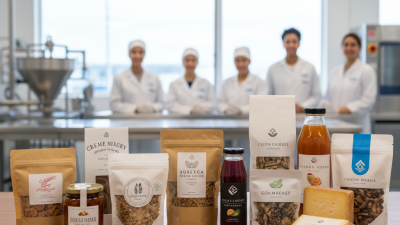
Several leading manufacturers offer diverse services, including product development, formulation, and packaging. Their expertise allows them to cater to various beverage types, such as functional drinks, juices, and ready-to-drink teas. However, finding the right manufacturer is no small task. It requires thorough research and consideration of production capabilities, certifications, and industry compliance standards.
Tips: When choosing a manufacturer, assess their previous projects. Communication is vital. Ensure their team aligns with your goals. Don’t overlook the importance of quality control processes. A reliable manufacturer should offer transparency and consistent testing. Evaluate their customer service to gauge future collaboration.
Remember, one manufacturer might excel in fruit beverages but struggle with supplements. Understand the strengths and weaknesses of each option. Pay attention to market reports and customer reviews. They provide insights into performance and reliability. Knowledge is essential in making an informed decision that supports your business ambitions.
Evaluating Quality and Compliance in Beverage Manufacturing
Ensuring quality and compliance in beverage manufacturing is crucial for global buyers. It starts with choosing the right contract manufacturer. These manufacturers should adhere to strict standards set by regulatory bodies. Compliance with health and safety regulations must be guaranteed. Buyers need to request documentation verifying adherence to these regulations.
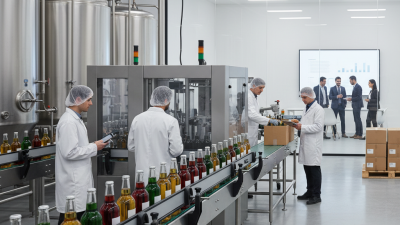
Next, a focus on quality control processes is essential. Regular audits and inspections should be a norm. Quality testing can include checking ingredients, testing for contaminants, and evaluating the bottling process. A well-documented quality management system can provide transparency. However, not all manufacturers maintain consistent standards. This inconsistency can lead to challenges, affecting brand reputation and consumer safety.
Buyers must remain vigilant. Seeking certifications and external audits helps ensure reliability. Engaging in discussions about manufacturing practices is important. Ask for case studies or references from other clients. Understanding the nuances of the production process can reveal potential shortcomings. This proactive approach helps identify risks before they escalate, laying the groundwork for a successful partnership.
Top 5 Beverage Contract Manufacturing Solutions for Global Buyers
| Manufacturer Type |
Location |
Certifications |
Production Capacity (liters/year) |
Minimum Order Quantity (liters) |
Lead Time (weeks) |
| Ready-to-Drink Beverages |
USA |
ISO 9001, FDA Registered |
5,000,000 |
10,000 |
8 |
| Juice & Smoothies |
Europe |
HACCP, Organic Certified |
3,000,000 |
5,000 |
6 |
| Functional Beverages |
Asia |
GMP, Non-GMO |
4,500,000 |
15,000 |
10 |
| Carbonated Drinks |
North America |
ISO 22000, Kosher |
6,000,000 |
8,000 |
12 |
| Tea & Coffee |
South America |
Fair Trade, Rainforest Alliance |
2,000,000 |
3,000 |
4 |