Top 10 Beverage Manufacturing Companies in China for Global Buyers?
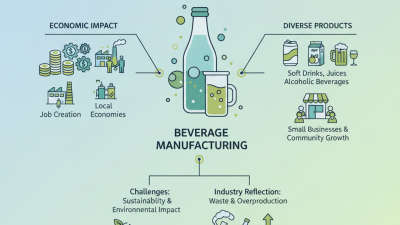
The beverage manufacturing industry in China has been experiencing remarkable growth. According to recent market reports, the country's beverage sector reached a value of over $200 billion in 2022, with projections indicating continuous expansion. This growth is fueled by evolving consumer preferences and the increasing demand for diverse beverage options, including health-focused drinks and innovative flavors.
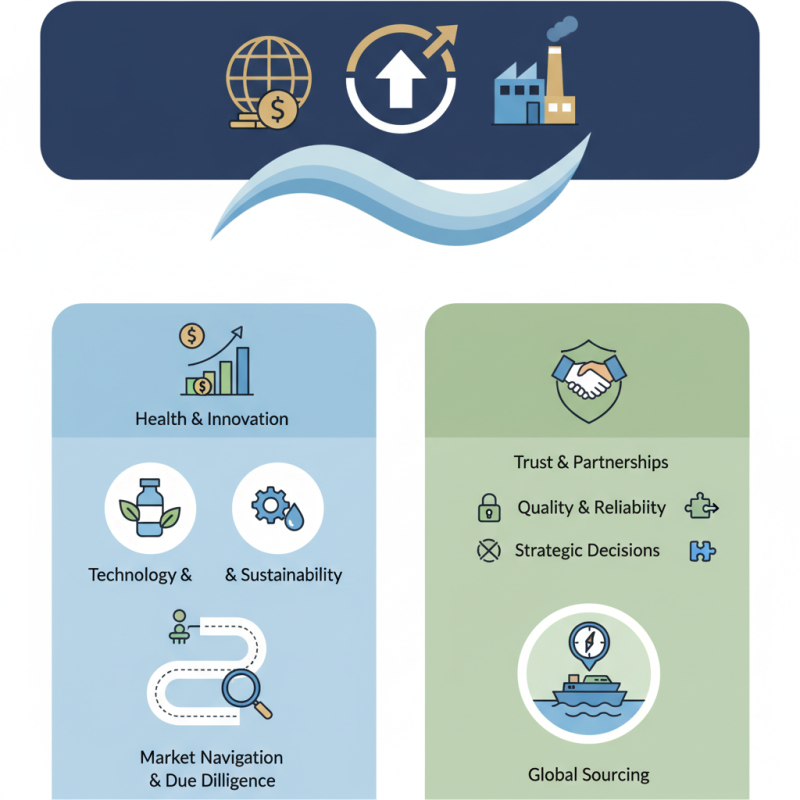
China's beverage manufacturing landscape is competitive, featuring numerous established companies. However, global buyers must navigate this complexity. Understanding the key players in China can enhance collaboration opportunities and ensure successful partnerships in this thriving market. Many top companies are investing heavily in sustainability and technology, reflecting a commitment to meet international standards.
Yet, challenges persist. Counterfeit products and inconsistent quality can hinder trust. Thus, due diligence is essential when engaging with suppliers. Building reliable relationships is vital for navigating the ever-evolving beverage manufacturing sector. By identifying prominent companies, global buyers can make informed, strategic decisions in sourcing beverages from China.
Overview of Beverage Manufacturing Industry in China
The beverage manufacturing industry in China has experienced rapid growth in recent years. This sector is now pivotal for global buyers seeking to source high-quality products. China's diverse beverage range includes tea, soft drinks, and alcoholic beverages. The country is known for its innovation, blending traditional flavors with modern techniques.
Many local manufacturers focus on sustainable practices. Eco-friendly packaging and organic ingredients have become significant trends. However, some challenges remain. The market can be inconsistent, with varying quality among manufacturers. Buyers must conduct thorough evaluations to ensure reliability and compliance with standards. Understanding regional preferences and consumer behaviors is vital.
Amid this dynamic environment, businesses need to stay updated. Constant changes in regulations and market demands can affect production. Engaging with industry experts can help navigate these complexities. There is potential for growth, yet caution is essential when entering the Chinese beverage market.
Criteria for Selecting Top Beverage Manufacturing Companies
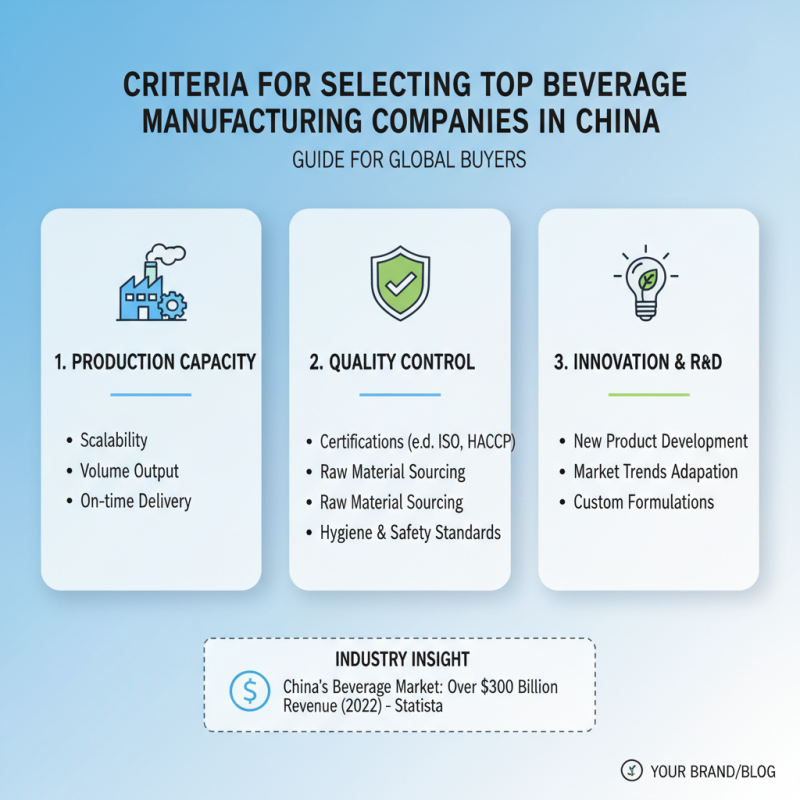
Selecting the right beverage manufacturing company in China is crucial for global buyers. Key criteria include production capacity, quality control, and innovation in product development. According to industry reports from Statista, China’s beverage market generated over $300 billion in revenue in 2022. This massive market provides numerous options, yet it can be challenging to find reliable partners.
Buyers should evaluate a company’s certifications and compliance with international standards. ISO certifications, HACCP, and FSSC 22000 are essential indicators of reliability. Additionally, analyzing customer reviews and feedback can unveil insights into production quality. A recent survey revealed that 70% of consumers prioritize brands that ensure transparency in their manufacturing processes.
Tips: When assessing factories, consider taking a factory tour. Observing operations firsthand provides clarity. Communication is key; ensure there are no language barriers that could lead to misunderstandings. Conducting thorough research saves time and resources, helping to avoid potential pitfalls. The right partner can enhance your product offerings and pave the way for success in the competitive beverage landscape.
List of Top 10 Beverage Manufacturing Companies in China
China has emerged as a global hub for beverage manufacturing, offering an extensive range of products. Many companies excel in producing soft drinks, bottled water, and alcoholic beverages. Their commitment to quality and innovation makes them attractive to international buyers.
One of the notable aspects is the diversity in flavors. Many manufacturers incorporate local ingredients into their products. This can sometimes lead to unique taste combinations that may not appeal universally. Quality control is crucial, yet some companies occasionally face challenges in maintaining consistent standards.
It's essential for global buyers to conduct thorough research when selecting partners. Understanding regional differences in production practices can help avoid potential pitfalls. Seeking industry recommendations can provide valuable insights into a company's reliability and expertise. Building relationships based on trust and communication is key in this competitive field.
Top 10 Beverage Manufacturing Companies in China
Analysis of Market Trends and Opportunities for Global Buyers
The beverage market in China is rapidly evolving. Global buyers should pay attention to emerging trends. Health-conscious consumers drive demand for beverages with natural ingredients. This shift has opened doors for innovative products. Companies that prioritize quality and sustainability are gaining a competitive edge.
Technological advancements are transforming production processes. Automation and data analytics enhance efficiency and quality control. However, not all manufacturers adapt quickly. Some struggle to integrate new technologies. Those that do reap significant benefits. They meet growing consumer expectations and reduce operational costs.
Market opportunities abound for global buyers. Collaborating with local manufacturers fosters mutual growth. Understanding regional preferences is crucial. Challenges exist. Global buyers must navigate complex regulations and cultural nuances. Building strong relationships in China’s beverage sector requires effort. However, the potential rewards can be substantial.
Top 10 Beverage Manufacturing Companies in China for Global Buyers
| Rank |
Revenue (in USD Billions) |
Market Share (%) |
Number of Employees |
International Presence (%) |
Innovation Score (1-10) |
| 1 |
45.2 |
25.6 |
20,000 |
30 |
9 |
| 2 |
38.7 |
20.1 |
15,500 |
25 |
8 |
| 3 |
32.6 |
17.3 |
10,000 |
15 |
7 |
| 4 |
28.4 |
14.2 |
8,500 |
18 |
6 |
| 5 |
26.2 |
12.8 |
7,200 |
10 |
5 |
| 6 |
24.1 |
11.0 |
6,800 |
7 |
4 |
| 7 |
21.7 |
9.5 |
5,400 |
5 |
3 |
| 8 |
19.3 |
8.0 |
4,600 |
3 |
2 |
| 9 |
16.8 |
7.2 |
3,700 |
2 |
2 |
| 10 |
14.9 |
6.0 |
2,900 |
1 |
1 |
Impact of Globalization on China's Beverage Export Sector
Globalization has greatly influenced China's beverage export sector. The value of beverage exports reached
$48 billion in 2022, illustrating significant growth. This success is due in part to the
increasing demand for diverse beverage options worldwide. Analysts note that Chinese brands have
capitalized on international trends, adapting products to meet global tastes.
Additionally, competition in the global market has intensified. While some companies benefit, others struggle to
maintain their foothold. For example, the introduction of unique flavors and healthier alternatives has become
essential. Companies are exploring organic ingredients and functional beverages to appeal to health-conscious consumers.
However, not all attempts yield success. Many companies find it challenging to balance traditional flavors with
innovative offerings.
The road ahead for China's beverage export sector may present obstacles. Trade policies and tariffs can create uncertainty.
Furthermore, rising costs for raw materials pose a significant threat. To thrive, companies must embrace agility.
Insights from industry reports indicate a need for continuous market research and adaptation. The
importance of understanding consumer preferences is crucial in this ever-evolving landscape.