Top Trends for Private Label Sparkling Water in 2025
In recent years, the beverage industry has witnessed a significant shift in consumer preferences, with private label sparkling water emerging as a formidable segment within this transformation. As health-conscious consumers increasingly seek alternatives to sugary sodas, private label sparkling water offers a refreshing and flavorful choice that caters to this demand. The trend reflects not only an evolution in taste but also an emphasis on quality and affordability, making these products attractive options for a diverse range of shoppers.
Looking ahead to 2025, several key trends are expected to shape the market for private label sparkling water. Innovations in flavors, sustainability in packaging, and the rising influence of health and wellness trends will drive this category's growth. Consumers are becoming more discerning about ingredient transparency and environmental impacts, further fueling the expansion of private label offerings. As retailers adapt to these changing dynamics, the landscape for private label sparkling water will continue to evolve, presenting unique opportunities for growth and differentiation in a competitive market.
Emerging Flavor Profiles in Private Label Sparkling Water for 2025
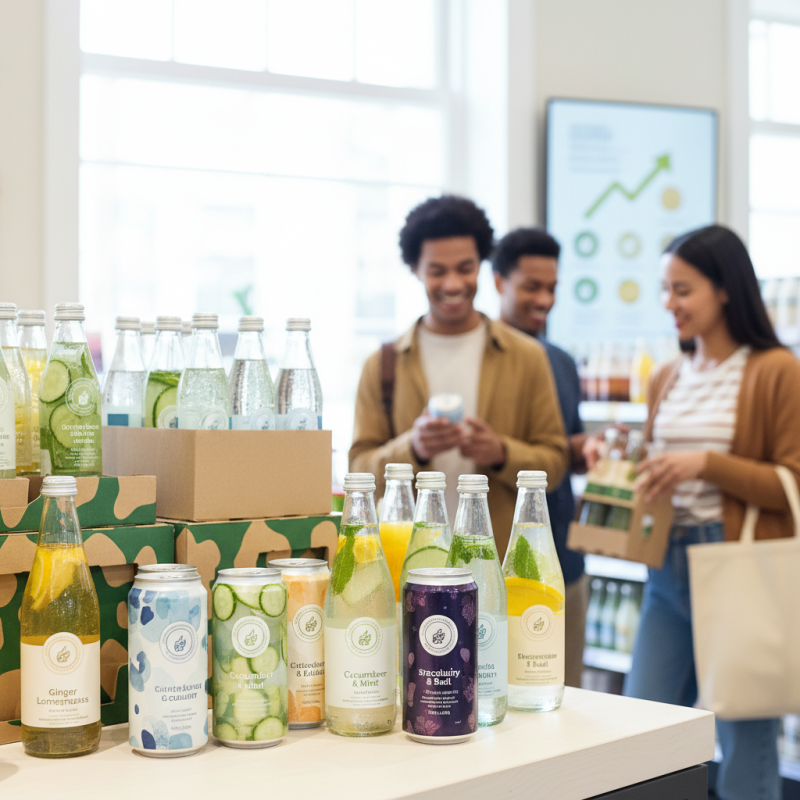
In 2025, the private label sparkling water market is set to witness an exciting evolution in flavor profiles, catering to the increasingly sophisticated palettes of consumers. One of the prominent trends is the rise of exotic fruit flavors that go beyond the traditional citrus and berry offerings. Infusions of tropical fruits such as dragon fruit, lychee, and passion fruit are expected to gain traction, enticing consumers with their unique and refreshing taste experiences.
Additionally, herbal and botanical infusions, featuring ingredients like rosemary, basil, and lavender, are also becoming sought after as they add an aromatic depth that enhances the drinking experience.
Sustainability and health consciousness will further influence flavor trends in private label sparkling water. Flavors derived from superfoods, such as acai, spirulina, or matcha, will appeal to health-minded consumers looking for both taste and added benefits. Furthermore, reduced sugar and plant-based flavorings are likely to dominate, promoting a message of wellness and mindfulness.
As consumers increasingly seek beverages that align with their lifestyle choices, brands that harness these emerging flavor profiles will likely stand out in the competitive landscape of sparkling water. This focus on innovative and health-oriented flavors will shape consumer preferences and drive the private label sparkling water sector toward new heights in 2025.
Sustainability Trends Shaping Private Label Sparkling Water Production
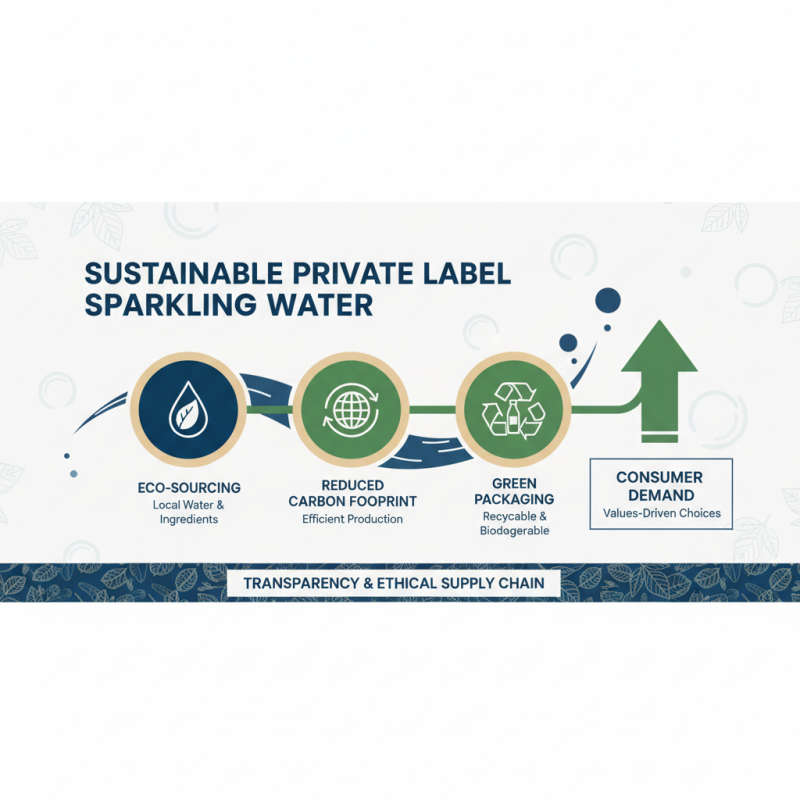
As the demand for private label sparkling water continues to rise, sustainability has taken center stage in its production. Consumers are increasingly looking for beverages that align with their values, particularly regarding environmental responsibility. This trend is driving producers to adopt eco-friendly practices throughout the supply chain, from sourcing ingredients to packaging. Brands are exploring partnerships with local water sources and focusing on minimizing their carbon footprint, thereby ensuring transparency and ethical sourcing.
Moreover, innovative packaging solutions are becoming essential in the sustainability narrative. Companies are exploring the use of recyclable and biodegradable materials to reduce plastic waste. Some are even turning to refillable systems or concentrates that lessen the need for extensive packaging. Additionally, the implementation of efficient production processes that conserve water and energy is becoming a priority. As private label sparkling water producers continue to embrace these sustainable practices, they not only enhance their product appeal but also contribute positively to the environment, meeting the growing expectations of conscious consumers.
The Role of Health and Wellness in Sparkling Water Consumer Choices
As consumer preferences evolve, the spotlight on health and wellness continues to shape the sparkling water industry. A recent report from Grand View Research forecasts that the global sparkling water market will reach $65 billion by 2025, indicating a significant shift towards healthier beverage options. This trend is largely driven by a growing awareness of the negative health impacts associated with sugary soft drinks, as well as a rising inclination toward hydration and wellness-focused lifestyles. In fact, a survey conducted by the Beverage Marketing Corporation revealed that 55% of consumers now prefer drinks with functional health benefits, underscoring the importance of wellness in their purchasing decisions.
Moreover, consumers are increasingly seeking products that align with their health goals, leading to a surge in demand for private label sparkling waters that emphasize natural ingredients and minimal processing. The International Bottled Water Association reported that 30% of buyers are willing to pay a premium for sparkling water that emphasizes clean labels and organic components. This trend highlights the critical role that transparency and health-conscious branding play in attracting wellness-oriented consumers. As the market progresses toward 2025, brands that prioritize health and wellness in their sparkling water offerings are likely to resonate more deeply with consumers, fostering not only customer loyalty but also driving sustained growth in this burgeoning category.
Top Trends for Private Label Sparkling Water in 2025 - The Role of Health and Wellness in Sparkling Water Consumer Choices
| Trend |
Description |
Percentage of Consumers Influenced |
Projected Growth Rate |
| Health Benefits |
Consumers are increasingly looking for sparkling waters with added vitamins and minerals. |
70% |
15% |
| Sustainability |
Focus on eco-friendly packaging and sourcing from sustainable sources. |
65% |
20% |
| Flavor Innovation |
Unique and exotic flavors are driving consumer interest in sparkling water. |
60% |
18% |
| Low Sugar Options |
Demand for sparkling water with reduced or no sugar content is on the rise. |
75% |
17% |
| Functional Beverages |
Consumers are gravitating towards beverages that offer health benefits such as enhancing digestion or hydration. |
68% |
19% |
Growth of Private Label Brands in the Sparkling Water Market by 2025
The private label sparkling water market is poised for significant growth by 2025, with consumers increasingly gravitating towards these brands for their quality and affordability. According to recent industry reports, private label brands are expected to capture nearly 30% of the sparkling water market share in the coming years. This shift is largely driven by evolving consumer preferences favoring healthier and more sustainable beverage options, as well as the ongoing trend of premiumization within the segment.
As retail chains expand their private label offerings, the competition is set to intensify. Many shoppers are now willing to trust store brands that deliver on taste, packaging, and nutritional profiles. A survey indicated that over 65% of consumers consider private label sparkling waters as comparable, if not superior, to national brands. This growing confidence presents an opportunity for retailers to innovate and diversify their product lines, incorporating unique flavors and health-forward ingredients.
Tip: For retailers looking to enhance their private label sparkling water products, focusing on flavor innovation and environmentally-friendly packaging can attract eco-conscious consumers. Additionally, keeping up with health trends—such as adding vitamins and low-calorie formulations—can also capture a broader market. As the private label sector continues to grow, aligning product offerings with consumer expectations will be key to maintaining market relevance and profitability.
Market Share Projections for Private Label vs. National Brands in Sparkling Water
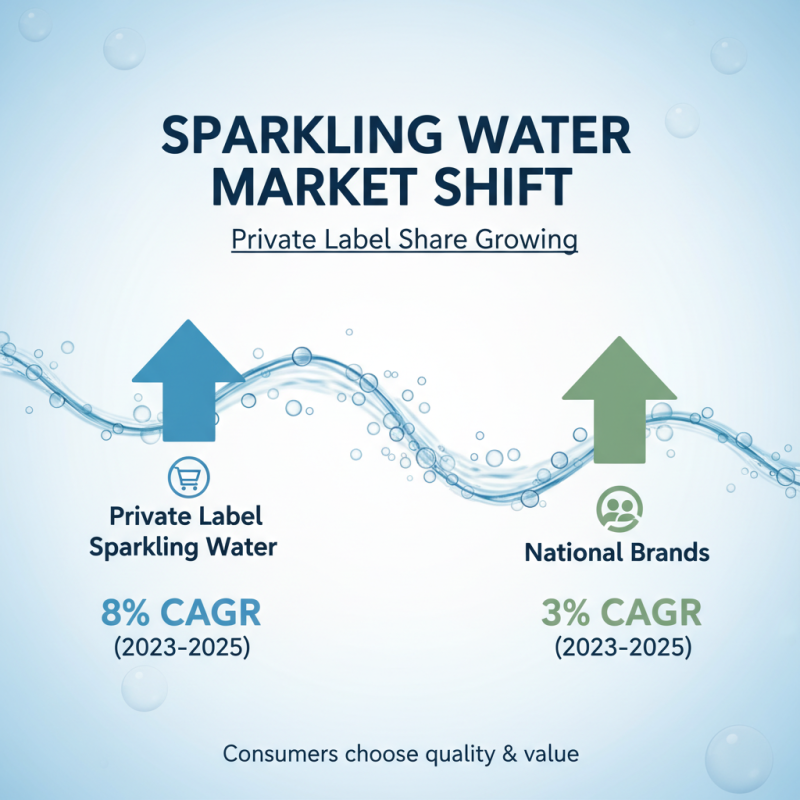
The landscape of the sparkling water market is shifting, particularly within the realm of private label brands. As consumers increasingly seek healthier beverage options, private label sparkling water is projected to capture a significant share of the market. According to a recent industry report, the private label sector is expected to grow at a compound annual growth rate (CAGR) of around 8% from 2023 to 2025, while national brands are poised for a more modest growth rate of 3%. This shift indicates a growing consumer preference for cost-effective options that do not compromise on quality.
Market analysts predict that private label brands will comprise nearly 35% of the total sparkling water market by 2025, reflecting a surge in consumer loyalty and brand perception. As retailers hone their offerings, they are focusing on enhancing the quality and variety of flavors in their private label lines. Reports indicate that consumers are gravitating towards unique flavor experiences and sustainable packaging, further driving the popularity of private label products.
Tips: When exploring private label sparkling water options, consider looking for brands that emphasize transparency in sourcing and production practices. Additionally, don't hesitate to try variety packs that offer a range of flavors, allowing you to find your favorite without committing to a larger quantity. Lastly, take advantage of promotions and loyalty programs, which can provide significant savings while supporting your preference for private label products.