2026 Top Types of All Energy Drinks for Global Buyers?

In 2026, global buyers will face a wider and more confusing energy drink market. All energy drinks are not designed for the same consumer, occasion, or regulatory environment. Traditional caffeinated drinks remain popular, while zero-sugar, low-calorie, electrolyte, natural-ingredient, and plant-based formulas continue gaining attention. Some products target long workdays. Others suit travel, sports, gaming, or outdoor activities.

A reliable comparison should examine caffeine levels, serving size, sugar content, sweeteners, ingredient transparency, packaging, shelf life, and documented quality controls. Buyers should check certificates, laboratory testing, supplier history, and country-specific labeling requirements before placing an order. A bright can does not prove a better formula. Nor does a “natural” claim automatically mean safer or more effective. Evidence matters.

Market experience also shows several practical problems. Flavor preferences change sharply between regions. A formula accepted in one country may need different labeling elsewhere. Shipping heat can affect taste, carbonation, and packaging performance. Minimum order quantities may also reduce flexibility for smaller importers. These details are easy to overlook.

No category is perfect.

This guide introduces the main types of all energy drinks for global buyers. It compares their typical ingredients, commercial uses, strengths, limitations, and purchasing considerations. The discussion avoids exaggerated performance claims and focuses on responsible sourcing. Some classifications overlap, and that is worth acknowledging. Real products often combine several formats, making careful evaluation more useful than simple rankings.
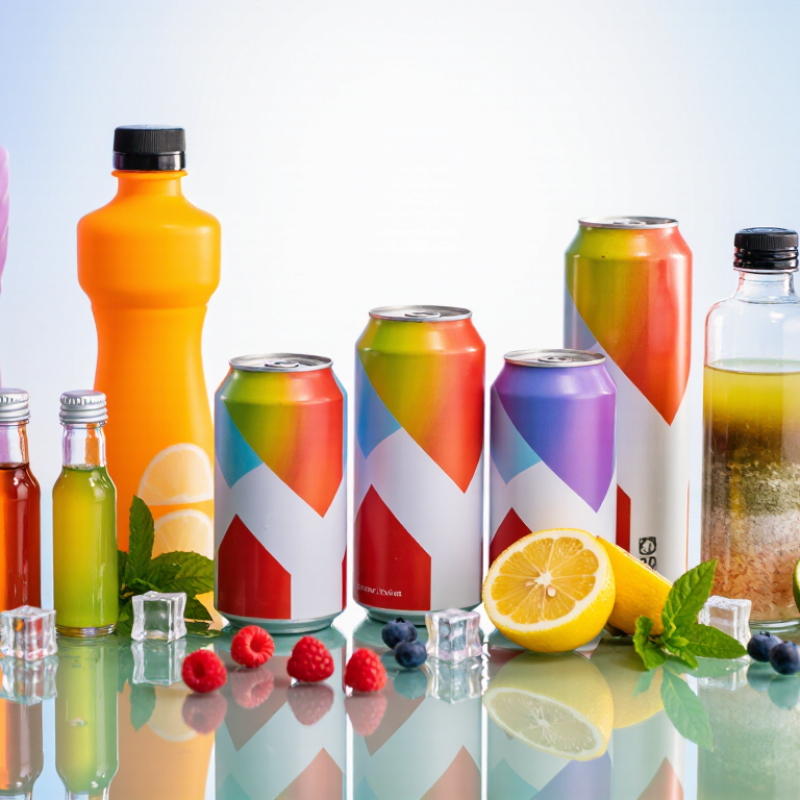
2026 Top Types of All Energy Drinks for Global Buyers?

Energy Drink Basics and Global Market Classification

2026 Top Types of All Energy Drinks for Global Buyers?

Energy drinks are beverages designed to support alertness, stamina, or convenient daily performance. Most contain caffeine, sweeteners, acids, and added flavors. Some also include electrolytes, vitamins, botanical extracts, or amino acids. Their market classification often depends on ingredients, caffeine level, format, and intended use. Common formats include carbonated cans, still drinks, powdered sachets, concentrated shots, and ready-to-mix products. However, categories can overlap. A low-sugar performance drink may also fit the sports nutrition segment.

Global buyers should examine more than flavor and packaging. Product labels need clear ingredient quantities, serving guidance, allergen information, and responsible caffeine communication. Regulations differ across countries, especially for caffeine limits, health claims, warning statements, and permitted ingredients. Import documents, laboratory testing, shelf-life data, and packaging language also affect purchasing decisions. No classification system is perfect. Consumer habits change quickly, and some products resist simple labels. That is why buyers should verify each specification with qualified regulatory and quality professionals.

Tips: Compare caffeine per serving, not only per container. Check sugar content and serving size. Request recent test reports and stability data. Review local labeling rules before shipment. Avoid unsupported performance claims. Small details matter. A practical sample review can reveal texture, sweetness, and packaging weaknesses that a spreadsheet misses.
2026 Top Types of Energy Drinks for Global Buyers

Energy Drink Basics and Global Market Classification

The chart compares major energy-drink archetypes by indicative caffeine concentration, standardized to 100 mL. Conventional products commonly fall near 30–32 mg per 100 mL, while concentrated energy shots are substantially stronger. Actual formulas vary by market, serving size, ingredients, and local regulations.

Major Energy Drink Types by Ingredients and Intended Use

2026 Top Types of All Energy Drinks for Global Buyers

Energy drinks differ by ingredients and intended use, not just flavor or package size. Grand View Research valued the global energy drinks market at about USD 86 billion in 2023. It also projects strong growth through 2030. Caffeinated formulas remain the core category, using caffeine for alertness during commuting, study, or extended shifts. Taurine and B-vitamin formulas target consumers seeking a familiar functional profile. However, ingredient lists deserve closer inspection. More ingredients do not automatically mean better performance.

Exercise-focused drinks usually combine caffeine, electrolytes, and fast-absorbing carbohydrates. They suit training sessions, outdoor work, and long-distance activity. Low-sugar and zero-sugar versions serve buyers limiting calories, although sweetener tolerance varies by market. Botanical formulas may use guarana, green tea, or ginseng extracts. Their caffeine levels can be less obvious on the front label. That detail can create purchasing mistakes.

The European Food Safety Authority considers single caffeine intakes up to 200 milligrams safe for healthy adults, under stated conditions. Its scientific opinion also references 400 milligrams as a daily level for most healthy adults. Buyers should therefore compare serving size, caffeine concentration, and local labeling rules. In warehouses, I would check batch consistency, seal quality, and storage temperature before judging flavor. A cold can may taste excellent. A warm sample can mislead. Classification also remains imperfect, especially when one product claims energy, hydration, and focus together.

Functional, Natural, and Specialized Energy Drink Categories

2026 Top Types of All Energy Drinks for Global Buyers?

Functional, Natural, and Specialized Energy Drink Categories

Global buyers now face a broader energy drink market than simple caffeinated cans. Functional, natural, and specialized categories are shaping product selection in 2026. Each category needs clear ingredient evidence and practical quality checks.

Functional energy drinks

Functional energy drinks may contain caffeine, electrolytes, B vitamins, amino acids, or botanical extracts. Their value depends on dosage, stability, and honest labeling. Buyers should request laboratory reports, allergen information, caffeine verification, and shelf-life data. A bright package cannot replace reliable documentation. Sugar-free versions may suit active consumers, but sweetener balance still affects taste.

Natural energy drinks

Natural energy drinks often use fruit juice, tea extracts, coconut water, or naturally sourced caffeine. However, “natural” has different meanings across markets. It should never be accepted as a complete safety standard. A natural formula can still taste sharp, separate during storage, or require careful regulatory review. Buyers should examine origin records and local labeling rules.

Specialized products

Specialized products target specific preferences. These include low-caffeine drinks, reduced-sugar formulas, organic-positioned options, hydration-focused beverages, and convenient powder formats. Some buyers prefer compact sachets for shipping. Others need ready-to-drink products for retail shelves. The category labels are not always clean. A drink can fit several groups, which complicates comparison. Product testing under heat, transport vibration, and opened-package conditions can reveal weaknesses that a specification sheet misses.

Format, Flavor, Caffeine Level, and Packaging Choices

2026 Top Types of All Energy Drinks for Global Buyers

Format, flavor, caffeine level, and packaging often decide whether an energy drink fits a local market. Cans remain practical for convenience stores, gyms, and vending machines. Slim cans support controlled portions and premium shelf presentation. Larger cans may attract value-focused buyers, but they can increase shipping weight. Powder sachets offer easier transport and preparation, although they require clear mixing instructions.

Flavor selection needs local testing. Citrus, berry, tropical fruit, and tea-inspired profiles remain flexible starting points. Sweetness should match regional preferences, not factory habits. A bright flavor may gain attention, but excessive sweetness can reduce repeat purchases. Small pilot orders can reveal these differences before a large commitment. Flavor stability should also be checked after heat exposure and extended storage.

Caffeine requires careful comparison. Buyers should review milligrams per serving, serving size, and recommended use statements. “High energy” wording can confuse customers if the caffeine amount is unclear. Lower-caffeine options may suit daytime use, while stronger formulas require stricter label review. Regulations differ across countries, so technical documents and local compliance checks are essential. Packaging also matters: recyclable aluminum, secure closures, readable labels, and strong carton protection reduce practical problems. One assumption deserves questioning. Attractive packaging cannot repair weak flavor, unclear information, or damaged cans after transport.

2026 Top Types of All Energy Drinks for Global Buyers? - Format, Flavor, Caffeine Level, and Packaging Choices

Energy Drink Type Common Format Typical Flavor Profiles Typical Caffeine Level Sugar and Sweetener Profile Common Packaging Choices Global Buyer Considerations
Carbonated Ready-to-Drink Carbonated liquid beverage, ready to consume Citrus, berry, tropical fruit, cola, and mixed fruit Approximately 80–200 mg per 250–500 ml serving Regular versions may contain approximately 20–55 g sugar per serving; zero-sugar versions use non-nutritive sweeteners Aluminum cans, slim cans, standard cans, and PET bottles Broadest retail compatibility; carbonation, shelf stability, language labeling, and deposit requirements should be checked
Sugar-Free and Low-Calorie Carbonated or lightly sparkling ready-to-drink beverage Lemon-lime, raspberry, watermelon, peach, and tropical citrus Approximately 80–200 mg per 250–500 ml serving Usually 0–5 g sugar per serving; commonly sweetened with steviol glycosides, sucralose, acesulfame potassium, or blends Slim aluminum cans, standard aluminum cans, and recyclable PET bottles Suitable for calorie-conscious consumers; sweetness, aftertaste, and permitted sweeteners vary by market
Natural or Plant-Based Energy Drink Still or lightly carbonated liquid with botanical ingredients Green tea, yerba mate, ginger, citrus, berry, and botanical blends Approximately 50–200 mg per serving, depending on botanical extracts and serving size May contain cane sugar, fruit juice, stevia, monk fruit, or other permitted sweeteners Aluminum cans, glass bottles, and PET bottles Ingredient traceability, botanical standardization, organic claims, and local rules for health-related wording are important
Energy Shot Concentrated liquid in a small single-serving format Citrus, berry, tropical fruit, coffee, and medicinal-style flavors Approximately 50–300 mg per 60–120 ml bottle Often low-sugar or sugar-free; may use acids, flavors, and high-intensity sweeteners Plastic shot bottles, small glass bottles, and single-dose sachets Compact logistics and high caffeine concentration require prominent serving, warning, and age-related labeling where applicable
Powdered Energy Drink Mix Powder for dilution in water; single-serve or multi-serve format Lemonade, orange, berry, fruit punch, and iced tea Approximately 100–300 mg per prepared serving Sugar-containing, low-sugar, and zero-sugar formulas are available Sachets, stick packs, resealable pouches, plastic jars, and composite canisters Lower shipping weight and longer dry shelf life; moisture protection and accurate mixing instructions are essential
Energy Water Still or sparkling water enhanced with caffeine and functional ingredients Lemon, lime, cucumber, berry, peach, and lightly flavored water Approximately 0–160 mg per 330–500 ml serving Usually 0 g sugar; may use natural flavors and low-calorie sweeteners Aluminum cans, PET bottles, and occasionally aseptic cartons Appeals to hydration-focused buyers; mineral content, carbonation retention, and water-source claims may affect compliance
Tea-Based Energy Drink Brewed tea or tea-flavored ready-to-drink beverage Black tea, green tea, peach tea, lemon tea, and herbal citrus Approximately 30–180 mg per 250–500 ml serving May contain sugar, fruit juice, stevia, or other permitted sweeteners; unsweetened versions are also common PET bottles, aluminum cans, glass bottles, and aseptic cartons Tea origin, brew strength, sediment control, light protection, and cold-chain requirements should be evaluated
Coffee-Based Energy Beverage Ready-to-drink coffee, coffee-flavored beverage, or chilled coffee blend Black coffee, mocha, vanilla, caramel, cocoa, and milk coffee Approximately 80–200 mg per 250–500 ml serving Can range from unsweetened to high-sugar; milk-based products may include dairy or plant-based ingredients Aluminum cans, PET bottles, glass bottles, and aseptic cartons Processing method, dairy or allergen declarations, temperature control, and emulsion stability are key buying factors
Electrolyte and Performance Energy Drink Ready-to-drink beverage or powder designed for exercise and active use Citrus, orange, berry, tropical fruit, and lightly salted fruit Approximately 50–200 mg per serving; some versions are caffeine-free May contain carbohydrates and sugar for energy, or use low-calorie sweeteners in hydration-focused formulas PET bottles, aluminum cans, flexible pouches, sachets, and stick packs Electrolyte levels, carbohydrate concentration, resealability, portability, and sports-nutrition claims should match local regulations

Note: Caffeine values are typical market ranges per stated serving and can vary by formulation, serving size, and country. Buyers should verify final nutrition panels, ingredient permissions, caffeine warnings, recycling marks, and labeling requirements in the destination market.

How Global Buyers Compare Safety, Compliance, and Supplier Value

Global buyers now compare more than flavor and caffeine level across energy drink types. Carbonated cans offer familiar shelf appeal. Zero-sugar formulas may simplify calorie positioning, but sweetener rules differ by market. Energy shots provide compact logistics, while powdered sachets reduce shipping weight. Ready-to-drink functional beverages can support premium pricing, yet every added ingredient needs careful review.

Safety begins with documented control. Ask for current certificates, product specifications, allergen statements, and batch-level certificates of analysis. Verify caffeine content through independent testing, not only supplier declarations. Check microbiological limits, heavy-metal results, packaging migration data, and shelf-life evidence. A clean factory visit helps, but it does not replace records. Traceability should reach raw materials, filling dates, and finished cartons.

Compliance is market-specific. Label language, serving warnings, permitted ingredients, and nutrition claims can change between countries. Importers should review formulas with qualified local specialists before purchase. Supplier value also includes stable lead times, minimum order flexibility, complaint handling, and recall readiness. The lowest quotation is rarely the lowest total cost. One delayed shipment can damage a launch. Still, no checklist is perfect. Buyers may overlook transport heat exposure or moisture inside powdered packs. Small pilot orders, retained samples, and written corrective-action plans reveal more than polished presentations. Reliable suppliers accept these checks without resistance.