What Is the Best Type of Energy Drink to Create?

Choosing the best type of energy drink begins with a clear purpose. Is it designed for morning focus, endurance training, or steady afternoon alertness? Each use requires different ingredients, serving sizes, and sensory choices. A drink for cyclists might need electrolytes and modest carbohydrates. A workplace beverage may need lighter sweetness and a lower caffeine level.

John Fieldly, CEO of Celsius Holdings, has said, “Consumers should not have to compromise between taste and better-for-you ingredients.” That idea gives this topic a practical direction. To create an energy drink responsibly, developers should balance function, flavor, safety, and transparent labeling. Caffeine can support alertness, but more is not automatically better. A bitter aftertaste may also make a scientifically strong formula commercially weak.

The strongest product usually starts with the consumer, not a fashionable ingredient. Green tea extract, coffee-derived caffeine, B vitamins, electrolytes, and natural flavors can serve different roles. Yet each ingredient needs careful review for dosage, interactions, stability, and regional regulations. Product teams should test the drink in realistic conditions, such as a warm gym bag or a busy morning commute. Small details matter.

There is no perfect formula.

Even experienced developers may overestimate novelty and underestimate taste. I would question any concept that promises instant energy without explaining its limits. A credible product should state its caffeine amount clearly, avoid exaggerated health claims, and encourage responsible use. This article examines the leading formats, their practical strengths, and the compromises involved when you create an energy drink for real consumers.
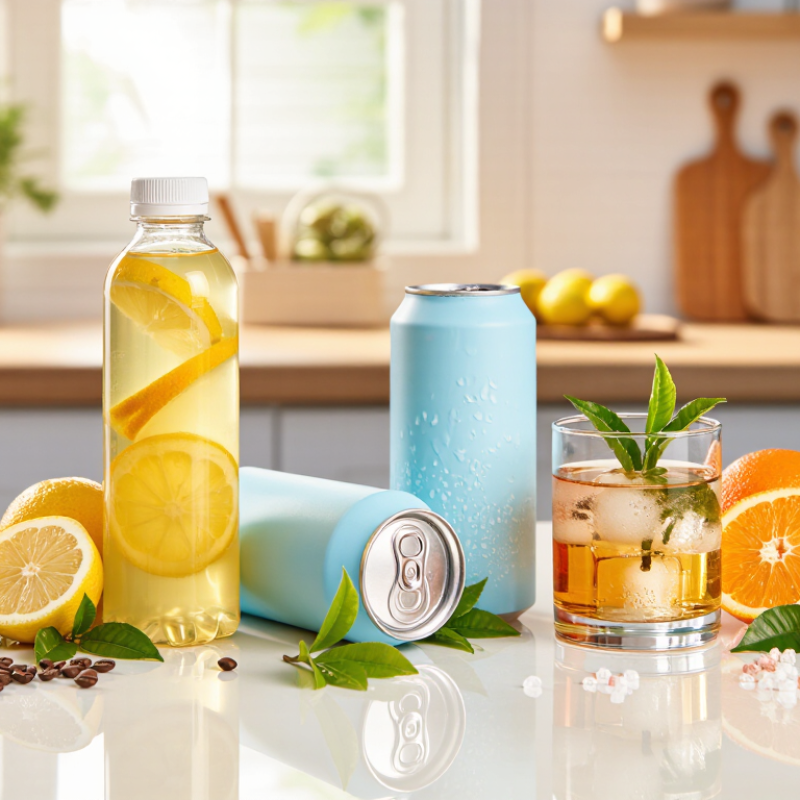
What Is the Best Type of Energy Drink to Create?

Classify Energy Drinks by Caffeine, Sugar, Electrolytes, and Function

Choosing an energy drink to create starts with the person and occasion, not a flashy flavor. Classify the formula by caffeine, sugar, electrolytes, and intended function. A lightly caffeinated option may suit a short work session. Stronger formulas need careful serving-size controls and clear labeling. Show total caffeine per container, not only per serving. Details matter. Caffeine sensitivity varies, so a caffeine-free version may also make sense.

Sugar affects taste and the drink’s intended use. A moderately sweet formula can provide quick carbohydrate, while heavy sweetness may feel cloying during a commute or warm exercise. A low- or no-sugar option can suit people limiting added sugars, though some sweeteners leave an aftertaste.

Sodium may help replace sweat losses during long exercise; it does not turn every energy drink into a hydration drink. Match electrolyte levels to the use case rather than adding them for decoration.

Define the function plainly: alertness, a small pre-exercise boost, or fluid replacement. Each ingredient should support that purpose, without promising better focus or performance for everyone. I would test the drink cold and at room temperature. Cold tasting can hide flaws, and that is an easy detail to miss. Keep the intended serving size and target user clear during development.
Set Caffeine Levels Within FDA’s 400 mg Daily Limit for Healthy Adults

The best energy drink to create is one with a clearly measured caffeine dose, not the highest dose possible. For most healthy adults, the FDA says 400 mg of caffeine per day is not generally linked to negative effects. That figure covers all sources, including coffee, tea, and chocolate. It is not a recommended target or a per-can allowance. Keep it measurable.

The European Food Safety Authority’s 2015 Scientific Opinion on the Safety of Caffeine also assessed 400 mg per day as a level that generally does not raise safety concerns for healthy adults. Its review notes that a single dose up to 200 mg is generally considered safe for this group. A practical formulation could therefore keep each serving well below 200 mg, leaving room for a morning coffee or an afternoon tea. Check the total.

Use a readable label that states caffeine per container and per serving; those amounts can differ. The FDA cautions that sensitivity varies with body weight, medications, health conditions, and individual response. Pregnant adults should follow separate medical guidance. A chilled can beside a coffee cup makes the arithmetic tangible: both count toward the daily total. A lower dose may seem less impressive, but it is easier to track and explain.

Compare Serving Strength with EFSA’s 200 mg Single-Dose Guidance

The best energy drink is not automatically the strongest. Build serving strength around a clear caffeine amount, then consider how quickly someone might drink it. EFSA’s 2015 Scientific Opinion concluded that single caffeine doses up to 200 mg do not raise safety concerns for healthy adults. It also assessed daily intake up to 400 mg as not raising safety concerns for most healthy adults. These are reference levels, not targets, and individual sensitivity varies.

A 70 kg adult reaches 200 mg at about 2.9 mg per kilogram. A drink containing 80 mg leaves more room for caffeine from coffee or tea; a 160 mg serving leaves less. That difference matters when a can is consumed quickly, rather than sipped over an afternoon. EFSA also notes that caffeine from all sources counts. A lower-strength serving may therefore suit more occasions, though it can feel less compelling to people seeking a stronger effect. Small is often enough.

Tips: State the caffeine per serving clearly, and make the serving size easy to spot. Check whether the container holds more than one serving. Test taste and perceived energy with adults, while tracking total caffeine intake. Avoid implying that 200 mg is right for everyone.

Control Added Sugar Below WHO’s 10% Free-Sugar Threshold

What Is the Best Type of Energy Drink to Create?
Control Added Sugar Below WHO’s 10% Free-Sugar Threshold

A strong energy drink can deliver clear flavor and measured caffeine without relying on sweetness. WHO’s 2015 guideline recommends keeping free sugars below 10% of total daily energy; below 5% may bring further benefits. At 2,000 calories, 10% equals about 50 grams of sugar daily. That is a whole-day ceiling, not a per-can allowance. WHO includes added sugars, syrups, honey, and sugars in fruit juice as free sugars.

For product development, set a lower sugar target per serving, then test whether acidity, aroma, and carbonation keep the drink satisfying. A 250 mL test batch with 5–8 grams of sugar is a useful starting point, not a universal rule. Check the finished nutrition panel and serving size; consumers may drink more than one can. Citrus aroma can make a less-sweet sample feel brighter. Small changes matter. I would not assume “zero sugar” automatically tastes better; blind sensory testing may challenge that assumption.

Tips: Compare chilled samples at different sugar levels, since cold can mute sweetness. Record grams of sugar and caffeine separately. Recheck the recipe after every flavor adjustment, so sweetness does not creep upward.

What Is the Best Type of Energy Drink to Create?

Control added sugar below the World Health Organization’s 10% free-sugar threshold. The chart shows the maximum daily free-sugar amount at different energy intakes, calculated at 4 kcal per gram of sugar.

Product direction: A low-sugar or unsweetened energy drink is the strongest formulation choice. For a 2,000 kcal diet, the WHO’s 10% threshold equals less than 50 g of free sugar per day, while a stricter 5% target equals less than 25 g.

Match Hydration Formulas to ACSM’s 6–8% Carbohydrate Guidance

What Is the Best Type of Energy Drink to Create?

The best energy drink starts with the exercise setting, not a flashy flavor. For longer sessions, ACSM guidance commonly supports a carbohydrate concentration of 6–8%. That equals about 6–8 grams of carbohydrate per 100 milliliters of fluid. A 500-milliliter bottle would therefore contain roughly 30–40 grams of carbohydrate.

Keep the formula practical. Use water, measured carbohydrate sources, and electrolytes suited to sweat losses. A lightly flavored drink may encourage steady sipping during a hot training session. It should not taste overly sweet after several mouthfuls. That detail matters. High carbohydrate levels can slow stomach emptying and cause discomfort for some athletes. The 6–8% range is useful, but it is not a universal prescription.

Test the drink during training, never for the first time on race day. Record temperature, exercise duration, fluid intake, and stomach response. A runner may tolerate 6% well, while a cyclist prefers a stronger flavor and smaller sips. Individual sweat rates also vary widely. A formula that works in cool weather may feel heavy in humid conditions. I would also question whether every “energy drink” needs the same carbohydrate level. Short workouts may need less. My first formula might still be too sweet, despite careful measurements. That is valuable feedback, not failure.

What Is the Best Type of Energy Drink to Create? — Match Hydration Formulas to ACSM’s 6–8% Carbohydrate Guidance

Formula Type Carbohydrate Concentration Carbohydrate per 500 mL Suggested Electrolyte Profile Best-Suited Use Key Design Consideration
Standard carbohydrate-electrolyte drink 6%
6 g per 100 mL
30 g
Approximately 120 kcal from carbohydrate
Moderate sodium; potassium may be included in a smaller amount Endurance exercise lasting about 1–2 hours, especially in warm conditions Provides a practical balance between fluid delivery, carbohydrate availability, taste, and gastrointestinal tolerance.
Higher-carbohydrate endurance drink 8%
8 g per 100 mL
40 g
Approximately 160 kcal from carbohydrate
Moderate sodium; electrolyte concentration should be evaluated alongside total carbohydrate and fluid intake Longer-duration endurance sessions or situations where additional carbohydrate is needed during exercise Higher carbohydrate content can increase energy delivery but may be less comfortable for some users if consumed rapidly or in large volumes.
Lower-carbohydrate hydration drink 3–5%
3–5 g per 100 mL
15–25 g
Approximately 60–100 kcal from carbohydrate
Low to moderate sodium, depending on sweat losses and the intended use Shorter sessions, lighter exercise, or users prioritizing hydration over energy intake Falls below the 6–8% carbohydrate range commonly used for carbohydrate-electrolyte sports drinks; it may be easier to drink but supplies less carbohydrate.
Carbohydrate-free electrolyte drink 0%
No carbohydrate
0 g
0 kcal from carbohydrate
Sodium-focused electrolyte profile; potassium can be added where appropriate Short-duration activity, everyday hydration, or exercise where additional carbohydrate is not required Supports fluid and electrolyte intake but does not provide carbohydrate fuel or match the 6–8% carbohydrate guidance.
Diluted concentrate formula 6–8% after dilution
Final concentration must be calculated from the prepared volume
30–40 g per 500 mL when prepared correctly Electrolyte levels should be calculated in the final ready-to-drink serving Powdered or concentrated products intended to be mixed before exercise Label the required water volume clearly; adding too little water can create a solution above the intended carbohydrate concentration.
Calculation guide: A 6–8% carbohydrate solution contains 6–8 g of carbohydrate per 100 mL of finished beverage, or 60–80 g per liter. For a 500 mL serving, this equals 30–40 g of carbohydrate. Actual hydration needs vary with exercise duration, sweat rate, weather, body size, and individual tolerance.
The 6–8% range is expressed as carbohydrate mass per finished beverage volume. Values shown are formulation targets rather than recommendations for a specific commercial product.