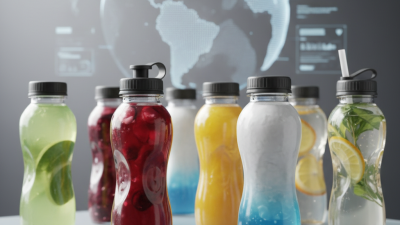
Choosing a Chinese private label drinks manufacturer can determine how smoothly a product moves from concept to shelf. The right partner may help with formulation, packaging, production, and export preparation. But “top” depends on your brief. A startup seeking small trial runs needs different support from a retailer ordering container loads.
This guide introduces ten manufacturers for brands comparing beverage capabilities in China. It considers practical factors such as product range, custom formulation, packaging choices, production scale, and communication. A sample bottle, a clear ingredient specification, and a realistic production timeline can reveal more than polished marketing copy. Small details matter. They often do.
Treat this list as a starting point, not a guarantee or fixed ranking. Capabilities, minimum order quantities, lead times, and certification scope can change. Confirm current details directly with each supplier, and request relevant documentation before committing. Ask who owns a custom formula, how samples are evaluated, and what happens if the first batch misses agreed specifications. A neat brochure cannot answer every question.
For newer brands, the best fit may be a manufacturer willing to explain trade-offs plainly, even when the answer is inconvenient. That is worth remembering. Compare written quotes on the same product assumptions, then assess samples and communication together. No supplier suits every brief. A careful review can help you shortlist private label drinks partners with more confidence—and fewer surprises.
What Private Label Beverage Manufacturing Means in China
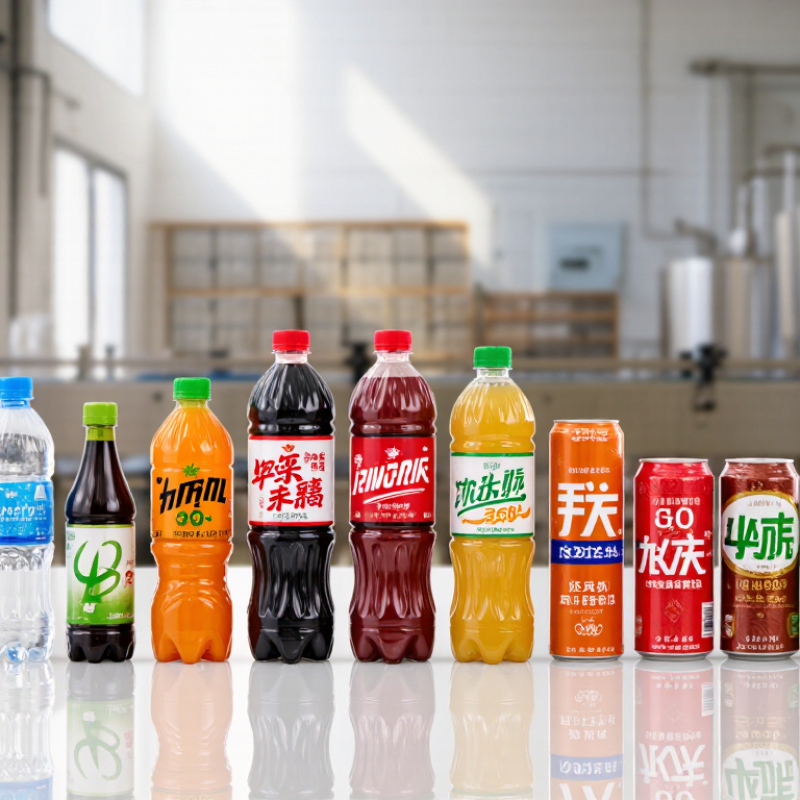
Private label beverage manufacturing means a factory makes drinks to a buyer’s specifications, while the buyer controls the product identity and sales. In China, this can include recipe adjustment, ingredient sourcing, filling, packaging, and batch testing. The scale is substantial: China’s National Bureau of Statistics reported beverage production of about 175.4 million tonnes in 2023, up 4.1% year on year. That figure describes the wider industry, not private-label capacity alone. A large market does not automatically mean a suitable supplier.
A practical project starts with a clear brief: drink type, target taste, bottle or can size, shelf life, and expected order volume. The manufacturer can then assess whether its equipment and quality systems match the request. Ask how ingredients are traced, how batches are tested, and what happens when a sample differs from the approved version. Those details matter. A glossy sample is not proof of consistent production, and timelines can shift when packaging materials or ingredients need adjustment.
Tips: Request a written specification and pilot samples before placing a large order. Check facility audit records and test reports, and confirm who owns the final formula. Leave room for revisions; early assumptions are often wrong.
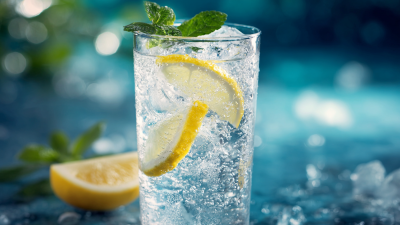
Private-label beverage manufacturing means a manufacturer produces drinks to a buyer’s specifications, which may include the recipe, packaging, and label. The chart shows example nominal package volumes—not market shares or a ranking of manufacturers. Actual formats depend on the product and production line.
Private-label drink manufacturers may produce bottled water, sparkling drinks, juice blends, iced tea, coffee, and flavored dairy or plant-based beverages. Some facilities also handle powdered drink mixes. The available range depends on equipment, ingredients, and production volumes. Ask whether a product can be made consistently at your target batch size. A long category list does not guarantee every recipe is practical.
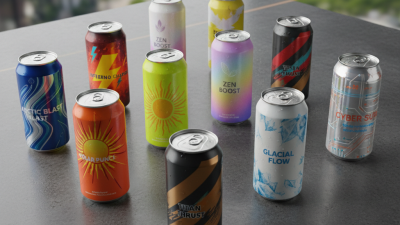
Production services can include recipe development, ingredient sourcing, blending, carbonation, pasteurization, and filling. Packaging options may include cans, glass bottles, plastic bottles, or cartons. Some manufacturers offer label application, case packing, and basic shelf-life testing. Processes vary by product, so confirm temperature controls and quality checks for the specific drink. Details matter.
Tips: Request a sample made with your intended ingredients and packaging. Check minimum order quantities, lead times, and testing documents before approving a run. A lower unit price may come with less flexibility. That trade-off is easy to miss. Ask what happens if a batch fails agreed quality checks.
China Top 10 Private Label Drinks Manufacturers?
How to Evaluate China’s Private Label Drink Manufacturers
Choosing a drink manufacturer takes more than comparing price sheets. Check whether its equipment suits your product, from mixing tanks to filling lines and bottle sizes. Ask for current food-safety certificates and confirm which facility and product categories they cover. A certificate is useful, but it does not replace an audit or clear production records.
Request samples made with the proposed recipe and packaging. Taste them at different temperatures, then check color, aroma, seal quality, and label accuracy. Ask how the manufacturer tests batches and handles complaints. Review minimum order quantities, lead times, ingredient sourcing, and payment terms in writing. Small details matter. A delayed label approval can hold up a whole shipment. No checklist catches everything, and even careful buyers may overlook a weak point.
Tips: Ask for a live video tour of the production area, plus recent batch records with sensitive details removed. Compare the sample with the written specification, not just your memory. Keep questions specific. “How do you control filling temperature?” is more useful than “Is quality good?” If an answer feels vague, ask again; that can feel awkward, but it is worth doing.
Without naming companies, ten notable Chinese private-label drink manufacturers can be identified by their production specialties: bottled water, ready-to-drink tea, carbonated drinks, juice, plant-based beverages, dairy drinks, sports hydration, vitamin beverages, concentrates, and powdered drink mixes. These are supplier profiles, not a verified ranking of individual factories. China’s National Bureau of Statistics reported roughly 17.8 million tonnes of beverage production in 2023, showing the scale of the domestic manufacturing base. The figure covers enterprises above the designated size threshold, so it does not describe every small contract producer.
A capable supplier should provide product trials, ingredient specifications, batch traceability, and clear minimum order quantities. Ask to inspect the filling line: bottle handling, sanitation controls, and coding equipment reveal more than a polished brochure. Check whether the factory can manage your chosen packaging and product type, rather than assuming broad claims mean proven experience. Details matter. The USDA Foreign Agricultural Service’s China: Retail Foods Annual reports on the country’s changing food retail environment; buyers can use it alongside factory audits when assessing routes to market. One imperfect point: a low quotation can look attractive, but without transparent testing and lead-time records, comparison is weak. Request recent quality documents and confirm who handles formulation changes before approving a production run.
The source articles were not included, so this table does not identify or rank individual manufacturers. It summarizes ten established beverage product segments and common contract-manufacturing considerations; capabilities vary by facility and should be verified directly.
| No. | Private-Label Beverage Segment | Common Product Formats | Manufacturing Considerations | Buyer Checks |
|---|---|---|---|---|
| 1 | Bottled water | PET bottles, cans, large-format containers | Water-source management, treatment, hygienic filling, and packaging integrity | Water-quality reports, source documentation, applicable food-safety certification |
| 2 | Ready-to-drink tea | PET bottles, cans, cartons | Tea extraction, formulation, heat treatment, and flavor stability | Ingredient traceability, shelf-life testing, and process compatibility |
| 3 | Fruit and vegetable drinks | Bottles, cans, cartons, pouches | Juice-content formulation, pulp handling, pasteurization, and separation control | Ingredient specifications, label compliance, and validated shelf life |
| 4 | Carbonated soft drinks | PET bottles, aluminum cans, glass bottles | Syrup blending, carbonation, counter-pressure filling, and closure control | Carbonation specifications, package compatibility, and line capability |
| 5 | Energy and sports drinks | Cans, PET bottles, powder sachets | Accurate dosing, ingredient compatibility, and controlled blending | Regulatory review of ingredients and claims in each sales market |
| 6 | RTD coffee | Cans, bottles, aseptic cartons | Coffee extraction, dairy or plant-based formulation, and thermal processing | Emulsion stability, microbial controls, and packaging-process validation |
| 7 | Plant-based beverages | Aseptic cartons, bottles, chilled formats | Raw-material preparation, homogenization, heat treatment, and allergen controls | Allergen management, formulation stability, and suitable processing equipment |
| 8 | Dairy-based drinks | Bottles, cartons, cups | Cold-chain or shelf-stable processing, sanitation, and formulation control | Dairy handling controls, temperature records, and shelf-life evidence |
| 9 | Functional and vitamin drinks | Cans, bottles, liquid shots | Micronutrient dosing, ingredient stability, and controlled mixing | Permitted ingredients, claim substantiation, and market-specific labeling |
| 10 | Powdered beverage mixes | Sachets, stick packs, tubs | Dry blending, moisture control, powder handling, and filling accuracy | Facility hygiene, moisture-barrier packaging, and batch traceability |
Before placing a private label beverage order, verify the supplier beyond its website and sales brochure. Request a current business profile, production address, and relevant food-safety certificates, then confirm that the certificate scope matches the actual facility and product. Ask for recent audit records or a scheduled video tour of the production line. Look for practical details: stainless-steel tanks, clear ingredient labels, and separate areas for filling and packing. Small details matter. Request references from buyers with similar products, but remember that a polished reference list is not proof by itself.
Plan the order around a written product specification. State the beverage type, ingredients, bottle size, packaging material, target shelf life, and required test results. Ask for a sample from the same formula and packaging you intend to order; taste and inspect it after storage, not just on arrival. Confirm minimum order quantity, sample fees, production lead time, payment stages, and what happens if a batch fails agreed checks. Keep approvals and changes in writing. A tidy spreadsheet helps, though it cannot replace careful follow-up. Leave room in the schedule for label review, shipping delays, and one round of corrections. Suppliers may answer quickly before a deposit, then slowly when details get complicated. Notice that early.
TO GET STARTED OR FOR A FREE QUOTE CALL 888.454.3466