China Top Energy Drinks That Work for Global Buyers
China’s energy drink market offers global buyers a wide range of flavors, formats, and price points. Yet a bright can and confident slogan do not prove a product will suit your customers. This guide explores energy drinks that work for different retail and distribution needs, while treating performance claims with care. Details matter.
Buyers should compare ingredient lists, caffeine content, serving sizes, shelf life, packaging options, and available product documentation. A citrus drink in a slim can may fit convenience stores, while a larger bottle could suit other sales channels. These are practical examples, not universal rules. Taste tests with local consumers can reveal preferences that supplier brochures cannot. Not every option fits.
Reliable sourcing also depends on clear communication with manufacturers. Ask for current specifications, quality-control records, and export documents, then confirm that labels and ingredients meet the destination market’s requirements. Rules differ by country and can change, so qualified local review is prudent. Avoid relying on broad promises such as “instant energy” without checking the evidence and permitted wording. No ranking can settle every buyer’s needs. A supplier may appear attractive on price, but delivery consistency and transparent support matter too. The strongest shortlist balances consumer appeal with verifiable product information, workable logistics, and responsible marketing. Some details remain uncertain until samples arrive and checks are complete. That is worth acknowledging.
China’s Energy Drink Market: Key Categories and Consumer Trends
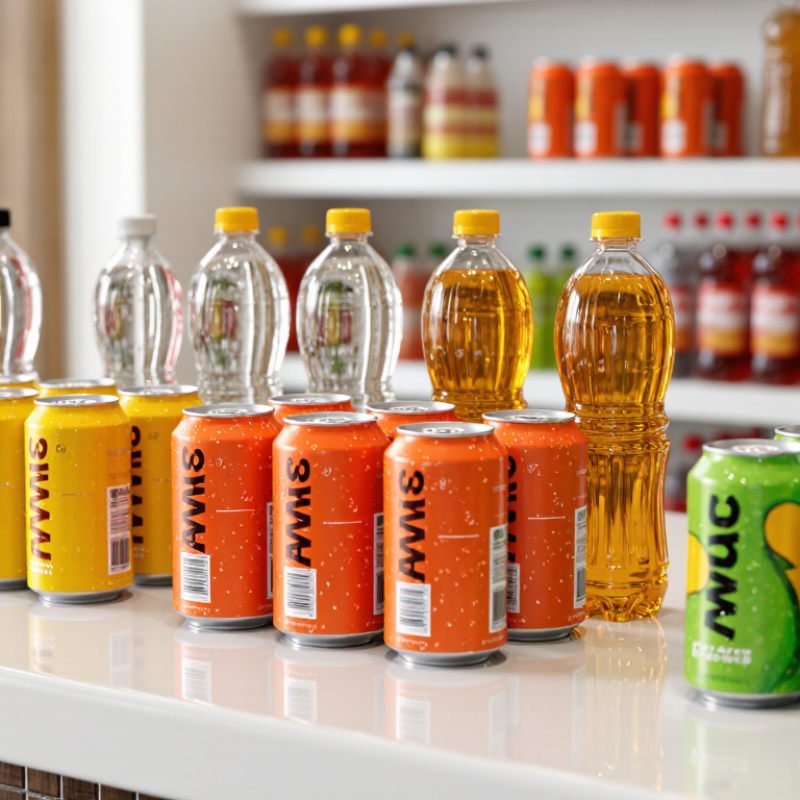
China’s energy drink market is not one uniform category. Buyers will commonly encounter classic caffeinated drinks, sugar-free options, and products positioned around hydration or added nutrients. Pack sizes vary too, from slim cans for convenience stores to larger bottles suited to longer commutes. The labels deserve a close look. Caffeine, sugar, serving size, and ingredient amounts can differ, even when the packaging looks similar.
Consumer interest is shifting toward lighter sweetness and clearer ingredient information, especially among urban shoppers comparing drinks at a chilled display. Some consumers still prefer a familiar, bold taste. Others choose low-sugar formulas for daily routines, though “low sugar” does not automatically mean low caffeine. That distinction matters. For global buyers, local taste testing can reveal details that product sheets miss: aftertaste, carbonation, and how the drink feels when served cold. Trends also vary by city and age group, so one sample rarely tells the whole story. Market signals can be messy. A useful sourcing review combines label checks, sensory feedback, and repeat orders rather than relying on a single popular flavor.
China’s Energy Drink Market: Consumer Context for Global Buyers
Caffeine guidance is a useful reference when evaluating energy drink formulations and serving sizes. These are EFSA safety benchmarks, not China-specific market shares or consumption data; actual caffeine content varies by product.
Source: European Food Safety Authority (EFSA), “Scientific Opinion on the Safety of Caffeine” (2015). The reference levels differ by exposure period: single dose versus total daily intake.
Common Ingredients and Functional Claims in Chinese Energy Drinks
Chinese energy drinks commonly combine caffeine with taurine, B vitamins, sugar or non-sugar sweeteners, and sometimes botanical extracts. Caffeine supports alertness, while B vitamins help the body release energy from food; neither ingredient guarantees stronger performance. Taurine is widely used, but its presence alone does not prove a drink improves stamina. Check the amount per serving, not just the ingredient list.
Grand View Research estimated the global energy drinks market at USD 73.8 billion in 2023, reflecting broad demand but not proving any particular functional claim. The European Food Safety Authority’s 2015 caffeine assessment found that single doses up to 200 mg generally raised no safety concern for healthy adults. Context matters: serving size, other caffeine sources, and the intended consumer all affect how buyers should interpret a label.
For global sourcing, request ingredient specifications, caffeine test results, and evidence behind claims such as “focus” or “hydration.” Electrolytes may suit a hydration message, but a sugary formula can complicate that positioning. A clean-looking label is not enough. Botanical ingredients can vary by extract and dose, so documentation matters. Even familiar formulas deserve scrutiny; claims that sound precise may rest on limited product-specific evidence.
Leading Chinese Energy Drink Brands and Their Product Profiles
China’s energy-drink range is best compared by formula, format, and intended use—not packaging alone. Supplier catalogs commonly include classic caffeinated formulas, lower-sugar options, and sugar-free versions. Products may combine caffeine with taurine and B vitamins, while citrus, herbal, or berry notes shape the taste. Formats range from slim cans for convenience to larger bottles for sharing. Check serving size: caffeine per container can differ sharply from caffeine per 100 milliliters.
Product profiles should specify caffeine, sugar, key ingredients, volume, and shelf life. Ask for current specifications and representative samples; taste, sweetness, and carbonation can shift during production. Not every formula travels well. Grand View Research estimated the global energy-drinks market at USD 73.8 billion in 2023 and projected an 8.2% compound annual growth rate from 2024 to 2030. This market context supports comparing differentiated profiles, but it does not guarantee demand for any one product.
Tips: Compare caffeine per serving, not just per 100 milliliters. Request a batch specification and test samples at the intended serving temperature. Review ingredient and nutrition labels for the destination market before approving packaging. Small details matter. Sweetness is subjective, and I would not assume a popular local flavor will suit every buyer.
How Global Buyers Can Evaluate Quality, Pricing, and Export Readiness
Global buyers should compare more than flavor and unit price. Grand View Research estimated the global energy drinks market at USD 73.8 billion in 2023, with an 8.1% projected annual growth rate through 2030. That growth makes supplier checks more important, not less. Request product specifications, ingredient details, and recent batch test reports. Check caffeine content, acidity, and microbiological results against the product’s declared limits. Compare samples from multiple production batches. A polished sample proves little.
Pricing needs context. Ask suppliers to separate beverage cost, packaging, tooling, freight terms, and any testing charges. Then compare quotations at the same order volume and delivery basis. A low quote can become costly if cartons arrive damaged or shelf life is short. Check can seams, print legibility, and date coding on physical samples. Small details matter.
Export readiness deserves equal weight. Request a clear document list, including the certificate of analysis, ingredient specification, and country-of-origin paperwork. Confirm that the label language and nutrition information meet the destination market’s requirements. Ask for shelf-life evidence under stated storage conditions, not just a number on a sales sheet. Verify production capacity and lead times in writing. I would still question a flawless-looking offer if batch records or test methods are missing. A supplier’s response to that question can be revealing.
Regulations, Packaging, and Distribution Considerations for Importers
For importers, a Chinese energy drink is not ready for export just because its domestic label looks complete.
Check the destination market’s rules for ingredients, caffeine declarations, nutrition panels, warning statements, and permitted health claims. Requirements vary, so have a qualified local compliance professional review the formula and artwork before production. Keep the ingredient specification and test records aligned with each shipment. Small mismatches can delay clearance.
Packaging needs practical checks, too.
Cans should arrive without dents or leaking seams; cartons should resist moisture during long, humid routes. Confirm that labels remain legible after refrigeration and handling, and that required local-language information is applied correctly. A sample carton tested through the intended supply chain can reveal issues that a desk review misses. It takes time.
Distribution planning starts before the goods leave the factory.
Agree on shelf-life expectations, storage conditions, batch coding, and procedures for damaged stock with the importer and warehouse. Check port schedules and inland transport options, since delays can shorten the time available for retail sale. Forecast cautiously: demand may differ by region and season. I’ve seen planning treat all markets as alike; that assumption deserves another look. Keep shipment documents consistent, and assign one contact to resolve label or delivery questions quickly.