What Are Energy Drinks That Work for Global Buyers?

Energy drinks that work for global buyers must deliver measurable value, not merely bright packaging and aggressive claims. Buyers need evidence across caffeine strength, taste stability, sugar content, shelf life, and local compliance. A drink that performs well in Seoul may feel too sweet in Berlin. Consumer expectations are rarely universal.

Grand View Research estimated the global energy drinks market at approximately USD 86.74 billion in 2022. Its report also projected a 7% compound annual growth rate from 2023 to 2030. These figures suggest strong commercial potential, but market size does not prove product effectiveness. Buyers should examine serving-level caffeine, ingredient transparency, and independent quality testing. The U.S. Food and Drug Administration states that up to 400 milligrams of caffeine daily is generally acceptable for most healthy adults. Individual sensitivity still varies.

Dr. John Higgins, a sports cardiologist at UTHealth Houston, has warned, “Energy drinks can increase blood pressure and heart rate.” That caution matters for responsible international sourcing. A successful product should support alertness without encouraging excessive consumption. It should also provide clear warnings and age-appropriate marketing. Small details matter.

This article examines energy drinks that work through a buyer’s practical lens. It compares formulation, functional ingredients, sensory performance, packaging, and documentation. It also considers regional preferences and regulatory differences. No formula works everywhere. That is the uncomfortable truth. A strong purchasing decision combines laboratory evidence, user feedback, and honest product limitations. Even excellent products may need reformulation before entering a new market.
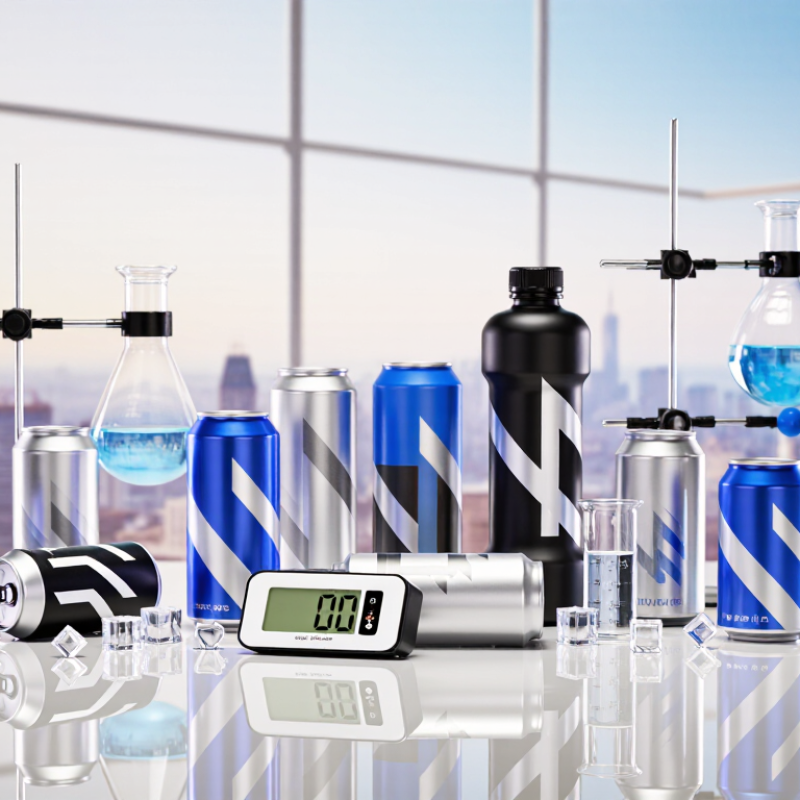
What Are Energy Drinks That Work for Global Buyers?

What Defines an Energy Drink That Works for Global Buyers?

An energy drink that works for global buyers must balance function, taste, safety, and local expectations. Buyers often examine caffeine levels, sugar content, serving size, and ingredient transparency before placing an order. Clear labels matter.

A dependable formula uses measured ingredients and avoids exaggerated performance claims. Caffeine content should appear prominently, with suitable guidance for responsible consumption. Some markets prefer lower sugar, while others value familiar fruit flavors or mild sweetness. Electrolytes may suit active consumers, but they should not become a decorative claim without meaningful formulation support.

Quality teams should verify every batch through documented testing. They should check caffeine accuracy, microbial safety, shelf stability, and packaging performance. A can that survives humid warehouses and long shipping routes has practical value. Easy-to-read labels also help importers review allergens, nutrition data, and local compliance requirements. Regulations differ widely, so one label rarely fits every country.

No formula fits everyone. That assumption can fail.

Global buyers also consider production reliability, minimum order quantities, and delivery consistency. A strong product may lose trust when cartons arrive damaged or supply suddenly changes. Trial shipments, buyer feedback, and small formulation adjustments can reveal problems early. Taste tests may expose a weakness that laboratory data misses. A drink can be technically compliant yet still feel too sweet, too strong, or unfamiliar to local consumers.
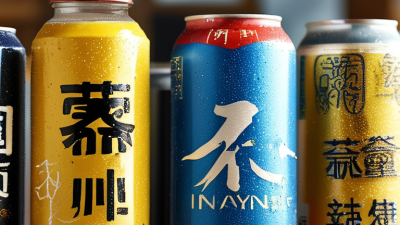
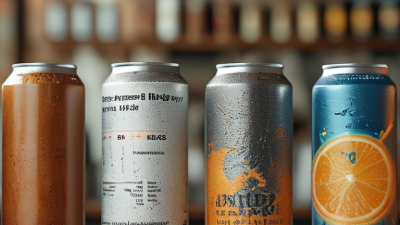
What Are Energy Drinks That Work for Global Buyers? - What Defines an Energy Drink That Works for Global Buyers?

A practical benchmark table for evaluating energy drink products across international markets

Global Energy Drink Product Benchmark
Evaluation Dimension Practical Benchmark Why It Matters to Global Buyers Relevant Fact or Reference Point
Caffeine per serving Approximately 50–200 mg per serving, with the exact amount clearly declared Supports different consumer needs while making dosage easier to understand and manage EFSA identifies up to 200 mg as a single caffeine dose generally without safety concern for healthy adults; individual regulations may differ
Total daily caffeine guidance Include responsible-use guidance and avoid encouraging excessive or repeated consumption Clear usage communication helps importers, retailers, and consumers manage regulatory and safety expectations Common scientific reference points include up to 400 mg per day for healthy adults and up to 200 mg per day during pregnancy
Sugar content Offer both reduced-sugar and sugar-free options; disclose grams per serving and per 100 ml Different markets apply different front-of-pack thresholds, and lower sugar broadens the potential customer base WHO recommends limiting free sugars to less than 10% of daily energy intake, with additional benefits below 5%
Calories per serving Provide a low-calorie formulation, ideally with a transparent calorie declaration Calorie-conscious positioning is easier to adapt across fitness, lifestyle, and convenience channels Energy values must be calculated and labeled according to the destination market’s nutrition-labeling rules
Functional ingredients Use a short, transparent ingredient list with clearly stated quantities where required Simple formulas are easier to explain, translate, register, and verify during import compliance reviews Ingredient permissions, maximum levels, and health claims vary by jurisdiction; caffeine and botanical ingredients require market-specific review
Electrolyte positioning If positioned for exercise or hydration, disclose sodium and other electrolytes accurately Prevents confusion between an energy drink, a sports drink, and a hydration product Electrolyte content should support the product claim; hydration or performance claims may require substantiation
Serving size Use a practical single-serve format, commonly around 250–500 ml, with clear serving instructions A consistent serving size makes caffeine, sugar, calories, and price easier to compare across markets Nutrition declarations may be required per serving, per 100 ml, or both, depending on the destination market
Packaging and shelf stability Use robust, tamper-evident packaging with a verified shelf life suitable for long-distance distribution International logistics may involve heat, humidity, extended storage, and multiple handling points Shelf-life validation should reflect the actual package, formulation, storage conditions, and distribution route
Label localization Prepare multilingual labels with local units, allergens, ingredient names, warnings, and importer details Accurate localization reduces customs delays, relabeling costs, and retail rejection risks Food-labeling requirements are jurisdiction-specific, including language, nutrition format, claims, and warning statements
Claims and advertising Use measurable, supportable claims such as caffeine quantity or sugar-free status where legally permitted Conservative claims are easier to adapt across countries with different advertising standards Claims such as “improves performance” or “reduces fatigue” may require scientific evidence or authorization
Quality and traceability Maintain batch coding, testing records, certificates, and documented quality-control procedures Traceability supports distributor qualification, recalls, audits, and long-term buyer confidence Food manufacturers commonly use preventive food-safety systems such as HACCP-based controls and batch traceability
Export readiness Prepare product specifications, certificates of analysis, customs documents, and destination-market registrations where applicable Complete documentation shortens onboarding time and reduces avoidable import problems Required documents vary by country, product category, ingredients, packaging, and importer responsibilities
Commercial flexibility Offer scalable minimum order quantities, multiple pack formats, and formulation or label adaptation options Different markets have different channel sizes, price points, and consumer preferences Flexible packaging and labeling can help buyers test demand before committing to larger international volumes
Note: The benchmarks above are general product-development and buyer-evaluation guidelines rather than universal legal limits. Caffeine thresholds, labeling rules, permitted ingredients, nutrition claims, and warning requirements must be checked for each destination market before commercialization.

Which Ingredients Support Energy, Focus, and Endurance?

What Are Energy Drinks That Work for Global Buyers?

Effective energy drinks usually rely on a small group of studied ingredients, not an overloaded label. Caffeine supports alertness and perceived effort. The International Society of Sports Nutrition’s 2021 position stand reports that 3–6 mg per kilogram may improve endurance and high-intensity performance. Lower doses may suit office workers or occasional users. More is not automatically better.

For safety, the European Food Safety Authority’s 2015 scientific opinion considers up to 400 mg of caffeine daily acceptable for most healthy adults. A single dose should generally remain within 200 mg. Buyers still need clear serving sizes, because body weight, pregnancy, medication, and caffeine habits change the risk. Focus formulas may add L-theanine, but evidence remains less consistent than caffeine evidence. That uncertainty deserves honest labeling.

Endurance needs fuel.

Carbohydrates can help during prolonged exercise, while sodium supports fluid balance during heavy sweating. The American College of Sports Medicine recommends tailored carbohydrate and fluid intake based on exercise duration, heat, and sweat loss. Taurine is common in energy formulations, yet its performance value depends on dose and consumer context. Global products should avoid assuming one formula fits every market. Sugar limits, caffeine rules, language requirements, and permitted ingredients vary by country. I would test taste and tolerance with real users, not only laboratory samples. Clean positioning can still fail if the drink feels too sweet, too strong, or difficult to understand.

How Do Energy Drinks Meet Different Regional Preferences?

Global buyers do not want one universal energy drink. Grand View Research estimated the global energy drinks market at about USD 86 billion in 2023. Its continued growth reflects different needs across regions, not identical tastes. In Southeast Asia, consumers often favor tropical fruit, tea notes, and smaller cans. In Europe, reduced sugar, recyclable packaging, and clear caffeine labeling can matter more. Local shelves tell the real story.

Regional habits also shape the drinking occasion. A lightly carbonated drink may suit hot, humid commutes. A concentrated shot may appeal to convenience-focused shoppers. In North America, bold flavors and functional claims remain influential, while some Middle Eastern markets may prefer familiar citrus or berry profiles. Innova Market Insights has reported strong global interest in products combining energy with added functionality, including vitamins and botanical ingredients. Yet “functional” must be explained plainly.

Caffeine limits require careful market adaptation. The European Food Safety Authority considers single doses up to 200 milligrams safe for healthy adults, while total daily intake should generally remain within 400 milligrams. Rules and labeling expectations still vary. Do not assume one formula fits every country. This is where product teams often underestimate local research. Taste tests, retailer feedback, and transparent claims are more reliable than assumptions. Even then, preferences can shift quickly. A successful regional launch may need smaller servings, less sweetness, or a completely different flavor profile.

What Safety, Quality, and Labeling Standards Should Buyers Check?

Global buyers should treat energy drinks as regulated food products, not simple lifestyle beverages. Check caffeine content per serving and per can, because serving sizes can hide the real intake. Confirm testing for caffeine, microbiological safety, heavy metals, and undeclared substances through an accredited laboratory. A recent certificate of analysis matters more than a polished sales presentation.

Quality controls should include GMP, HACCP, or ISO 22000-based systems, with documented batch traceability. Ask for the lot code, production date, expiry date, storage conditions, and recall procedure. Inspect sample cans for leaks, swollen ends, damaged seams, or faded printing. Small defects may signal poor transport or weak packaging control. Check whether vitamins, botanical ingredients, sweeteners, and allergens match the approved formula.

Read the label like a customs officer. It should show ingredients in the required order, net volume, nutrition information, caffeine declaration, warnings, manufacturer details, and importer information where required. Labels may need local language, metric units, age guidance, or pregnancy warnings. Rules differ across markets, so verify them with the destination authority or a qualified compliance specialist. Health and performance claims need reliable evidence, not attractive wording. No checklist is perfect. A supplier can provide correct documents while a shipment still arrives with an outdated label or inconsistent flavor. Retain samples from every batch and compare them against the approved specification.

How Can Buyers Compare Energy Drinks for Different Use Cases?

Global buyers should compare energy drinks by use case, not by caffeine numbers alone. A warehouse team may need alertness during long shifts, while a cyclist may prioritize hydration and portability. Check caffeine per serving, serving size, sugar, calories, and declared ingredients on the technical sheet. Needs differ. A 250-milliliter can and a 500-milliliter bottle can deliver very different totals, even when labels look similar. For office use, lower sweetness and compact packaging may matter more than intense flavor. For outdoor work, resealable caps, stable cartons, and clear storage guidance deserve close review. Do not assume “natural” means suitable for every market.

For each target market, buyers should verify permitted ingredients, label language, allergen statements, and local caffeine disclosure rules. Independent laboratory results can support checks for caffeine accuracy, microbiological safety, and shelf-life consistency. Ask for batch records and realistic transport data, especially for hot ports or long customs delays. Taste testing should include local consumers, not only an internal purchasing team. Record sweetness, aftertaste, carbonation, can handling, and performance after chilling. A drink that sells well in one climate may feel too heavy elsewhere. An early sampling review can fail when testers drink the product immediately, ignoring a six-hour workday. That mistake is easy to repeat. Buyers should also compare minimum order quantities, lead times, pallet efficiency, and damage rates. A low unit price can become expensive after leakage, relabeling, or rejected documentation.

What Are Energy Drinks That Work for Global Buyers?

Comparing Caffeine Levels for Different Use Cases

For buyer screening, a standard 250 mL serving containing about 80 mg of caffeine is a practical everyday benchmark. The European Food Safety Authority identifies 200 mg as a single-dose reference level for healthy adults, while the U.S. Food and Drug Administration cites 400 mg per day as an amount not generally associated with negative effects for most healthy adults. Buyers should also compare serving size, sugar, labeling requirements, target consumer age, and total daily caffeine exposure.

Reference basis: FDA caffeine guidance and EFSA Scientific Opinion on the safety of caffeine. Values are caffeine reference points, not medical recommendations.