What Are Private Label Energy Drinks and How Do They Work?
Private label energy drinks allow retailers, gyms, cafés, and online brands to sell beverages under their own names. A manufacturer formulates, produces, packages, and often tests the drink. The brand owner chooses the concept, flavor, can design, and target customer. It sounds simple. It is not always simple.
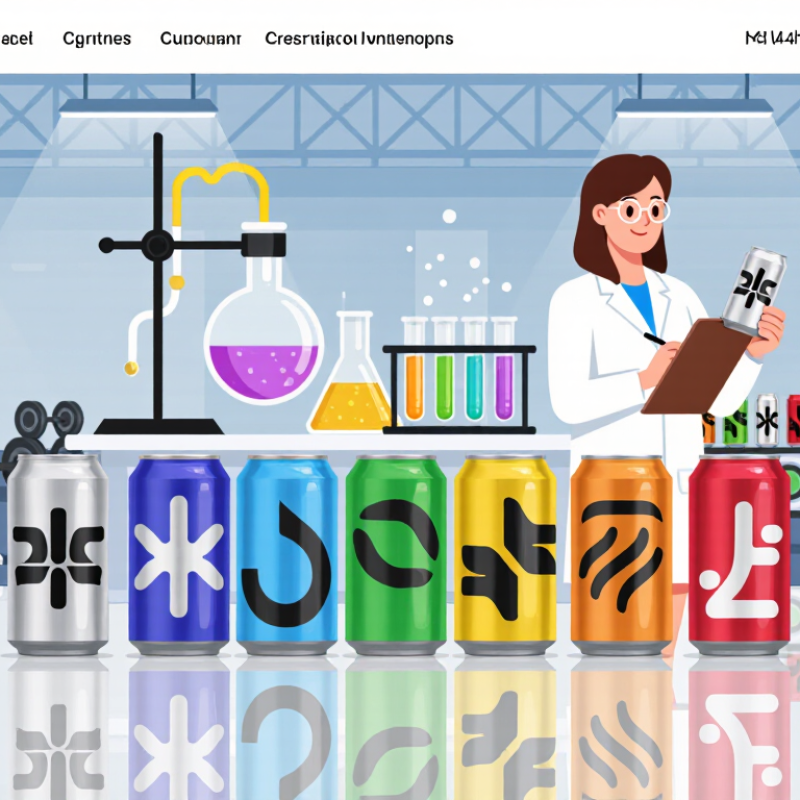
The process usually begins with a product brief. That brief may specify caffeine content, sweetness, serving size, colors, and ingredients such as taurine, B vitamins, or botanical extracts. A qualified manufacturer then develops samples and adjusts taste, stability, and production costs. Independent laboratory testing can help verify caffeine levels, microbiological safety, nutrition information, and shelf life. Reliable suppliers should provide clear specifications, batch records, and certificates from recognized testing facilities. Still, paperwork alone does not prove quality. Brands need practical checks, including sample tasting, packaging inspections, and documented supplier reviews.
After approval, the manufacturer fills the cans, applies labels, and ships finished cases. The retailer controls marketing and customer communication. Responsible labeling matters, especially where caffeine warnings or age guidance apply. Requirements vary by market, so professional regulatory review is sensible. Consumers also respond to details: a cold can after training, a sharp citrus aroma, or a label that is easy to read. These experiences influence repeat purchases, but they can also expose weaknesses. A drink may taste excellent yet feel too sweet. A low price may hide limited testing. Understanding both benefits and limitations helps businesses build private label energy drinks with greater transparency, consistency, and trust.
What Are Private Label Energy Drinks?
Private label energy drinks are beverages produced by a specialized manufacturer for another company to sell under its own name. The seller usually chooses the flavor, caffeine level, can size, and label design. The factory manages ingredient sourcing, blending, filling, and batch records. In practice, a citrus drink may arrive as sealed 250-milliliter cans, ready for warehouse delivery. The product is not necessarily made in the seller’s own facility. That distinction matters.
A typical project starts with a brief covering the target customer, taste profile, serving size, and permitted ingredients. Food scientists create samples and adjust sweetness, acidity, carbonation, and caffeine within applicable rules. Quality teams test ingredient identity, stability, microbiological safety, and packaging performance. Labels should clearly state ingredients, caffeine content where required, allergens, serving information, and responsible-use guidance. Requirements differ by market, so an experienced compliance review is essential. A polished can proves little by itself.
Private labeling can shorten development time and help a retailer control pricing and presentation. It can also create hidden weaknesses. A low-cost formula may taste harsh, while rushed testing can reveal problems after launch. Reliable operators keep supplier records, retain samples, and investigate complaints instead of dismissing them. I would question broad claims such as “clean energy” unless measurable criteria support them. Product quality is built through repeatable controls, not attractive packaging.
How Private Label Energy Drinks Are Developed and Manufactured
Private label energy drinks are beverages developed for one company and produced by a specialized contract manufacturer. The buyer defines the target customer, serving size, flavor direction, and retail position. The manufacturer turns that brief into a workable formula. It may include caffeine, taurine, vitamins, electrolytes, sweeteners, and natural flavors, depending on local regulations. Every ingredient needs a documented source and a clear technical purpose. The label must match the finished drink.
Development usually starts with bench samples, not a production tank. Food scientists test sweetness, acidity, color, mouthfeel, and caffeine uniformity in small batches. A prototype can taste too sharp. Another may lose flavor after heating. That is normal. It still deserves careful review. Stability testing checks how the drink changes over time under controlled conditions. Microbiological testing and ingredient verification support product safety. A formula can be technically sound yet commercially wrong.
After approval, the formula moves to a pilot run. Technicians confirm mixing order, carbonation, filling temperature, container performance, and cleaning procedures. The production line is monitored for weight, seal integrity, pH, and batch consistency. Finished samples are retained for traceability. Records matter. A rushed scale-up can expose problems that small samples hide, especially sediment, foaming, or flavor drift. Regulatory review should happen early, because a small specification change can affect sourcing, cost, labeling, and compliance.
Key Ingredients and Formulation of Energy Drinks
Private label energy drinks are developed by manufacturers for retailers or distributors. The buyer controls the target consumer, flavor, serving size, and label claims. The manufacturer then adjusts the formula, packaging, and production process. Ingredient selection matters more than a colorful can.
Caffeine is usually the central functional ingredient. The FDA states that up to 400 milligrams of caffeine daily is generally not associated with negative effects for most healthy adults. However, tolerance varies widely. Taurine, B vitamins, electrolytes, and plant extracts may support a product’s positioning, but they do not replace sound formulation. Sugar provides body and quick energy, while low- or no-sugar formulas often use approved sweeteners. Citric acid improves brightness and helps control pH. Preservatives, flavors, and carbonation must work together. Small changes can alter taste quickly.
Tips: Request a complete specification sheet, including caffeine per serving, allergen controls, testing methods, and shelf-life evidence. Industry reports from Innova Market Insights and Euromonitor International show continued consumer interest in reduced-sugar and functional beverages. Still, “natural” does not automatically mean safer or better. That deserves scrutiny. A strong private label formula should balance sensory testing, stability data, and transparent labeling. One weak point remains: consumers may misunderstand botanical ingredients. Clear wording helps, but clearer education would help more.
What Are Private Label Energy Drinks and How Do They Work?
Private label energy drinks are beverages produced by a manufacturer and sold under a retailer’s or distributor’s own label. Their performance typically comes from a combination of caffeine, carbohydrates, taurine, and supporting ingredients selected during formulation.
The chart shows representative ingredient levels per 250 mL serving. Actual private label formulations may vary according to regulatory requirements, product positioning, serving size, and target market.
How Private Label Branding and Packaging Work
Private label energy drinks are products developed for one retailer, distributor, or business under its own name. The manufacturer usually manages formulation, testing, filling, and quality controls. The private label owner controls positioning, branding, and packaging decisions. This model is expanding with the category. Grand View Research estimated the global energy drinks market at USD 86.16 billion in 2023, with projected growth through 2030. Packaging has become part of that competition.
Branding starts with a clear customer promise, such as steady focus or a low-sugar profile. The promise must match the ingredient panel. Packaging then turns that promise into physical details: a slim can, matte coating, high-contrast type, and a readable nutrition panel.
A 2024 PLMA report placed United States store-brand sales above USD 236 billion in 2023, showing the commercial strength of private labels. Yet attractive design is not enough. A crowded shelf exposes weak choices quickly.
The logo may look impressive on a screen but disappear under retail lighting. That mistake is common.
Professional packaging teams test can readability, barcode placement, lid color, carton strength, and transport damage. They also review required labeling with qualified regulatory specialists. Sustainability claims need evidence, not vague green language.
Recyclable materials can still create problems when local collection systems are limited. The better process uses prototypes, shelf simulations, and consumer feedback before production. It is slower. It is safer.
Private label branding works best when the can feels distinctive, while the product experience remains consistent from the first purchase onward.
Distribution, Regulations, and Market Considerations
Private label energy drinks are beverages produced by a contracted manufacturer and sold under a retailer’s own identity. The seller controls the formula, packaging, price, and route to market. The manufacturer usually manages batching, filling, quality checks, and basic documentation. This arrangement can shorten product development, but it does not remove the seller’s responsibility.
Distribution often begins with a regional warehouse, then moves through convenience stores, gyms, online shops, and food-service buyers. Temperature, stock rotation, and transport damage matter. A dented can can signal weak handling. Regulatory work must start before artwork is approved. Requirements differ by destination, especially for caffeine declarations, ingredient limits, allergen statements, nutrition panels, and advertising claims. A qualified compliance specialist should review the formula and label for every target market. Records should cover supplier specifications, laboratory results, batch codes, recalls, and complaint handling. Claims such as “boosts performance” need credible evidence and careful wording. Local authorities may also require registrations or advance notifications. Rules change.
Market planning needs more than attractive packaging. Buyers compare caffeine strength, serving size, taste, price, shelf life, and repeat demand. A small pilot shipment can expose problems before a large purchase. Sales data should be checked against returns and customer feedback, not viewed alone. Forecasting is imperfect, especially when seasonal promotions distort demand. I would not treat one successful launch as proof of lasting fit. Packaging may look premium, yet poor delivery coverage can quietly erase margins. Reliable partners, transparent testing, and realistic volumes usually matter more than ambitious promises.