How to Source Vitamin Energy Drinks for Global Buyers?

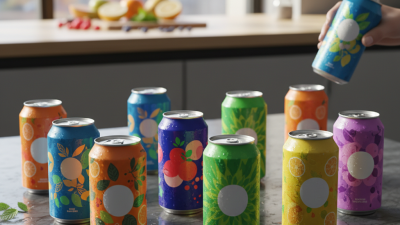
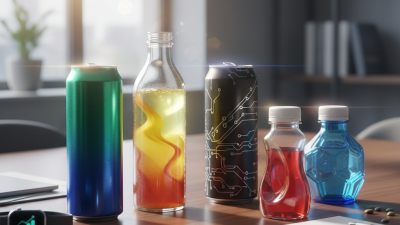
Sourcing a vitamin energy drink for global buyers is more complex than comparing prices and attractive packaging. Buyers must evaluate caffeine levels, vitamin forms, ingredient stability, shelf life, manufacturing capacity, and target-market requirements. A bright can may look ready for export, yet its label may still need careful review before shipment.

Dr. Roland Griffiths, a Johns Hopkins caffeine researcher, stated, “Caffeine is the most widely used behaviorally active drug in the world.” This observation matters when selecting a vitamin energy drink for different consumer groups. Caffeine content, serving size, warning statements, and recommended use should be checked with qualified regulatory professionals. Formulas also require attention. B vitamins, taurine, botanical extracts, sweeteners, and electrolytes can affect taste, claims, and documentation.

Reliable sourcing depends on evidence, not promises. Request current certificates of analysis, allergen declarations, microbiological results, packaging specifications, and traceability records. Confirm whether the supplier can maintain consistent flavor and vitamin levels across production batches. Ask for pilot samples, then compare them after storage in realistic conditions, such as warm warehouses or long sea transit.

The process is rarely perfect. A supplier may offer an excellent formula but weak documentation. Another may provide strong compliance support but limited production capacity. Buyers should record these trade-offs clearly. They should also verify every health-related claim before publication. Responsible sourcing protects consumers, supports long-term partnerships, and gives a vitamin energy drink a stronger chance in unfamiliar global markets.

How to Source Vitamin Energy Drinks for Global Buyers?

Define Vitamin Energy Drinks and Global Buyer Requirements

Vitamin energy drinks are functional beverages containing selected vitamins and an energy-supporting ingredient, often caffeine, taurine, or botanical extracts. They may also include sugar, minerals, electrolytes, or low-calorie sweeteners. Their purpose is not to replace meals or medical treatment. Buyers should request a complete formula before discussing price.

Global buyers usually check ingredient legality, caffeine limits, nutrition declarations, allergen statements, and permitted health claims. Requirements differ between countries. A label accepted in one market may fail review elsewhere. Ask suppliers for certificates of analysis, microbiological results, stability data, and batch traceability records. Confirm the manufacturing site’s food-safety certification and quality-control process. Shelf life matters. So does storage temperature. Damaged cans and faded labels create avoidable losses.

Tips: Build a country-by-country compliance checklist before ordering. Compare caffeine content per serving, not only per can. Request samples from the intended production batch. Check taste after transport, because heat can change flavor and carbonation. Confirm packaging dimensions, pallet details, minimum order quantity, and lead time in writing. Do not rely on attractive claims alone. I have seen sourcing discussions focus on artwork while ignoring import documents. That mistake can delay a shipment for weeks. Buyers should also test whether the drink suits local preferences, since sweetness and vitamin positioning vary widely. Sometimes, a simpler formula is easier to approve and sell.

Identify Target Markets, Regulations, and Product Standards

How to Source Vitamin Energy Drinks for Global Buyers?

Global sourcing should begin with market fit, not a generic energy formula. Grand View Research valued the global energy drinks market at approximately US$86.1 billion in 2023, with continued growth projected through 2030. Mordor Intelligence also forecasts strong expansion, although its estimate differs because market definitions vary. Definitions vary. Screen countries by age demographics, retail channels, caffeine habits, and permitted vitamin claims. A hot climate may favor smaller cans, while gyms may prefer resealable formats.

Regulations can change the product itself. In the European Union, beverages containing more than 150 mg of caffeine per liter generally need a high-caffeine warning and caffeine disclosure under Regulation (EU) No 1169/2011. EFSA’s Scientific Opinion on Caffeine reports that healthy adults can generally consume up to 400 mg daily, but vulnerable groups require stricter consideration. Local authorities may also restrict vitamin claims, sweeteners, serving sizes, or child-directed marketing. Check every label translation carefully. One misplaced decimal can create a costly compliance problem.

Before placing a purchase order, request ingredient specifications, allergen statements, certificates of analysis, and validated shelf-life studies. Test caffeine, vitamin potency, microbiology, heavy metals, and packaging migration through an independent laboratory. Suppliers should demonstrate HACCP or ISO 22000-based controls, traceability, and batch recall procedures. A spreadsheet cannot reveal poor warehouse temperatures. Require retained samples from each production lot. No checklist is perfect. Buyers should recheck regulations before shipment, because a formula approved last year may need new evidence today.

Evaluate Suppliers, Formulas, Certifications, and Production Capacity

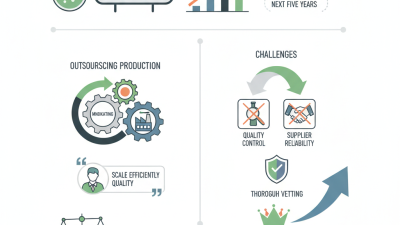
Sourcing vitamin energy drinks for global buyers requires more than comparing prices. A reliable supplier should explain each production step, from ingredient intake to final pallet release. Ask for recent audit records, batch traceability, and named quality contacts. Request samples from three lots, not one polished bottle. Check taste, sediment, seal integrity, and label accuracy after room-temperature storage. Small details matter.

Formula review should cover dosage, serving size, caffeine level, sweeteners, allergens, and stability data. A specification sheet is useful, but independent laboratory reports provide stronger evidence. Confirm that vitamin forms match the target market’s requirements. Certification logos alone are not enough. Verify issuing bodies, certificate scope, expiry dates, and factory coverage. Requirements differ between countries, and translation mistakes can delay customs clearance. I have seen attractive formulas fail because serving sizes were unclear.

Production capacity needs practical testing. Request monthly output, minimum order quantities, lead times, filling-line speed, and current utilization. Visit the facility when possible, or arrange a live video inspection. Look for segregated storage, calibrated dosing equipment, metal detection, and documented sanitation checks. Ask how the supplier handles a rejected batch. The answer reveals operational maturity. Forecasts are often optimistic. Reserve capacity in writing, but keep a backup source until several shipments perform consistently. Payment terms also matter when testing a new market.

How to Source Vitamin Energy Drinks for Global Buyers? — Evaluate Suppliers, Formulas, Certifications, and Production Capacity
Supplier Profile Typical Product Format Formula and Nutrition Criteria Quality and Certification Evidence Production Capacity to Verify Global Export Readiness Key Commercial Risks Evaluation Score
Profile A
Large-Scale RTD Facility
250–500 mL cans Carbonated Ambient shelf-stable Caffeine level stated in mg per serving; taurine and B vitamins declared by quantity; full ingredient and allergen statement; controlled pH and validated thermal process; nutrition panel prepared for each destination market. Current third-party food-safety certification such as FSSC 22000, BRCGS, or SQF; HACCP plan; certificate of analysis for each batch; microbiological, heavy-metal, and caffeine testing; documented traceability and recall procedure. Verify installed filling lines, annual theoretical capacity, actual utilization, minimum production run, line speed, changeover time, and backup utilities. Request the last 12 months of on-time delivery data. Familiarity with export documentation, commercial invoices, packing lists, certificates of origin, pallet specifications, and destination-country labeling. Confirm experience with both ocean and truck transport. High minimum order quantities; formula changes may require lengthy validation; capacity can be constrained during peak seasons; carbonation and can quality must be monitored during long-distance shipment. 88/100
Profile B
Flexible Private-Label Co-Packer
250–350 mL cans Still or lightly carbonated Multiple flavor systems Supports lower-sugar or sugar-free recipes using permitted sweeteners; verifies caffeine source and dosage; checks vitamin stability during shelf life; provides pilot samples and accelerated stability results before commercial launch. Verify a recognized food-safety management system, allergen controls, sanitation records, supplier approval program, pest-control logs, and independent laboratory results. Confirm that nutrition and claims are reviewed for the intended markets. Confirm separate pilot and commercial lines, available production windows, batch-size range, packaging changeover capability, and raw-material storage conditions. Review capacity by month rather than only annual figures. Suitable for market testing when the supplier can provide multilingual labels, export carton specifications, batch coding, shelf-life statements, and documentation for customs and product registration. Smaller scale may produce higher unit costs; dependence on a limited number of flavor or vitamin-premix vendors; production schedules may change quickly when several private-label projects overlap. 84/100
Profile C
Powdered Drink-Mix Manufacturer
Sachets Tubs Ambient dry product Powder format can reduce freight weight and avoid carbonation issues; verify moisture control, water-activity targets, vitamin premix uniformity, dissolution performance, serving size, and permitted caffeine amount. Check HACCP or equivalent preventive controls, allergen segregation, metal detection, foreign-body controls, batch testing, and calibration records. Confirm that packaging protects the product from moisture, oxygen, and light. Assess blending and sachet-filling capacity, powder handling controls, batch homogeneity testing, packaging speeds, and minimum order quantities. Confirm whether the facility can manage hygroscopic ingredients. Generally efficient for international shipping; verify destination-market rules for powdered beverages, import documentation, language requirements, and any restrictions on caffeine or vitamin claims. Caking, oxidation, or uneven ingredient distribution can affect quality; flavor performance depends on consumer water quality and preparation method; sachet packaging may require specialized artwork and tooling. 82/100
Profile D
Functional Beverage Specialist
Non-carbonated bottles Cans Electrolyte blends Can combine vitamins with electrolytes or botanical ingredients; requires evidence for botanical identity, specification, contaminants, caffeine contribution from all sources, and claim substantiation. Confirm compatibility between ingredients and packaging. Review food-safety certification, botanical supplier qualification, identity testing, pesticide and heavy-metal controls, stability data, and written procedures for managing novel or restricted ingredients. Verify liquid blending capacity, hot-fill or aseptic capabilities where relevant, filling formats, water-treatment system, environmental monitoring, and validated cleaning procedures between formulas. Strong option for differentiated products, but each target market should be screened for rules covering botanicals, health claims, maximum caffeine levels, permitted additives, and required warnings. Botanical ingredients may create regulatory delays, variable supply, taste challenges, or interactions with vitamins and preservatives. Claims such as “boosts energy” require careful legal and scientific review. 76/100
Profile E
Regional Beverage Producer
PET bottles Cans Shorter export lanes Usually offers established local formulas; verify sugar content, caffeine declaration, vitamin dosage, preservative system, water quality, and whether the formula can be adapted without affecting taste or shelf life. Confirm the exact scope and validity of food-safety certification, internal laboratory capability, product specifications, sanitation records, and third-party audit results. Do not accept a logo without a valid certificate. Review line availability, maintenance history, production downtime, storage space, finished-goods loading capacity, and ability to reserve capacity for recurring export orders. May be cost-effective for neighboring markets; verify export experience, pallet loading pattern, temperature exposure during transit, local port access, and documentation accuracy. Limited international compliance experience, lower documentation maturity, restricted flavor or packaging flexibility, and greater exposure to seasonal production interruptions. 70/100
Profile F
New or Unverified Supplier
Format not yet confirmed Custom formula claimed Do not approve until the supplier provides a complete specification, ingredient quantities, caffeine calculation, allergen declaration, nutrition information, shelf-life evidence, and representative samples from a controlled pilot batch. Require independently verifiable certificates, audit reports, laboratory results, traceability records, and proof that the certification scope covers the relevant manufacturing site and product category. Require a site audit or qualified third-party inspection covering equipment, hygiene zoning, water treatment, warehousing, calibration, maintenance, batch records, and actual production output. No export approval until the supplier demonstrates accurate documentation, compliant labels, reliable sample-to-batch consistency, and a successful trial shipment to the destination market. Elevated risks of counterfeit certificates, inconsistent formula, unsupported health claims, inadequate traceability, delayed delivery, and non-compliant labeling. 38/100

Compare Pricing, Packaging, Logistics, and Minimum Order Quantities

Sourcing vitamin energy drinks starts with a realistic cost model. Grand View Research valued the global energy drinks market at about USD 86 billion in 2023. Demand is growing, but margins can disappear quickly. Compare ex-works, FOB, and delivered pricing separately. A low factory quote may exclude formulation, testing, cartons, and port charges. For a 250 ml can, request prices at 10,000, 50,000, and 100,000 units. This exposes scale discounts and hidden setup fees.

Packaging changes both price and logistics. Aluminum cans are light and stack efficiently, while glass adds weight and breakage risk. PET may reduce freight costs, but buyers should check recycling requirements in the destination market. The OECD’s Global Plastics Outlook projects plastic waste could nearly triple by 2060 without stronger policies. That makes material selection a commercial issue, not only a design choice. Ask for pallet dimensions, case counts, can specifications, shelf-life evidence, and independent laboratory results. Small details matter.

Logistics needs a buffer. UNCTAD reports that maritime transport carries over 80% of global merchandise trade by volume, so port delays can affect launch schedules. Compare sea freight, rail, and air freight for urgent replenishment. Air freight is usually unsuitable for full-container orders. Minimum order quantities deserve equal attention. A 100,000-unit MOQ may lower unit cost but tie up cash and increase expiry risk. Smaller trial batches cost more. Still, they can reveal weak flavor acceptance, damaged cartons, or inaccurate demand forecasts. I would not promise the cheapest option without testing one shipment.

How to Source Vitamin Energy Drinks for Global Buyers

Indicative private-label planning benchmarks by packaging format

Aluminum cans generally offer competitive unit pricing and shorter production cycles, while PET and glass formats may require higher minimum order quantities or longer logistics preparation. Prices are shown in USD per finished unit, minimum order quantities in thousands of units, and lead times cover production plus standard export preparation. These figures are indicative planning benchmarks rather than supplier quotations and should be confirmed for formula, destination, Incoterms, certifications, and freight conditions.

Verify Samples, Negotiate Contracts, and Manage Import Compliance

Global buyers should treat vitamin energy drinks as regulated food products, not simple beverages. Grand View Research estimates the global energy drinks market could grow at about 8% annually through 2030. That growth attracts many suppliers, but quality can vary sharply. Request production samples from the actual factory. Check flavor, sediment, can pressure, color, and fill volume. Send sealed samples to an independent laboratory. Test caffeine, vitamin levels, sugar, heavy metals, microbiological safety, and shelf stability. A certificate of analysis is useful, but it is not proof by itself.

Use a written contract with measurable specifications. Include formula tolerances, packaging materials, minimum remaining shelf life, batch records, inspection rights, and remedies for rejected goods. Clarify Incoterms, payment stages, delivery dates, and responsibility for damaged cartons. A small pilot order may expose problems earlier. I once saw a supplier pass taste checks while its printed vitamin values needed correction. That mistake was expensive. Do not rely only on email promises.

Import compliance requires country-by-country verification. Check the correct tariff classification, ingredient restrictions, caffeine limits, language rules, nutrition panels, allergen declarations, and permitted health claims. Codex Alimentarius provides internationally recognized food-labeling guidance, while the World Health Organization recommends keeping free sugars below 10% of daily energy intake, with 5% offering additional benefits. Local authorities may apply stricter requirements. Review the label with an importer or qualified regulatory consultant before printing thousands of cans. Reports are helpful, but regulations change. Recheck them.