Choosing among natural energy drinks can feel confusing. Shelves display cans made with tea, coffee, fruit, herbs, coconut water, and plant extracts. The word “natural” sounds reassuring, but it has no universal meaning on every label. Ingredients still deserve careful attention.
This guide examines the leading types and explains how their energy effects differ. Green tea drinks may provide moderate caffeine and familiar antioxidants. Coffee-based options usually deliver stronger stimulation, sometimes with added sugar. Yerba mate and guayusa can offer plant-based caffeine, although sensitivity varies from person to person. Coconut water supports hydration, but it is not always an effective energy source by itself.
Some products include ginger, ginseng, beetroot, or adaptogenic herbs. Evidence differs widely. Marketing claims can move faster than research. A practical review should examine caffeine amounts, serving sizes, sweeteners, electrolyte content, and possible interactions with medication. The smallest label details matter.
Read the ingredients.
Personal experience also matters. One person may feel focused after green tea, while another experiences jitters from the same caffeine level. Sleep quality, meal timing, and hydration can change the result. This article compares popular natural energy drinks through those real-world considerations, not appearance alone. It also recognizes an uncomfortable limitation: “natural” does not automatically mean safer, healthier, or more sustainable. Reliable choices require balanced evidence, transparent labels, and attention to individual needs.
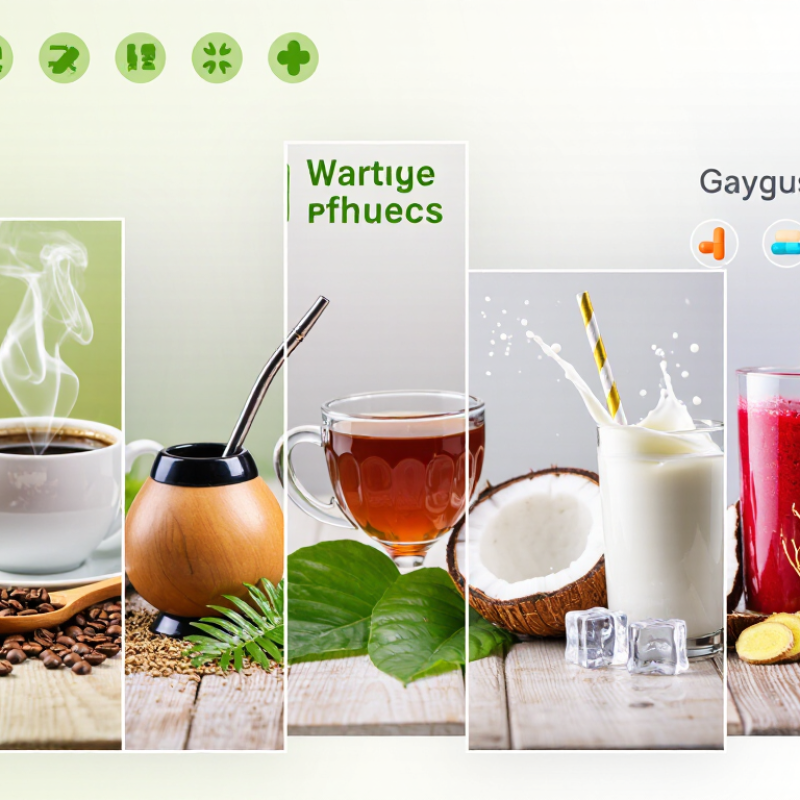
Natural energy drinks are beverages made with recognizable ingredients that may support alertness, hydration, or steady fuel. They usually avoid synthetic stimulants, artificial colors, and heavily refined additives. However, “natural” has no single universal meaning. Read the label carefully.
Tea-based drinks often provide caffeine with a lighter taste. Coffee-based drinks offer stronger stimulation and may include milk or plant-based alternatives.
Fruit and herbal blends can supply carbohydrates, electrolytes, or botanical flavors without relying on high caffeine. Coconut-water drinks focus more on hydration than alertness. Some products combine green tea, fruit juice, minerals, and modest caffeine.
Ingredient origin matters, but dosage matters more. A natural caffeine source can still cause restlessness, headaches, or poor sleep when consumed excessively. Check the caffeine amount per serving, added sugar, serving size, and allergen information. Short ingredient lists are useful, though they do not automatically prove quality. Third-party testing can improve confidence, especially when botanical extracts are included.
Not every “clean” drink works for every person. I once assumed a lightly sweetened drink would feel gentle, but its caffeine was higher than expected. That was a useful reminder. Personal tolerance, sleep, medication, and health conditions can change the experience. Choose products with transparent labels, realistic claims, and ingredients you understand. When uncertainty remains, professional dietary advice is safer than marketing language.

Tea-based drinks offer a gentler alternative to highly concentrated energy formulas. Green tea usually provides a moderate caffeine lift, while black tea often tastes stronger and contains more caffeine. USDA FoodData Central lists about 29 milligrams of caffeine in eight ounces of brewed green tea and about 47 milligrams in brewed black tea. Actual levels change with leaf quantity, water temperature, and steeping time.
Small details matter. A three-minute steep can taste bright and dry. A longer steep may feel heavier and more bitter. Herbal drinks are different. Chamomile, peppermint, and rooibos naturally contain little or no caffeine, so their energy effect comes mainly from hydration and warm sensory stimulation. Some herbal blends add naturally caffeinated leaves, however. Read the ingredient panel carefully.
The Tea Association of the U.S.A.’s 2024 Annual Tea Report estimated that about 160 million Americans drink tea on any given day. That broad habit supports tea’s practical appeal, but popularity is not proof of performance. The European Food Safety Authority considers up to 400 milligrams of caffeine daily safe for most healthy adults, with lower limits recommended during pregnancy. A tea-based drink can fit that range, yet personal sensitivity varies. I have found that drinking one quickly feels different from sipping it beside breakfast. Not always better. Clear caffeine labeling would make these drinks more trustworthy, and some products still leave that detail frustratingly vague.
Fruit and vegetable drinks can deliver natural sugars with useful micronutrients. A chilled glass of orange juice tastes bright and sharp, while a blended spinach, cucumber, and pear drink feels lighter and greener. According to the USDA FoodData Central database, one cup of orange juice contains about 21 grams of naturally occurring sugar. It also supplies vitamin C and potassium. However, it provides far less fiber than a whole orange.
That difference matters. The 2020–2025 Dietary Guidelines for Americans recommend choosing whole fruit for at least half of total fruit intake. They also advise limiting fruit juice to no more than half of daily fruit consumption. Blended drinks can retain more pulp, but straining removes much of the fiber. Drinking slowly with breakfast may feel more satisfying than consuming juice alone. It is not a perfect solution.
Vegetable-based drinks often provide fewer sugars, but their nutrition varies widely. A homemade tomato, carrot, and celery blend may offer carotenoids and potassium, yet added salt can raise sodium levels quickly. The World Health Organization recommends fewer than 2,000 milligrams of sodium daily for adults. Nutrition labels deserve attention, even when the ingredients sound wholesome. A drink can be natural and still be sugar-dense. Personally, I would treat fruit juice as a small serving, then use water-rich vegetables and whole fruit for greater texture and fiber.
Natural sugars and nutrient benefits in unsweetened drinks
Values are approximate amounts per 240 mL serving of 100% unsweetened juice, based on generic USDA FoodData Central entries. Orange juice provides vitamin C, tomato juice is relatively low in calories and provides vitamin C and potassium, carrot juice supplies beta-carotene, and apple juice provides quick-release carbohydrate from naturally occurring sugars.
Coconut water and electrolyte drinks are becoming practical choices for people seeking steady, plant-based hydration. Euromonitor International’s 2024 soft drinks analysis identifies reduced-sugar and functional beverages as important growth areas. Coconut water fits this shift, but “natural” does not automatically mean nutritionally complete. USDA FoodData Central lists roughly 600 milligrams of potassium and 250 milligrams of sodium in one cup of coconut water. Sodium remains the weaker point.
That matters after heavy sweating. The American College of Sports Medicine recommends replacing fluids and electrolytes according to exercise duration, sweat rate, and environmental heat. For sessions lasting over an hour, drinks containing carbohydrates and sodium may support performance better than plain water. A lightly sweetened electrolyte drink can also provide quicker fuel, while coconut water usually supplies modest natural sugars. Read the label carefully. Some products contain added sugar approaching that of ordinary soft drinks.
My practical test is simple: check thirst, urine color, workout length, and the bottle’s sodium content. A cold coconut water beside a towel feels refreshing after a hot walk. It may not replace a complete recovery drink after intense training. I have underestimated sodium before. That small mistake matters during long, humid sessions. The International Society of Sports Nutrition also notes that hydration strategies should be individualized, because sweat losses vary substantially between people.
Natural energy drinks can draw their energy from familiar plants rather than artificial stimulants. Coffee provides caffeine and a deep roasted flavor. It can support alertness, but the effect varies by serving size and personal tolerance. Cacao contributes a softer lift, earthy bitterness, and small amounts of naturally occurring caffeine. It also makes a drink taste fuller without relying heavily on added sugar.
Adaptogens add a different layer. Ingredients such as ashwagandha, rhodiola, or holy basil are traditionally used in herbal practices. However, modern evidence remains uneven, and “natural” does not automatically mean risk-free. A well-designed drink should clearly state the extract amount, caffeine content, and testing standards. Vague blends make informed choices difficult. They sound impressive, but clarity matters more.
In practical tasting, balance is easy to miss. Coffee can overpower cacao, while strong herbal notes may feel dry or medicinal. A smoother formula might pair cold-brew coffee with cacao, oat ingredients, and a modest adaptogen dose. Keep it simple. Check the label for allergens, sweeteners, and stimulant levels. People who are pregnant, sensitive to caffeine, or taking medication should seek professional advice. I still question whether every adaptogen belongs in a daily drink, especially when the supporting research is limited.
| Drink Type | Typical Plant Base | Approximate Caffeine per Serving | Key Natural Compounds | Common Energy Profile | Important Considerations |
|---|---|---|---|---|---|
| Coffee-Based Drinks | Brewed coffee, cold brew, or coffee concentrate | About 80–100 mg per 8 fl oz (240 ml); preparation can change the amount substantially | Caffeine, chlorogenic acids, and other polyphenols | Fast, noticeable stimulation and increased alertness | May cause jitters, sleep disruption, or stomach discomfort in sensitive individuals |
| Cacao-Based Drinks | Unsweetened cacao powder blended with water or plant-based milk | Usually about 12–25 mg per tablespoon (5–7 g), depending on the cacao powder | Theobromine, small amounts of caffeine, flavanols, and minerals | Milder stimulation that may feel smoother and more gradual than coffee | Added sugar can substantially change the nutritional profile; cacao naturally tastes bitter |
| Green Tea-Based Drinks | Green tea infusion or powdered green tea | About 25–45 mg per 8 fl oz (240 ml), with wide variation by leaf and brewing method | Caffeine, L-theanine, and catechins such as EGCG | Moderate alertness; L-theanine is associated with a calm, focused feeling | Caffeine content varies widely; concentrated extracts may provide much higher amounts |
| Yerba Mate Drinks | Infusion made from dried leaves of Ilex paraguariensis | Often about 70–100 mg per 8 fl oz (240 ml), depending on preparation | Caffeine, chlorogenic acids, and saponins | Pronounced stimulation with a tea-like flavor | Total caffeine should be counted across all daily sources |
| Adaptogen-Enhanced Drinks | Water, tea, coffee, cacao, or botanical infusions combined with herbs or mushrooms | 0 mg when caffeine-free; higher when combined with coffee, tea, or yerba mate | Examples include withanolides from ashwagandha, eleutherosides from eleuthero, and beta-glucans from some mushrooms | Typically positioned for stress support, resilience, or balanced focus rather than an immediate stimulant effect | Effects and evidence differ by ingredient; serving size, extract ratio, and standardization matter |
| Coconut Water Energy Drinks | Coconut water, sometimes combined with fruit or tea | 0 mg naturally; caffeinated versions depend on added tea, coffee, or botanical ingredients | Water, naturally occurring carbohydrates, and electrolytes such as potassium | Hydration-oriented support rather than direct nervous-system stimulation | Not a significant source of protein or sodium; added sweeteners may increase calories |
| Fruit and Botanical Drinks | Fruit, ginger, beetroot, citrus, herbs, or sparkling water | Usually 0 mg unless tea, coffee, guarana, or another caffeine source is added | Natural carbohydrates, polyphenols, organic acids, and plant pigments | Refreshing energy from fluids and carbohydrates, without a stimulant effect | Juice-based drinks may contain considerable naturally occurring or added sugar |
Reference note: Caffeine values are approximate and vary according to plant variety, serving size, extraction method, and product formulation. For most healthy adults, the U.S. Food and Drug Administration cites up to 400 mg of caffeine per day as an amount not generally associated with dangerous negative effects; individual sensitivity varies.
TO GET STARTED OR FOR A FREE QUOTE CALL 888.454.3466