What is the Best No Sugar Energy Drink for Your Needs?
In today’s health-conscious world, finding the right no sugar energy drinks can be a challenge. With so many options available, it's vital to identify which products suit your lifestyle and energy needs. These drinks provide an excellent alternative for those who want to boost their energy without added sugars. The increasing demand for healthier choices has led to innovations in this space.
Exploring various brands and their ingredients helps to navigate the complexities of no sugar energy drinks. Some are packed with vitamins and natural caffeine, while others rely on artificial sweeteners. It's important to be aware of the effects these ingredients may have on your health. You may wonder if natural options are better than synthetic ones.
Understanding your personal preferences will guide your choices. Perhaps you need something to enhance your workout. Alternatively, you might want a midday pick-me-up. As you try different products, reflect on their impact on your energy levels and overall well-being. What works for others may not work for you. Making informed decisions will help you find the best no sugar energy drink for your needs.
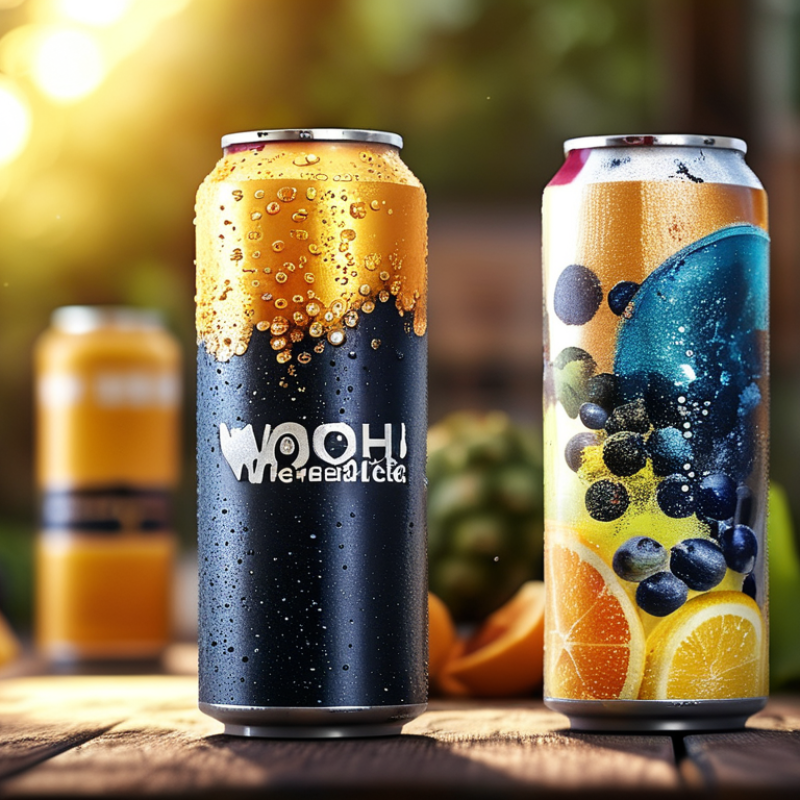
What Constitutes a No Sugar Energy Drink: Key Characteristics
When exploring no sugar energy drinks, it’s crucial to understand their key characteristics. These beverages typically utilize natural or artificial sweeteners to provide flavor without adding calories. Data shows that nearly 25% of consumers prefer drinks that reduce sugar intake. This shift reflects growing health consciousness among consumers.
No sugar energy drinks often include essential vitamins, like B vitamins, to support energy metabolism. Ingredients such as caffeine, sourced from natural sources like green tea, are prevalent. Studies indicate that caffeine can enhance endurance and improve focus, making it a popular choice among athletes. However, it’s essential to balance consumption as excessive caffeine can lead to negative side effects, including jitters or anxiety.
In addition to caffeine, many no sugar energy drinks incorporate electrolytes and amino acids. These elements help with hydration and muscle recovery. However, not all consumers may benefit equally from these drinks. Individual reactions can vary widely. Personal preferences and tolerance levels play significant roles in finding the right product that meets specific energy needs.
Comparative Analysis of Popular No Sugar Energy Drinks in 2023
In 2023, the no sugar energy drink market is booming. Many consumers seek healthy options without sacrificing energy. Analyzing popular choices reveals various formulations, ingredients, and benefits tailored for different lifestyles.
Some drinks leverage natural ingredients like green tea extract, while others rely on synthetic compounds. This creates a spectrum of effectiveness in boosting energy. Flavoring and texture also vary significantly, which may influence overall satisfaction. Many users report a preference for lighter, more refreshing beverages, while others enjoy thicker, more indulgent textures.
However, not every option delivers on its promise. Some drinks, while zero sugar, might have high caffeine levels. This can lead to jitters or crashes later in the day. It’s crucial to consider individual tolerance and lifestyle when selecting a product. Personal feedback and experiences play a significant role in determining the best fit for energy needs.
Nutritional Profiles: Caffeine Content and Other Key Ingredients
When selecting a no sugar energy drink, the nutritional profile is crucial. Caffeine content varies significantly among drinks. Some offer around 50 mg per serving, while others pack over 300 mg. It’s essential to know how much caffeine you can handle. Finding the right energy level is key.
Other ingredients matter too. Many drinks contain amino acids, vitamins, and herbal extracts. Look for options with B vitamins for energy metabolism. Adaptogens like ashwagandha can help reduce fatigue. However, not every ingredient suits everyone. You might feel jittery or anxious with high caffeine content.
Consider your activity level. A high-caffeine drink may be ideal before a workout. If you're more sedentary, a moderate option might be better. Be aware of your body’s response. Some people might experience a crash after consuming caffeine, leading to fatigue later. Understanding your needs is crucial for finding the best fit.
What is the Best No Sugar Energy Drink for Your Needs?
This chart compares the caffeine content and other key ingredients (in mg) of various no sugar energy drinks. Choosing the right energy drink depends on your personal needs for caffeine and other supporting ingredients for energy and focus.
Health Benefits and Risks of No Sugar Energy Drinks for Athletes
No sugar energy drinks have gained popularity, especially among athletes. These beverages offer a boost without the spike in blood sugar. They can enhance focus, performance, and endurance. However, the benefits come with potential risks.
While these drinks provide quick energy, excessive consumption can lead to downsides. Ingredients like caffeine can cause jitters or anxiety. Some athletes may rely too heavily on these drinks, potentially neglecting proper nutrition and hydration. It is crucial to balance energy drinks with whole foods and adequate water intake.
Athletes must also be cautious about their individual response to these beverages. Some experience digestive issues or a crash after the initial boost. Experimentation is vital to find what works best. Ultimately, understanding personal limits is crucial for optimizing performance while minimizing risks.
Consumer Preferences: Trends in No Sugar Energy Drink Consumption
The trend of no sugar energy drinks has gained incredible traction in recent years. According to a report from Global Market Insights, the no sugar segment is projected to grow at a compound annual growth rate (CAGR) of 6.3% through 2027. This shift reflects a broader consumer desire for healthier alternatives in their diets. Many people are becoming increasingly aware of the adverse effects of sugar, leading them to seek energy sources without added calories.
Consumer preferences indicate that taste remains a top priority. A survey conducted by Beverage Marketing Corporation revealed that 55% of respondents indicated flavor as the most crucial factor when selecting an energy drink. However, there is an interesting paradox. While health consciousness drives the demand for no sugar labels, some consumers question the use of artificial sweeteners. This duality creates a complex landscape. People want energy but are wary of potential side effects from substitutes.
Interestingly, younger demographics are more open to trying these drinks. Data from Mintel demonstrates that 67% of Generation Z consumers prefer beverages that contain no sugar. Yet, they also desire authenticity and transparency from brands. Consumers want to feel confident about what they consume. Balancing taste, health, and ingredient transparency is a challenge that the energy drink market must navigate moving forward.