How to Choose the Best Power Drinks for Your Fitness Goals?
Finding the right power drinks can significantly impact your fitness journey. With so many options available, it's easy to feel overwhelmed. Power drinks vary in ingredients, flavors, and benefits. Identifying the best ones for your specific goals is crucial.
Consider your fitness objectives. Are you aiming to build muscle, enhance endurance, or maintain hydration? Each goal calls for different nutritional needs. Some power drinks are rich in protein, while others provide electrolytes. You might prefer a drink with natural sugars for quick energy. But be cautious—some options are loaded with artificial ingredients. These can lead to performance dips rather than boosts.
Testing different power drinks is essential. What works for one person may not suit another. You might find a drink you love, yet it could upset your stomach. Reflect on how each drink affects your performance. Keep track of your energy levels and recovery times. The ideal power drink should support your fitness goals, enhancing your workouts without unnecessary drawbacks.
Understanding Your Fitness Goals and Nutritional Needs
Understanding your fitness goals is crucial for selecting the right power drinks. Different activities demand different nutritional needs. For instance, endurance exercises may benefit from drinks high in electrolytes. A study published in the Journal of Sports Sciences found that athletes can improve their performance by up to 12% with adequate hydration.
Your individual needs can vary significantly. If you're focusing on strength training, a drink with protein and carbohydrates could be more beneficial. The American College of Sports Medicine recommends consuming around 1.2 to 2.0 grams of protein per kilogram of body weight daily for muscle repair. However, not everyone tracks their intake meticulously, leading to misguided choices.
Additionally, taste plays a vital role in adherence. Many find that bland or overly sweet drinks deter them from hydration. This emotional and psychological factor can lead to inconsistencies in your routine. Aim for flavors you enjoy, but don’t sacrifice nutritional value for taste. It’s a delicate balance that many overlook.
Types of Power Drinks: Energy, Recovery, and Hydration
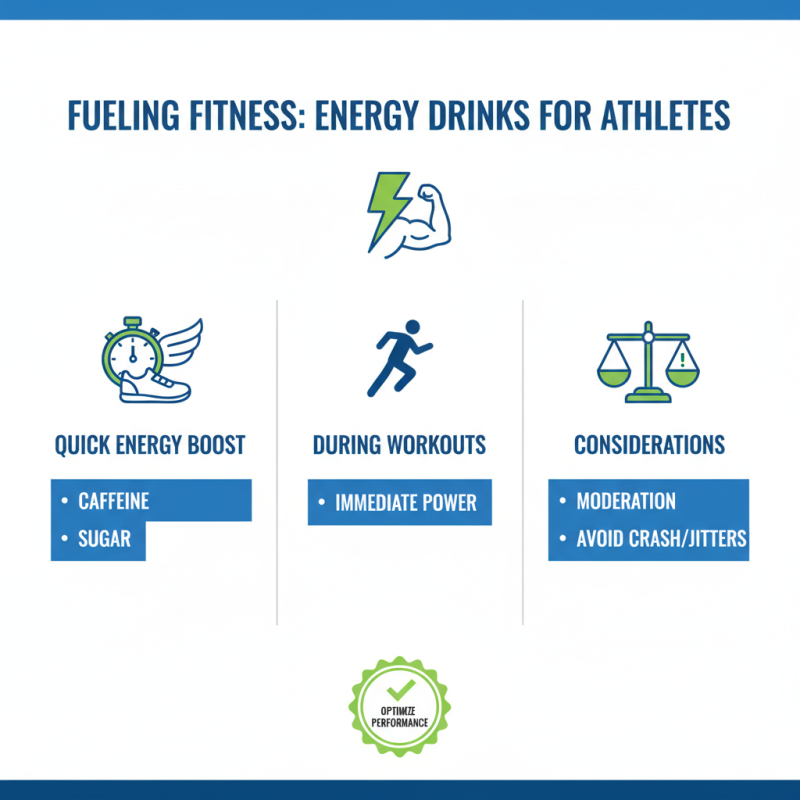
Power drinks come in various types, tailored to different fitness goals. Energy drinks are popular among athletes seeking an immediate boost. These drinks often contain caffeine and sugar. They can provide quick energy during workouts. However, too much sugar can lead to crashes and jitters. That's something to think about. Moderation is key when choosing these drinks.
Recovery drinks serve a different purpose. They are designed to replenish lost electrolytes and promote muscle repair. After an intense workout, you might find these drinks helpful. Many of them contain protein and carbohydrates. This combination aids recovery. But, be cautious; some recovery drinks may have high calories or added sugars.
Hydration drinks focus solely on restoring fluid balance. They often contain electrolytes like sodium and potassium. Staying hydrated during workouts is essential for optimal performance. However, if you rely solely on these drinks, you might miss out on whole foods that offer hydration too. Reflect on what your body truly needs. Each type of drink has its pros and cons. Understanding those can lead to better choices for your overall fitness journey.
Key Ingredients to Look for in Power Drinks
When choosing power drinks for fitness, it’s vital to know what key ingredients they contain. Research highlights that drinks with electrolytes are crucial for hydration. Electrolytes like sodium and potassium help maintain fluid balance, especially during intense workouts. A study by the American College of Sports Medicine found that electrolyte solutions can improve endurance by 45%.
Protein content is another important factor. Protein helps with muscle recovery and growth. Ideally, look for drinks with at least 15 grams of protein per serving. Some reports show that post-workout protein consumption can increase muscle synthesis by 25%. However, too much protein can burden your kidneys. Pay attention to the protein-to-carbohydrate ratio in your chosen drink.
Tips: Always check labels. Many drinks have hidden sugars. Aim for less than 10 grams of sugar per serving. Experiment with different ingredients to see how your body responds. Not all power drinks will work for you. Your personal needs vary based on activity and body type. Choose wisely.
Reading Labels: Sugar, Caffeine, and Supplements
When choosing power drinks, reading labels is crucial. Sugar content is often hidden. Many beverages claim to be healthy but contain high sugar levels. According to the American Heart Association, women should not exceed 25 grams of sugar per day. Men should limit themselves to 37.5 grams. Consuming too much sugar can affect energy levels negatively.
Caffeine is another vital ingredient to examine. Moderate caffeine intake can enhance performance. Research indicates it can improve endurance by about 12%. However, excessive caffeine can lead to jitters and anxiety. Some drinks contain stimulants alongside caffeine, which may be harmful.
Supplements are common in fitness drinks, but not all are necessary. It’s important to analyze whether these additives truly benefit your fitness goals. Many people rely on products without understanding their ingredients. Consulting a healthcare professional could clarify which supplements really matter. It's essential to make informed choices to meet desired goals effectively.
Power Drink Comparison: Sugar, Caffeine, and Supplement Content
This chart compares five different power drinks based on their sugar, caffeine, and supplement contents. Each category is represented in grams or milligrams, allowing for an easy comparison of nutritional values that can affect fitness goals.