How to Create Your Own Energy Drink at Home?
Creating your own energy drink at home has gained popularity in recent years. A report by Grand View Research indicates that the global energy drink market was valued at $57 billion in 2021 and is expected to grow rapidly. This trend reflects a growing consumer interest in personalized nutrition and natural ingredients. Experts like Dr. Amy Strong, a nutrition scientist, state, "Crafting your own energy drink allows for tailored nutrition that suits individual needs."
Many are skeptical about store-bought energy drinks. They often contain excessive sugars and artificial additives. By choosing to create your own energy drink, you can control the ingredients and enhance nutrition. However, it requires careful thought. Understanding the balance between natural sugars, caffeine sources, and hydration is crucial.
Ultimately, while making an energy drink at home seems simple, it’s essential to research. Each ingredient can impact your performance. So, reflection on what works best for your body is necessary. The process holds promise for those seeking healthier, more customized energy solutions.
Ingredients Needed for Homemade Energy Drinks
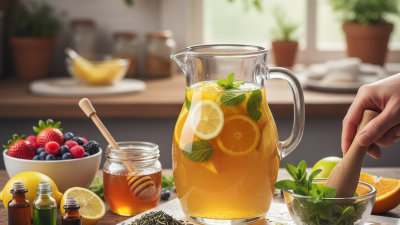
Creating a homemade energy drink can be both fun and rewarding. The right ingredients are essential for a refreshing and energizing beverage. Start with a base of water or coconut water. These provide hydration and electrolytes. Adding a citrus juice, like orange or lemon, gives a refreshing flavor and boosts vitamin C content.
Next, consider natural sweeteners. Honey or agave syrup can enhance taste without artificial additives. For an energy boost, include green tea or matcha powder. These contain caffeine and antioxidants. If you want additional nutrients, add a banana or some berries. They offer natural sugars, vitamins, and minerals as well.
Experimenting with flavors can lead to unique combinations. Try adding herbs, like mint, for an aromatic twist. However, don’t be afraid to adjust proportions. A less sweet drink might be more to your liking, while others may prefer a stronger or fruitier taste. Reflect on what flavors work best for you, as taste is subjective and personal.
Choosing the Right Base for Your Energy Drink
Creating your own energy drink can be a fun and rewarding project. The first step is choosing the right base. This is crucial as it sets the tone for flavor and health benefits. Water is the most common choice, but you can also consider coconut water or herbal teas. Coconut water offers natural electrolytes, while herbal teas can provide calming effects.
It's essential to consider your personal needs when selecting a base. Are you sensitive to caffeine? If so, opting for a non-caffeinated herbal tea might be wiser. Each base alters the drink's final profile. Herbal teas can create unique flavors, but they may not always boost energy. Experimentation can lead to happy accidents or frustrating failures.
It’s also important to reflect on health aspects. Some bases may be high in sugars or calories, counteracting your health goals. Always read nutrition labels and consider homemade alternatives. Balancing taste and health can be challenging, but it’s worth the effort. This is part of the learning process, and you might find a surprising favorite along the way.
Natural Sweeteners for Enhanced Flavor and Energy
Creating your own energy drink at home can be a rewarding experience. One key aspect is choosing the right natural sweeteners.
Honey is a popular option. It's not just sweet but also offers a quick energy boost. Maple syrup can be another excellent choice. Its distinct flavor adds depth, making your drink more enjoyable.
Consider using coconut sugar as well. It has a lower glycemic index compared to regular sugar, providing a steadier energy release. When adding sweeteners, balance is essential. Too much can overpower other ingredients. Sometimes, the drink might taste too sweet or lack depth.
Experimenting will help you find the right blend.
Using fruit purees can elevate your energy drink. They provide not only sweetness but also essential vitamins.
Berries, bananas, or even mangoes can enhance flavor and nutritional value. However, blending too many flavors can complicate the taste. Simplicity often leads to better results. Every creation offers room for improvement.
When crafting your drink, remember to taste and adjust. It’s a beautiful journey of trial and error.
Nutritional Additives for Boosting Energy Levels
When creating your own energy drink, understanding the right nutritional additives is crucial. Certain ingredients can effectively boost energy levels. For example, adding green tea extract provides a gentle caffeine boost without the jitters. It also contains antioxidants that benefit overall health.
Another popular additive is B vitamins. These vitamins are essential for energy metabolism. Incorporating them into your drink can enhance your stamina throughout the day. Natural sweeteners like honey can be included for extra energy and flavor. They provide quick energy, but be mindful of the quantity you use. Too much sweetness can lead to a sugar crash later on.
Protein powders can also be a beneficial addition. They help with muscle recovery and keep you feeling full longer. However, the choice of protein matters. Some people may find certain types hard to digest. Reflecting on personal tolerance levels is important when selecting ingredients. Each person's body reacts differently to various additives, so experimenting may be needed to find the perfect blend for your energy drink.
How to Create Your Own Energy Drink at Home? - Nutritional Additives for Boosting Energy Levels
| Ingredient |
Benefits |
Recommended Amount |
| Coconut Water |
Rich in electrolytes and hydrates the body. |
1 cup (240 ml) |
| Honey |
Natural sweetener providing quick energy and antioxidants. |
1-2 tablespoons |
| Lemon Juice |
Boosts vitamin C and aids digestion. |
Juice of 1 lemon |
| Ginger |
Boosts metabolism and reduces fatigue. |
1 teaspoon, grated |
| Green Tea |
Contains caffeine for energy and antioxidants. |
1 cup (240 ml) |
| Chia Seeds |
Provides fiber, protein, and omega-3 fatty acids. |
1 tablespoon |
Steps to Mix and Store Your Homemade Energy Drink
Creating your own energy drink at home can be both enjoyable and beneficial. To start, gather essential ingredients like water, natural sweeteners, and energizing components such as caffeine, B vitamins, or electrolyte-rich salts. According to the International Society of Sports Nutrition, a good balance of carbohydrates and electrolytes helps improve hydration and energy levels during physical activities. Keep your mixture simple yet effective.
Next, combine the ingredients thoughtfully. A typical energy drink recipe might include two cups of water, a tablespoon of honey, and a pinch of sea salt. For added energy, consider mixing in green tea, which contains about 35 mg of caffeine per 8-ounce serving. Remember, personal experimentation is key. You may find that your drink needs more sweetness or less caffeine to suit your taste.
After mixing, store your homemade energy drink in a clean, airtight container in the refrigerator. It is best consumed within three to five days for optimal freshness. However, consider the storage aspect carefully. If your drink separates or changes color, it may not be safe to consume. Always trust your senses—look for off smells or tastes as indicators of spoilage. Creating your energy drink is a learning experience, and refining your recipe takes time.
Homemade Energy Drink Ingredients Comparison