How to Create Your Own Energy Drink at Home?
In today's fast-paced world, many seek ways to boost energy naturally. One exciting approach is to create your own energy drink at home. This process allows for customization, ensuring you get exactly what your body needs. It can be fun, yet it requires thought and experimentation.
Choosing the right ingredients is crucial. Fresh fruits, natural sweeteners, and even herbal elements can enhance flavor and energy. However, be mindful of your ratios. Too much sugar can lead to a crash. Reflect on what works for you. It might take a few tries to achieve the perfect balance.
Creating your own energy drink not only saves money but also offers a healthier alternative to commercial options. Experimenting in the kitchen can be messy and frustrating. Not every mix will work perfectly on the first try. But, each attempt teaches valuable lessons. Ultimately, the journey of discovering what energizes you is rewarding and can lead to a drink that suits your unique lifestyle.
Understanding the Basics of Energy Drinks and Their Ingredients
Creating your own energy drink at home can be fun and rewarding. Understanding the ingredients is vital for crafting your ideal blend. Common components include caffeine, sugars, vitamins, and natural flavors. Caffeine can boost your energy levels while sugar provides immediate fuel. However, the amount of sugar can be tricky. Too much can lead to a sugar crash later.
Natural ingredients, like fruit juices or herbal extracts, can enhance flavor and provide nutrients. For instance, citrus juices offer vitamin C and a refreshing taste. Consider using honey as a sweetener; it’s healthier than refined sugar but still needs moderation. You might find it difficult to get the balance right initially. Perhaps the taste will be too strong or too weak. Don’t be discouraged; adjustments can lead to great results.
Experimentation is key in this process. Try different combinations and find what works for you. The journey of making your energy drink is personal. Document your trials and keep refining your recipe. Over time, you will create something that not only fuels your body but also reflects your tastes and preferences. Enjoy the process, even when it feels frustrating.
Choosing the Right Natural Ingredients for Your Energy Drink
Creating your own energy drink at home opens up endless possibilities. Choosing the right natural ingredients is crucial for a healthier alternative. Natural ingredients can boost energy levels effectively. Research shows that natural caffeine sources, like green tea, enhance alertness without causing jitters. They contain antioxidants, which are beneficial for overall health.
Fruits and vegetables are invaluable in this process. Incorporating ingredients such as beet juice can improve endurance. A study from the Journal of Applied Physiology highlights that beet juice could enhance performance by 10%. Citrus fruits add flavor and vitamin C, promoting recovery after workouts. Yet, balancing flavors can be challenging. Too much citrus can overpower the drink.
Herbs like ginger and guarana can provide additional benefits. However, these should be used cautiously. Not everyone may enjoy the taste. Personal preferences vary widely; experimentation is key. Hydration is also important. Consider coconut water as a base. It can replenish electrolytes effectively. Ultimately, crafting your energy drink requires thought. It should not just be a simple mix.
Natural Ingredients for Homemade Energy Drinks
Step-by-Step Guide to Mixing Your Own Energy Drink at Home
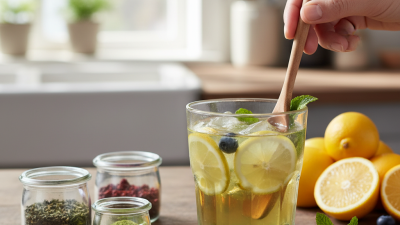
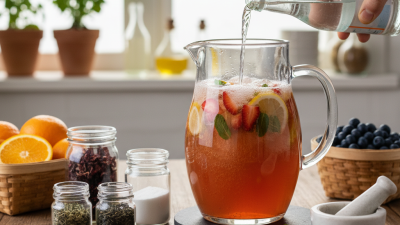
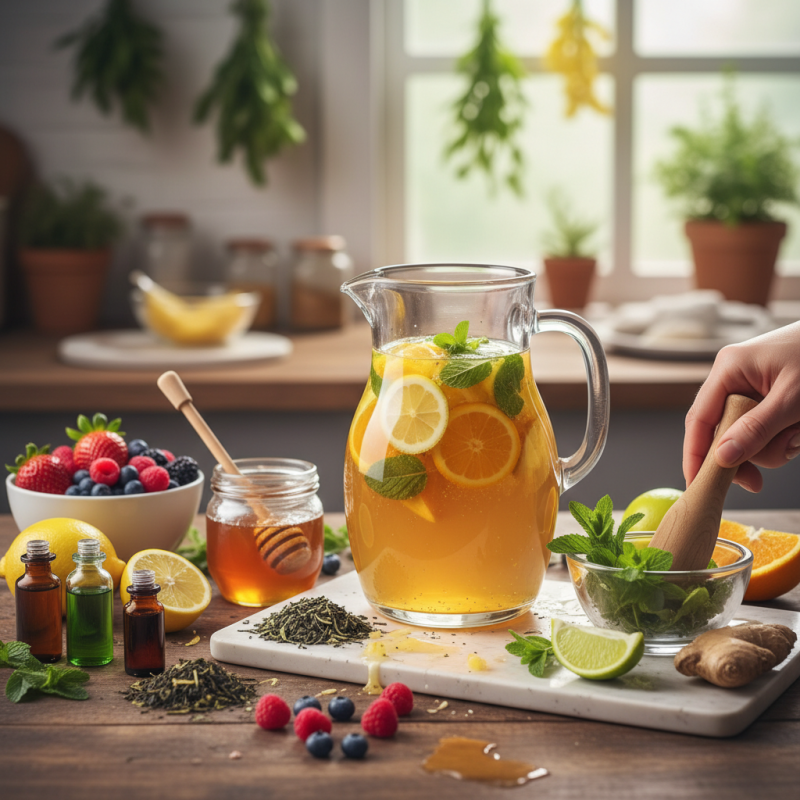
Creating your own energy drink at home can be fun and rewarding. Start with a base liquid. Water or coconut water can be great choices. They hydrate effectively and provide essential minerals. Next, decide on flavor. Fresh fruits like berries or citrus add natural sweetness and zest.
To enhance energy, consider natural stimulants. Ingredients like green tea extract or guarana can give a lift. Be cautious with quantities; a little can go a long way. Sweeteners, if desired, can come from honey or agave syrup. Adjust gradually; taste is essential.
Remember to experiment. You may mix too much or miss the balance at first. It’s part of the process. Don't hesitate to tweak ratios. Your preferences will shape your drink. Document your trials for future reference. Enjoy the journey of crafting your perfect energy boost!
Flavoring Options: Enhancing Your Homemade Energy Drink
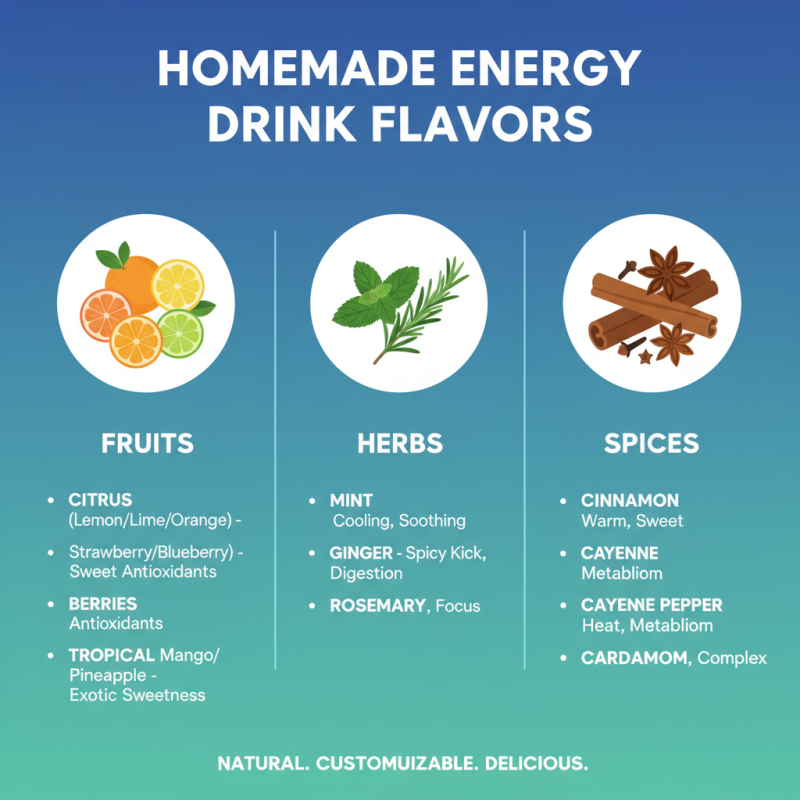
Creating your own energy drink at home can be fun and rewarding. Flavoring your drink is key to making it enjoyable. You can choose from various options to enhance the taste. Fruits, herbs, and spices can add layers of flavor. For example, citrus fruits provide a refreshing kick. Fresh mint can offer a cool aftertaste.
Consider combining flavors for a unique blend. For instance, try mixing pineapple with ginger. This combination could bring a tropical vibe while giving an extra zing. Sweeteners like honey or agave can be added. Just be cautious; don't overdo it. Balance is essential.
When preparing your drink, ensure you taste as you mix. This helps you understand which flavors work best together. If something feels off, reflect on the balance. You may want a more pronounced citrus flavor or a sweeter finish. The goal is to create a drink you enjoy. Experimentation is part of the process. Every batch can lead to a little discovery. Embrace the imperfections, learn from them, and refine your recipe over time.
Storage and Usage Tips for Your DIY Energy Drink
Creating your own energy drink at home can be fun. However, proper storage and usage can make a big difference. Start by using clean, airtight containers. Glass bottles are a good choice. They help keep your drink fresh. Make sure they are dark-colored to protect against sunlight. Sunlight can degrade ingredients over time.
When it comes to usage, don't overdo it. Homemade energy drinks can be potent. A small serving might be enough. Pay attention to how your body responds. If you feel jittery, reduce the amount. It’s easy to experiment with flavors. Consider adding herbs or spices. Just remember that some flavours may clash. Taste testing is essential.
Store your drink in a cool, dark place. It will last longer that way. Monitor the drink for any changes in smell or color. If anything seems off, it’s better to discard it. Mistakes can happen when mixing ingredients. Adjust recipes as needed. Keep track of what works and what doesn't. Each batch is a chance to learn.